
Bio-based coatings
News Application Areas
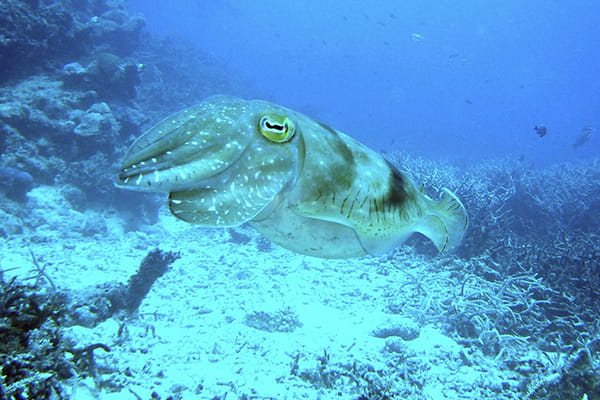
New kind of bio-based antifouling coating
Researchers describe the fabrication of an antifouling coating based on chitosan-melanin hybrid nanoparticles as sustainable and antimicrobial surface.
News Production & Lab
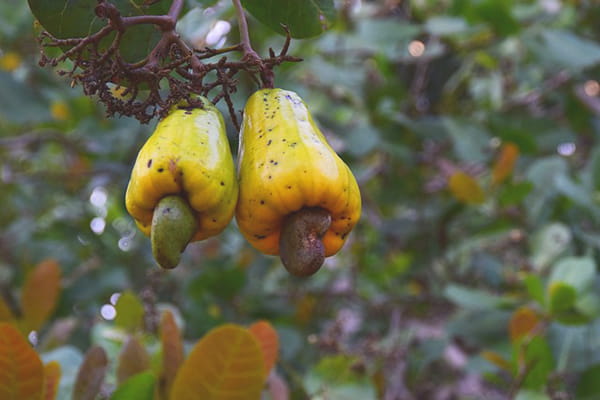
Cardanol based polyamine coatings for anti-corrosive applications
Cardanol was successfully converted to polyamine resins. The fabricated coatings were hydrophobic and depicted excellent corrosion resistance.

News Coatings Technologies
Casein as sustainable green flame retardant
Researchers have portrayed waterborne hybrid polyurethane coatings containing Casein as sustainable flame retardant through different synthesis approaches.
News Production & Lab
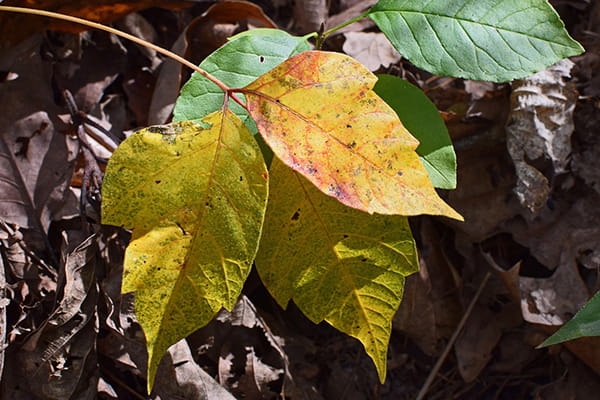
Urushiol as excellent raw material for self-healing coatings
A recently conducted work suggests the fabrication of mechanically robust urushiol-based polymer coatings with excellent self-healing property and hydrophobicity.
News Production & Lab
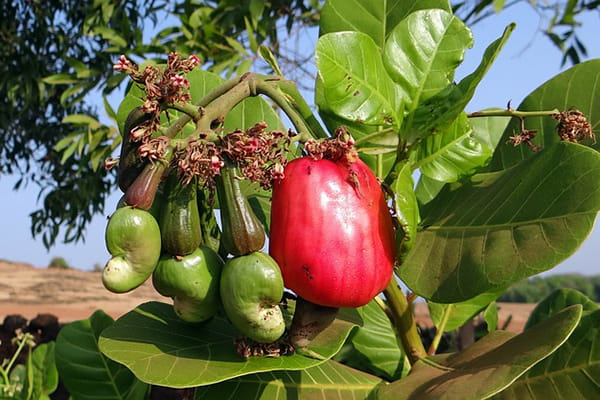
Cardanol-based polymers for surface coatings
A new study presents bio-based coating resins derived from cardanol using carbocationic polymerisation and their evaluation as one-component alkyd-type coatings.
News Production & Lab
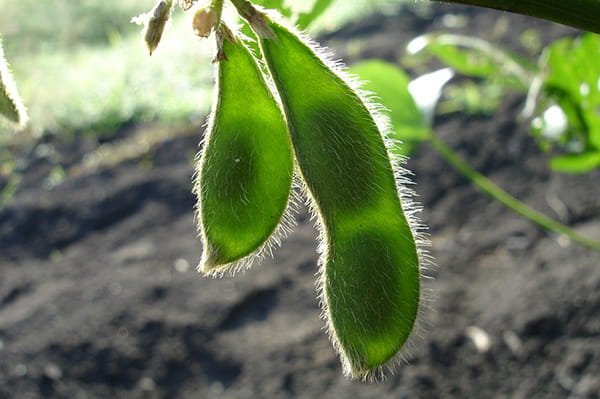
Soybean protein isolate instead of petrochemicals
During a recently conducted study, researchers have achieved highly efficient self-initiated UV curing of water-based coatings. They used soybean protein isolate as co-initiator instead of petrochemicals....

News Application Areas
Bio-polyurethane synthesised by renewable Jatropha oil
Researchers have presented a novel biomass polyurethane-based composite coating with superior radiative cooling, anti-corrosion and recyclability for surface protection.
News Production & Lab
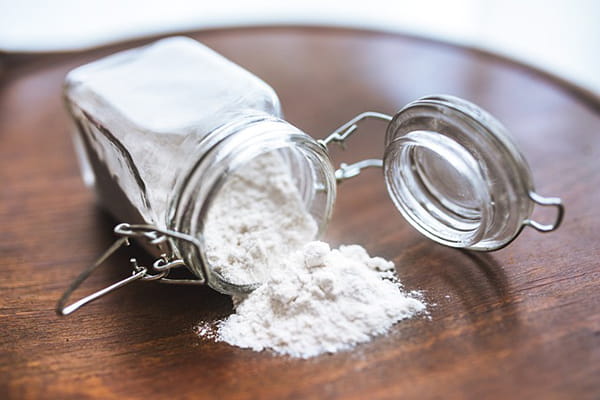
Fabrication of superhydrophobic cellulose powder
In a new work, researchers have proposed a facile one-step solvent-free method to prepare superhydrophobic and universal cellulose powder.
News Application Areas
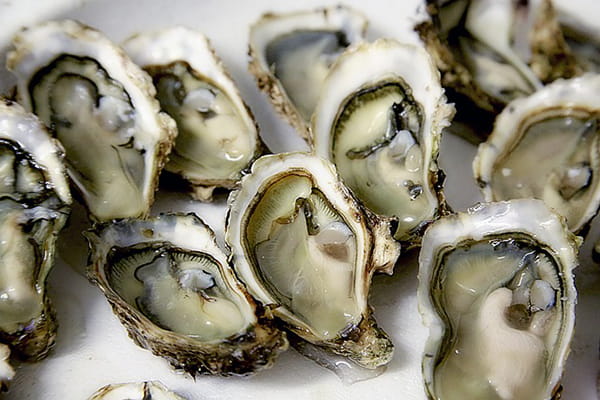
Enhancing fire safety with oyster shell powder
Researchers have studied the effect of functionalised oyster shell powder with ammonium polyphosphate on the fire safety performance of epoxy resin.

News Application Areas
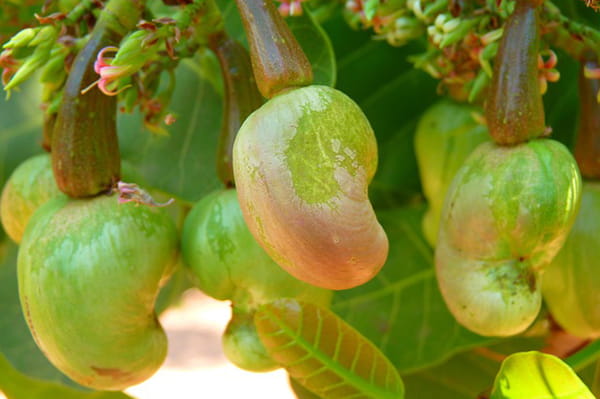
Tapioca-derived carbon dots for anti-counterfeiting applications
Scientists have formulated an eco-friendly security ink using tapioca-derived carbon dots for anti-counterfeiting applications in flexography printing.
News Coatings Technologies
Novel route to make greener alkyd coatings
A new study describes the valorisation of waste products from the food industry that can decrease the petro-based part in alkyd resins.
News Application Areas
Hybrid pattern surfaces for improved fog harvesting efficiency
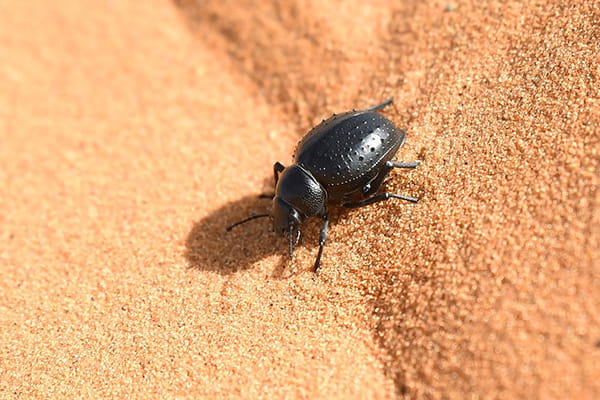
A recently conducted study focuses on the design and optimisation of hybrid superhydrophobic–hydrophilic pattern surfaces for an improved fog harvesting efficiency.

News Production & Lab
Rice husk ash biosilica toughened epoxy coating
A new study focuses on the thermal, mechanical and barrier properties of rice husk ash biosilica toughened epoxy biocomposite coating for structural application.

News Application Areas
Protective sol–gel films modified with tannin extracts
In a present work, tannins extracted from tamarind shells using water and ethyl acetate were introduced into fabricated sol–gel containing 3-glycidoxypropyltrimethoxysilane (GPTMS) and tetraethoxysilane...