
Bio-based coatings
News Coatings Technologies
Visible-light self-healing bio-based vitrimers enable recycling
Researchers have developed a new class of vanillin-based vitrimers that combine imine exchange with visible-light-responsive diselenide bonds. The dual dynamic covalent network enables rapid self-healing...

News News
Essential oil boosts cassava–chitosan coating for fresh produce
Researchers have developed a fermented cassava starch–chitosan film incorporating Hyssopus officinalis essential oil to preserve fresh produce. The bio-based coating significantly reduces weight loss...

News Coatings Technologies
In situ polymerising bioadhesive for oral mucosal wounds
Researchers have developed an ultrasound-responsive lipoic acid-based bioadhesive that polymerises in situ on oral mucosal wounds. The hydrogel combines targeted adhesion, appropriate mechanical properties...

Event Webinar
8 September 2026 | OnlineWeathering Testing of Coatings – Principles and Test Methods – on behalf of Atlas
News Coatings Technologies
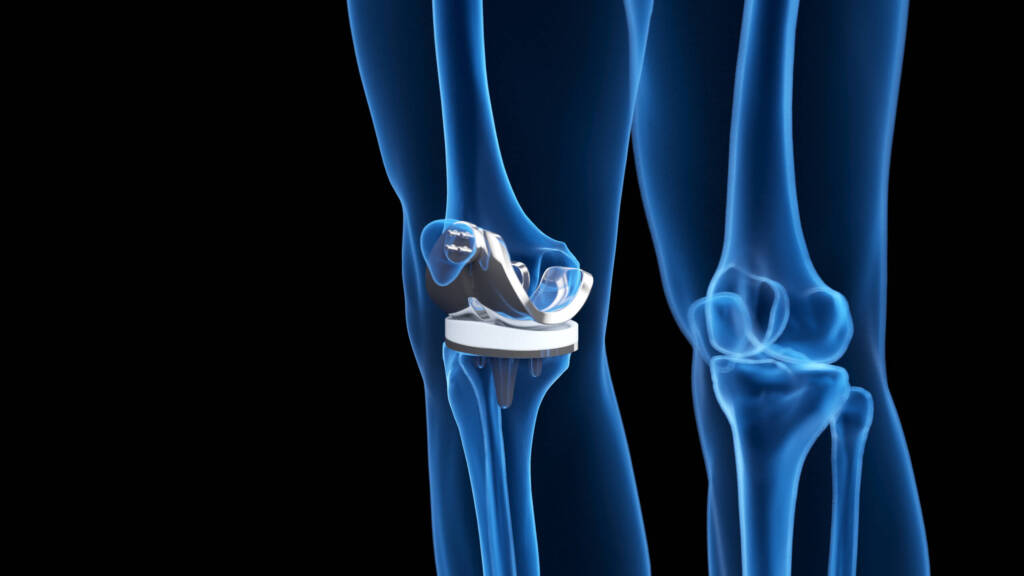
Keratin/bio-MOF coating protects bioresorbable bone implants
Researchers have developed a multifunctional keratin/bio-MOF composite coating for magnesium alloy bone implants. Applied by electrospraying, the coating combines self-healing behaviour, antioxidant activity...

News Coatings Technologies
Nanocone film combines bacterial killing with self-release effect
Researchers have developed a transparent and flexible nanocone array film grafted with a thermo-responsive polymer that mechanically kills bacteria and releases their debris on demand. The approach offers...

News Raw Materials
Bio-based coatings: “Moving from niche to scale”
The adoption of bio-based coatings is accelerating globally, driven by sustainability, performance, and affordability. Julie Haevermans, Vice President of Marketing, Coating Solutions, and Richard Jenkins,...

News Raw Materials
Bio-based feedstocks: The Indian model
India is advancing the development of bio-based feedstocks through targeted policies and innovative approaches. Sangeeta Srivastava, Executive Director at Godavari Biorefineries, discusses how ethanol-based...

News Coatings Technologies
Bio-based methacrylates yield selective antimicrobial polymers
Researchers have developed 15 amphiphilic random copolymers from amino acid-derived and terpene-based methacrylates, demonstrating that lysine-rich compositions deliver the highest antimicrobial activity...
News Coatings Technologies
Bentonite extends shelf life of bio-based starch coatings
Researchers have shown that incorporating bentonite nanoclay into corn starch coatings significantly improves their mechanical strength, water resistance and shelf stability. The bio-based formulation...

News News Raw Materials
Bio-based reactive diluents: Focus on supply security and regulatory requirements
Epoxidised fatty acid esters derived from European vegetable oils offer paint manufacturers advantages in terms of supply security, carbon footprint, and toxicological classification. Marcel Butschle,...
News Coatings Technologies
PDA-modified PTFE enhances tribology of PAI composite coatings
Researchers have developed a mussel-inspired composite coating that combines polydopamine-modified PTFE with poly(amide-imide) to deliver enhanced adhesion, wear resistance and cavitation-erosion resistance....
News Coatings Technologies
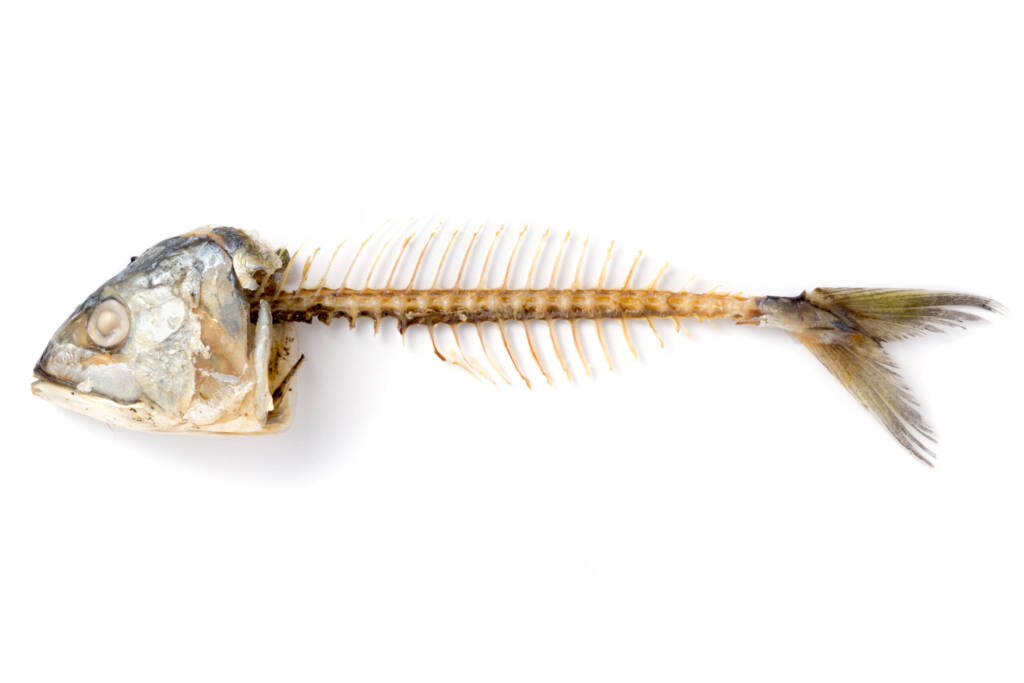
Bio-based fish bone filler enhances fire-retardant coatings
Researchers have demonstrated that fish bone powder, rich in hydroxyapatite and featuring a microporous structure, can act as an effective bio-based functional filler in fire-retardant coatings. Hairtail...

News Raw Materials
Bio-based coatings: “The greatest potential is in polymers for interior wall paints”
Bio-based raw materials: sustainability and performance in transition. In this interview, Eugénie Charrière, strategic marketing & business excellence director at Ecoat, explains why bio‑based...