News Coatings Technologies
Bio-based fish bone filler enhances fire-retardant coatings
Researchers have demonstrated that fish bone powder, rich in hydroxyapatite and featuring a microporous structure, can act as an effective bio-based functional filler in fire-retardant coatings. Hairtail bone powder in particular showed notable improvements in thermal management, mechanical strength and water resistance.
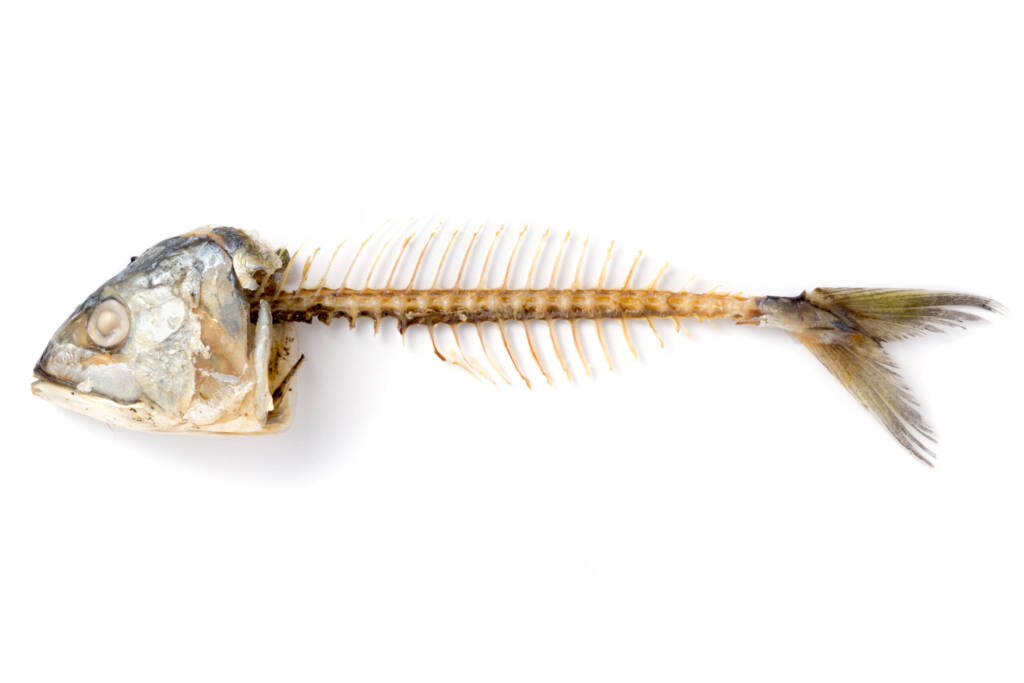
Bio-based fillers are gaining attention as sustainable alternatives in functional coatings. In this study, three types of fish bones were pretreated and evaluated as functional fillers in fire-retardant coatings. The structural and compositional characteristics of the bone powders, including their hydroxyapatite content and microporous architecture, were analysed to understand their reinforcing potential.
The performance of the resulting bio-based fire-retardant coatings was assessed through thermal insulation, flame retardancy, water resistance and mechanical property tests. The findings indicate that the type of fish bone significantly influences the protective behaviour of the coating system.
Reading tip: Coating Production
While the automation of processes in many areas ensures higher efficiency and safety, the question arises how this affects the coatings industry. The eBook “”Automation in Coatings Production”” shows what is already automatable and how the coatings industry can learn from other branches of industry to help make the working days more efficient and future-ready. This eBook is a compilation of different, trend-setting articles regarding e. g. the important role of planning in the development of new paint-making systems, a consistent product quality in a fully automated, continuous coating production or process adjustments in dispersing pigments and fillers.
Hairtail bone powder shows superior multifunctional performance
Among the tested materials, hairtail bone powder delivered the most pronounced improvements, demonstrating excellent thermal insulation, enhanced mechanical performance and notable water resistance. The researchers attributed these effects to the synergistic action of the filler in both the condensed and gas phase flame-retardant mechanisms of the coating.
This synergy contributes to the formation of a more stable char layer while simultaneously diluting combustible gases during exposure to fire. The study highlights the potential of fish bone powders as low-cost, bio-based fillers for next-generation fire-retardant coatings, offering an opportunity to valorise food industry by-products while improving coating performance.
Source: Zhan, W. et al., The effects of fish bone as a bio-based functional filler on organic fire-retardant coatings. Progress in Organic Coatings (2026).