News Coatings Technologies
PDA-modified PTFE enhances tribology of PAI composite coatings
Researchers have developed a mussel-inspired composite coating that combines polydopamine-modified PTFE with poly(amide-imide) to deliver enhanced adhesion, wear resistance and cavitation-erosion resistance. The system achieved a 46 % improvement in adhesion strength and offers new perspectives for protecting fuel pump components.
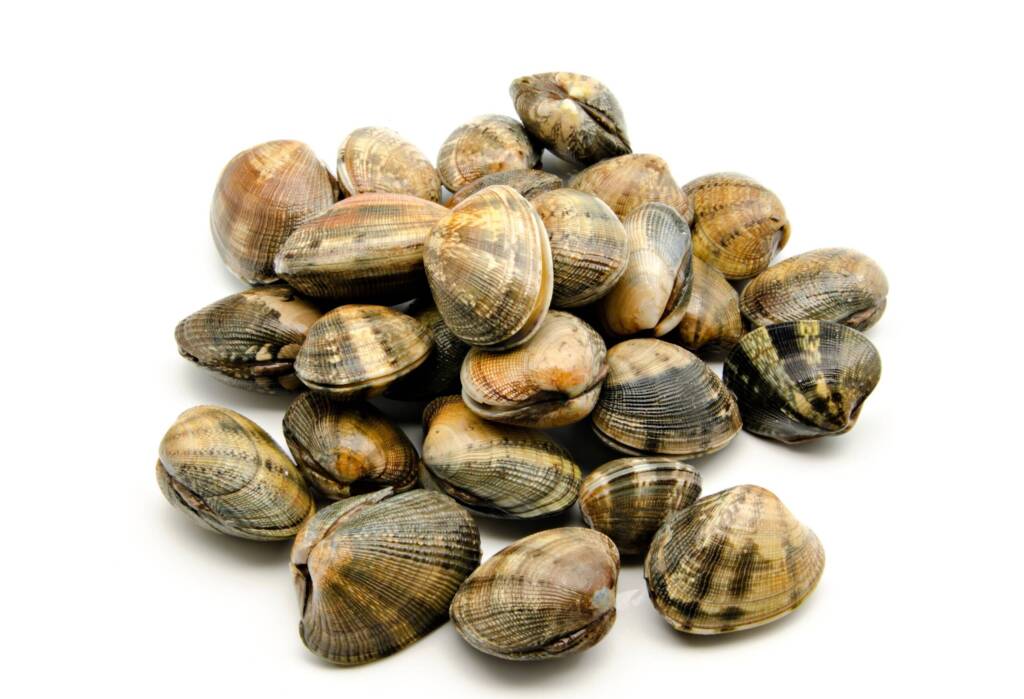
Improving interfacial adhesion is a key strategy to enhance the wear and cavitation-erosion resistance of protective coatings. In this study, a novel composite coating was developed by incorporating polydopamine-modified PTFE (PDA–PTFE) into a poly(amide-imide) (PAI) matrix featuring a double-bond network. The aim was to strengthen the interface and improve durability for fuel pump component applications.
The key innovation lies in the mussel-inspired surface modification of PTFE with polydopamine, which forms a core-shell structure (PDA–PTFE). This modification promotes more uniform dispersion within the PAI matrix and strengthens interfacial interactions between filler and binder.
Reading tip: Corrosion protection coatings
The book “Anticorrosive Coatings: Fundamentals and New Concepts” brings together all the disciplines involved in the creation and use of corrosion protection coatings for metals. It presents the latest insights into the quality and chemistry of surfaces, the proper way to prepare them by conversion treatment, the function of resins and anticorrosion pigments in paints, and novel concepts in corrosion protection. As an added bonus, all the standards and directives mentioned in the text are grouped together in their own chapter for a better overview.
Improved adhesion and new insights into cavitation damage
The PDA–PTFE/PAI composite coating achieved a remarkable 46 % improvement in adhesion strength compared with the unmodified PTFE/PAI reference. It also exhibited the lowest average friction coefficient and wear rate under both dry friction and kerosene lubrication conditions, confirming the synergistic benefits of the interfacial modification.
Notably, the researchers revealed for the first time that high-frequency micro-jets generated during cavitation not only cause debonding and peeling of coating components, but also induce pyrolysis of the imide ring within the PAI matrix. These findings provide new mechanistic insights into the degradation pathways of composite coatings under cavitation conditions and underline the potential of mussel-inspired interface engineering for demanding tribological applications.
Source: Wu, Y. et al., A mussel-inspired interfacial strategy toward synergistically enhanced tribology and cavitation-erosion resistance of PTFE/PAI composite coatings. Progress in Organic Coatings (2026).