
PFAS

News Legislation
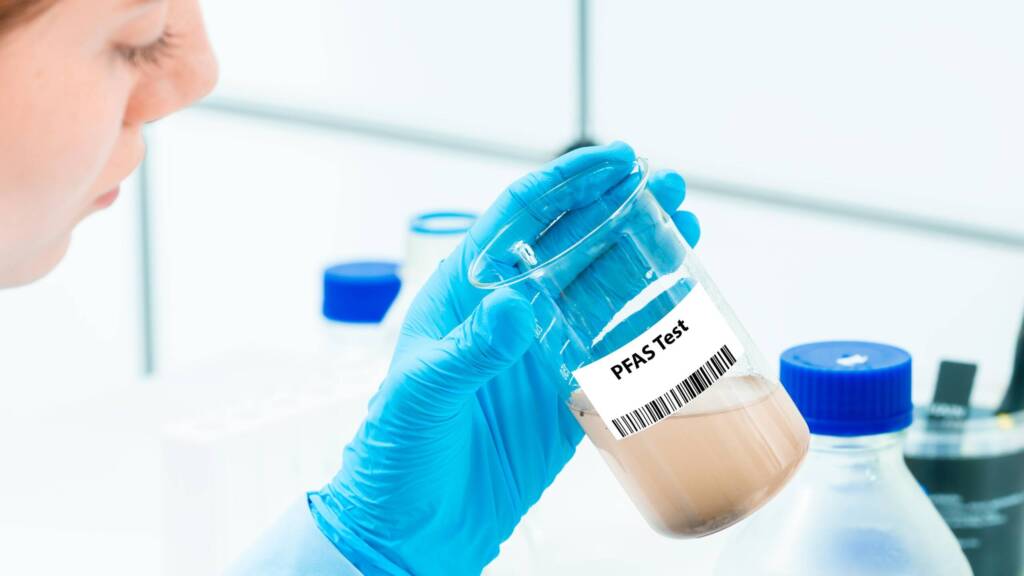
EU packaging regulation enters into force: PFAS restrictions in food-contact packaging now in effect
The EU's Packaging and Packaging Waste Regulation has begun to apply across member states, introducing a harmonised framework for packaging and packaging waste. A key measure now in effect restricts the...
News Coatings Technologies
Bronopol-functionalised WPU repels dirt, water and bacteria
A newly developed fluorine-free water-borne polyurethane coating combines durable antibacterial and antifouling properties across a wide range of substrates. Functionalised with bronopol and modified with...
News Raw Materials
PFAS: “This creates a clear mandate for the industry: Transition now, not later”
As regulatory scrutiny of PFAS intensifies in both the United States and Europe, coating manufacturers are facing mounting pressure to transition to compliant alternatives. Lane Lundeby, business manager...

News Legislation Markets & Companies
ECHA backs EU-wide restriction on PFAS in coatings and beyond
The European Chemicals Agency (ECHA) has voiced its support for a proposed EU-wide restriction on per- and polyfluoroalkyl substances (PFAS). The move aims to address environmental and health concerns...

News Legislation
EU-wide restriction of PFAS: ECHA draft takes shape
The Committee for Socio-economic Analysis (SEAC) has published its draft opinion on an EU-wide restriction proposal for PFAS. The decision could have far-reaching consequences for the paints and coatings...

News Coatings Technologies
Light-activated catalyst developed for PFAS degradation
An international research team has developed a light-activated catalyst capable of efficiently breaking down persistent polyfluoroalkyl substances (PFAS). This technology could be used in the future to...

News Legislation
ECHA’s RAC adopts opinion on PFAS restriction proposal
The European Chemicals Agency’s Risk Assessment Committee (RAC) has completed its scientific evaluation of the proposed EU-wide restriction on PFAS. The opinion marks a significant step in regulating...
News Coatings Technologies
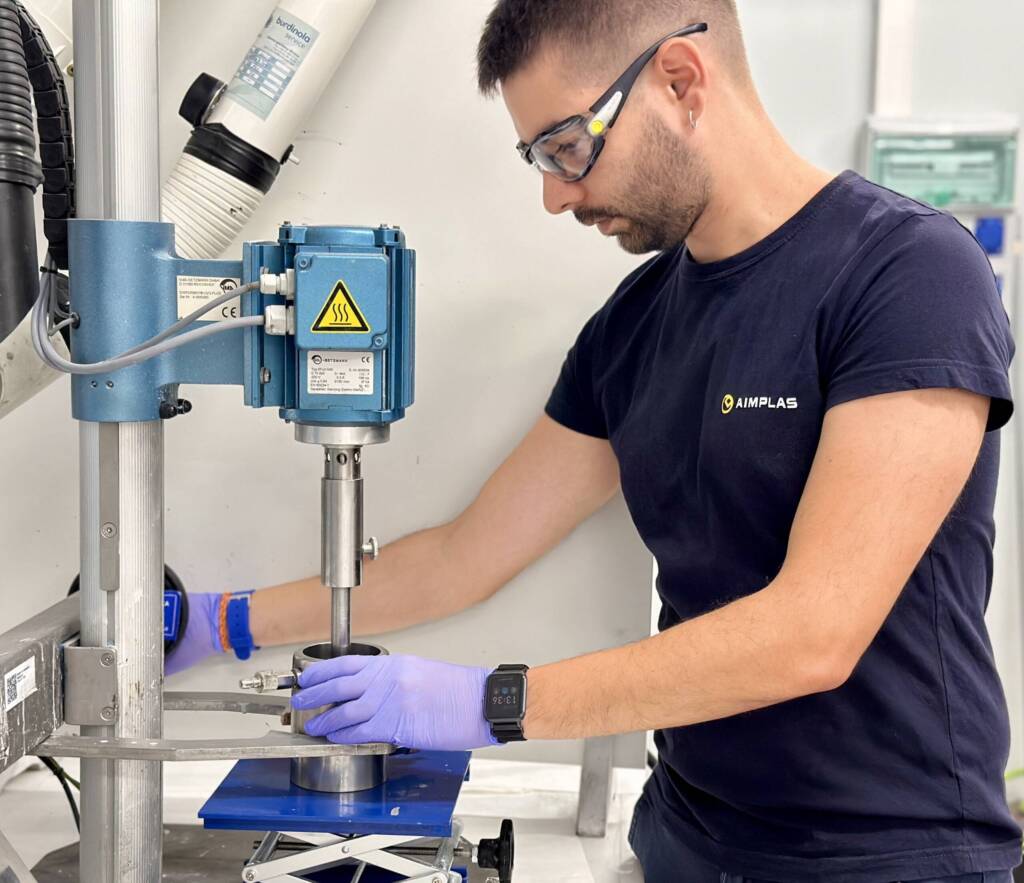
Plasreco promotes PFAS-free coating solutions for packaging, leather and textiles
The Plasreco project is developing silicon-based functional coatings applied by atmospheric plasma as a sustainable alternative to PFAS-based treatments.

News Raw Materials
Breakthrough catalyst breaks down PFAS in coatings
Researchers at Goethe University Frankfurt have developed a novel boron-based catalyst that degrades PFAS – so-called ‘forever chemicals’ – under mild conditions, offering a promising route to...

News Markets & Companies
What the EU’s PFAS restriction means for coatings and paints
From 2025 onwards, regulatory pressure on per and polyfluoroalkyl substances (PFAS) will intensify significantly across Europe. Under the EU REACH framework, a sweeping restriction proposal now covers...

News Coatings Technologies
PFAS-free with silicone: Three coating solutions for anti-ice, barrier and non-stick applications
Researchers from Fraunhofer IFAM and Victrex demonstrate how polysiloxanes can replace PFAS-based systems in functional high-performance coatings. The study presents new formulations for anti-ice, barrier...
News Raw Materials
PFAS: Silicon-based superacids could break down “forever chemicals”
Researchers at TU Berlin have succeeded in synthesising a new class of extremely strong Lewis acids based on silicon. These compounds could play a crucial role in the degradation of harmful PFAS.

News Coatings Technologies Legislation Markets & Companies
ECHA publishes updated PFAS restriction proposal
The European Chemicals Agency (ECHA) has published the updated proposal to restrict per- and polyfluoroalkyl substances (PFAS) under the EU’s chemicals regulation, REACH. The update has been prepared...

News Application Areas
Fluorinated compounds under scrutiny: PFAS – best left to toothpaste?
Per- and polyfluoroalkyl substances (PFAS) have been widely used in various industries since the 1940s due to their remarkable stability and resistance to water, oil and grease. However, in light of sustainability...