News Application Areas
Maximising safety and performance: Pigment development while creating vibrant solutions and meeting strict regulations
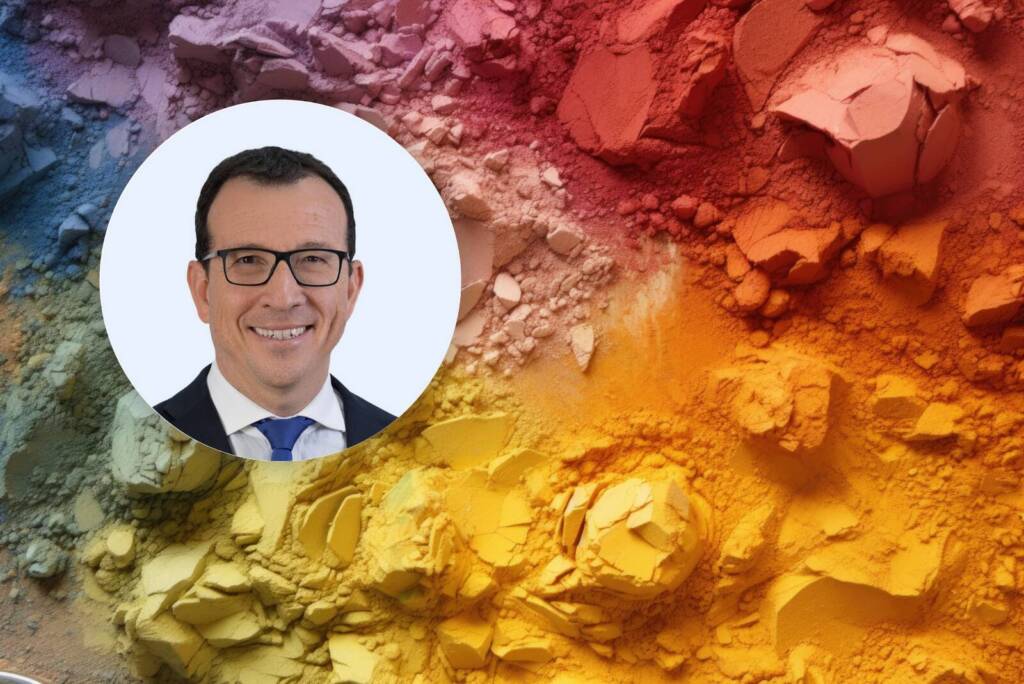
Alex Capuz, Director of Global Product Management at Vibrantz Color Solutions, talks about developmental solutions in pigments and meeting sustainability specifications.
What are the current trends in pigment and colorant innovation for paints and coatings?
Alex Capuz: A key trend in colorant innovation is the development of our tinting technology – the first and only volumetrically dosed tinting system of solid colorants designed for use in water-borne architectural and industrial applications. Additionally, infrared (IR)-reflecting functional pigments are transforming energy management by reducing heat absorption in buildings, mitigating the urban heat island effect, and extending the durability of outdoor coatings. They also enhance IR sensor performance in vehicles, improving detection and functionality across various conditions.
How do R&D efforts address the environmental impact of pigments in coatings production?
Capuz: R&D is driving innovation in pigment production to reduce environmental impact by enhancing closed-loop processes for maximum material recovery and waste reduction. Advanced, energy-efficient equipment – such as next-generation kilns – lowers energy consumption and emissions. These efforts are transforming production efficiency and sustainability, significantly cutting the industry’s carbon footprint.
What are the main challenges in creating pigments that are both vibrant and long-lasting in coatings?
Capuz: A primary challenge in pigment development is creating stable, vibrant molecules with unique chromophores while using sustainable, non-volatile raw materials to avoid supply chain risks. At the same time, pigments must meet strict regulations, ensuring safety without compromising performance.