News Markets & Companies
Renewable cellulose pigments: Seprify and Grolman expand partnership
Seprify and the Grolman Group have announced an expanded collaboration to bring cellulose-based white pigment technology to the industrial coatings, paints and inks sector. The partnership leverages renewable feedstocks as a sustainable alternative to titanium dioxide.
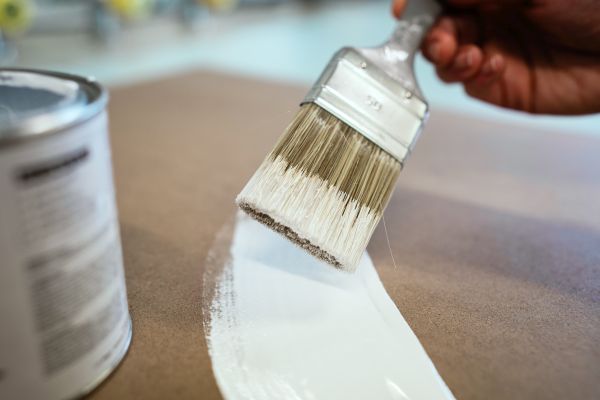
Seprify, a Swiss innovator in cellulose-based materials, has broadened its partnership with the Grolman Group to introduce its white pigment technology to the coatings, paints and inks industry. Building on their collaboration within the cosmetics sector, the move represents a significant step in adapting cellulose feedstocks for higher-volume industrial applications.
The focus of the expanded partnership is on “SilvaFolia”, a cellulose-based pigment that offers manufacturers an alternative to titanium dioxide (TiO₂) while preserving critical properties such as whiteness and opacity. The technology is designed to meet increasing demand for sustainable materials in industrial formulations, addressing both performance and environmental concerns.
Cellulose pigments: a sustainable alternative to titanium dioxide
Formulated from renewable cellulose feedstocks, the pigment enables manufacturers to reduce reliance on TiO₂. The Grolman Group will facilitate the commercialisation of the pigment across Europe and Turkey, leveraging its expertise in formulation development, application testing and customer support. Florian Grolman, Managing Director of the Grolman Group, stated: “The technology combines a strong sustainability profile with promising application performance, addressing growing demand for innovative solutions in the coatings and inks industry.”
Strategic alignment for industrial innovation
This partnership aligns with Seprify’s broader strategy of transforming cellulose into a versatile materials platform. Expanding the partnership with the Grolman Group is a natural next step, positioning renewable pigment technologies for larger-scale industrial applications. The pigment is now available for large-scale commercial trials, with both companies actively working with manufacturers to evaluate its potential across diverse coating, paint and ink formulations. The partnership reflects a growing trend in the industry towards sustainable innovation, offering manufacturers new opportunities to enhance performance while meeting environmental imperatives.