News Markets & Companies
Iron oxides: “Sustainability is becoming a decisive purchasing criterion.”
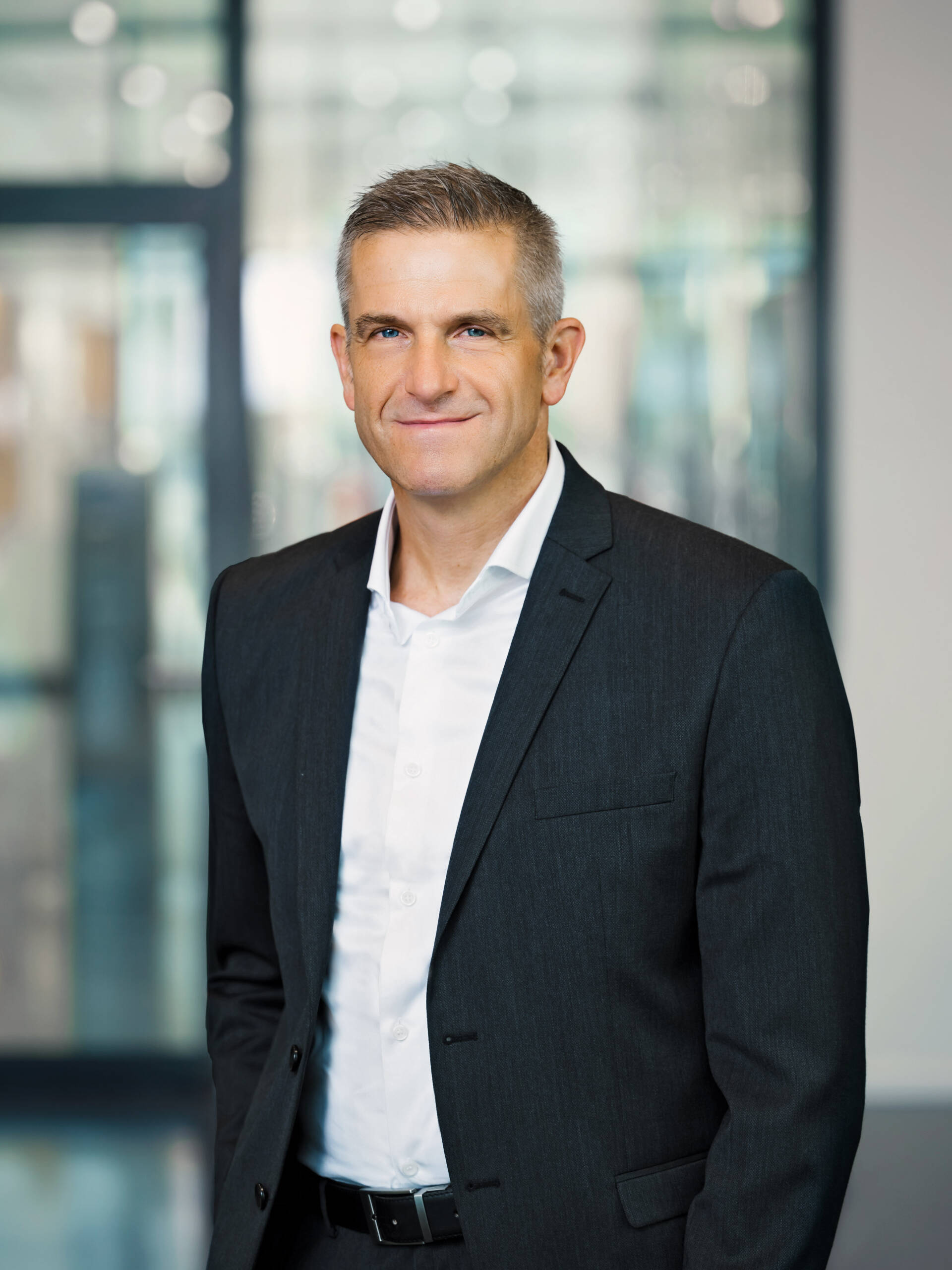
100 years ago, the world’s first industrial production of synthetic iron oxide pigments began at today’s Lanxess site in Krefeld-Uerdingen, Germany. In an interview with the European Coatings Journal, Michael Ertl, Head of Lanxess’ Inorganic Pigments business unit, explains the strategic focus of the long-established European manufacturer in a highly competitive market environment. Interview by Damir Gagro
One century of Inorganic Pigments—what are the key strategic levers today for sustaining long-term success in this market?
Michael Ertl: Geopolitical upheavals in the form of tariffs, armed conflicts, and restricted transport routes are affecting our supply chains to an extent we have never seen before. Added to this is the shift of pigment production to China. As the last Western producer of iron oxide pigments, two strategic levers are therefore crucial for us to remain successful in the long term. The first is a global production network located near our customers. This makes us more resilient and allows us to respond flexibly to changing demand, regulatory interventions, and logistical bottlenecks.
The second lever in our business strategy is differentiating ourselves from the competition based more on quality than price. We primarily achieve this thanks to our LAUX process. For 100 years, it has been at the heart of our production in Germany. Lanxess is the only company in the world that uses this technologically sophisticated synthesis process. It enables us to produce high-performance pigments for the paint and coatings industry.
Energy-intensive processes are under considerable pressure in Europe. How competitive is European manufacturing in the pigment industry today?
Ertl: High energy costs make it increasingly difficult for the European chemical industry to compete on price. Fundamentally, competitors from China have an advantage due to government support and lower environmental and energy costs. However, in the iron oxide pigment market, Lanxess remains competitive with its main production site in Germany. The LAUX process I mentioned is an exothermic chemical process and therefore particularly energy-efficient. Through targeted investments in our facilities and processes, we are further optimizing energy usage. For example, we can use hydrogen in our production process instead of natural gas. This energy efficiency has a beneficial effect beyond just cost savings. We are pioneers in the field of sustainable pigments, and sustainability is becoming a key selling point for an increasing number of customers.
Is the market becoming more innovation-driven or cost-driven?
Ertl: Due to geopolitical developments in recent years, customers in the paints and coatings industry are paying closer attention to price. However, a simple price comparison falls short. A pigment’s performance is also crucial, for example, in terms of dispersibility, color strength, or its contribution to energy savings in the production process. These factors directly impact efficiency, quality, and total costs for customers. Pigments add value, and we consistently highlight this added value.
What specifically do your customers expect in terms of CO₂ transparency and product footprints?
Ertl: They expect verified, comparable, product-specific metrics, such as environmental product declarations or carbon footprint data. It is crucial for paint and coating manufacturers that the carbon footprint of pigments is calculated robustly and documented consistently for their own reporting purposes. General statements or average values are no longer sufficient.
How can European pigment manufacturers secure their long-term innovation power?
Ertl: Customer proximity is a key driver of our innovation, enabling us to understand our customers’ specific applications, requirements, and challenges. Only through close collaboration can we develop practical, relevant solutions. We maintain this proximity through our in-house color laboratory, where we test applications with customers, optimize color developments, and develop new pigment solutions under real-world process conditions. This allows customer requirements to flow directly and efficiently into our development work. These are precisely the strengths we have built up over the past century.
To what extent do you think the pigment market will continue to consolidate?
Ertl: With regard to synthetic iron oxide pigments, consolidation is well underway. Two-thirds of the global production volume comes from China, and a few large suppliers market these pigments worldwide. In contrast, Lanxess has focused on establishing a global production network over the past few decades. This allows us to be closer to our customers in regional markets.