News Coatings Technologies
Double-encapsulation structures create multifunctional flame-retardant, antibacterial, and hydrophobic cotton fabrics
Researchers have developed a bio-based double-encapsulation strategy using β-cyclodextrin and L-arginine to produce cotton fabrics with flame-retardant, antibacterial, and hydrophobic properties, meeting diverse application demands.
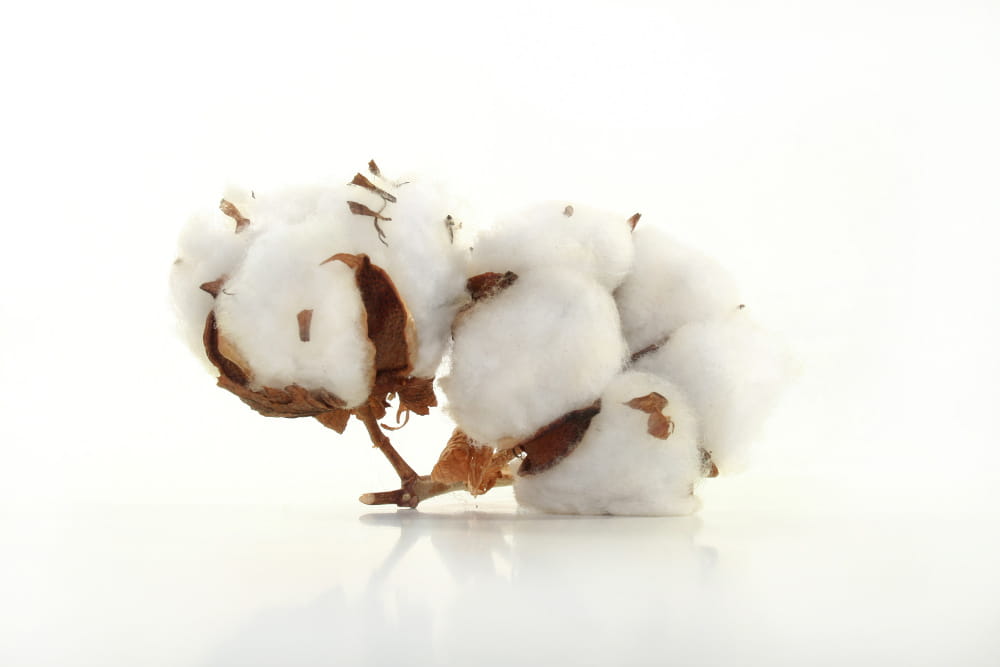
The increasing adoption of biomass-derived materials is addressing challenges associated with non-renewable petroleum resources while opening new possibilities for multifunctional textile applications. This study introduces a bio-based double-encapsulation strategy combining β-cyclodextrin (β-CD) and L-arginine to synthesise a multifunctional additive, β-TPLA, with flame-retardant and antibacterial properties. Additionally, nano-TiO₂ particles were encapsulated using β-CD, and a fluorine-free polysiloxane (POSI) copolymer was created to impart durable hydrophobicity.
The finished cotton fabrics achieved a high limiting oxygen index (35.2 %) and demonstrated excellent self-extinguishing capabilities due to synergistic gas-phase and condensed-phase mechanisms. Antibacterial tests revealed inhibition rates of 97.3 % against Escherichia coli and 98.1 % against Staphylococcus aureus, while the fabrics retained hydrophobic properties with a water contact angle of 124.5°. Notably, the treated cotton maintained good whiteness and mechanical strength, providing a sustainable and effective solution for high-performance textile applications.
Event Tip: EC Conference Frontiers in Fire Protective Coatings
With stricter regulations, rising sustainability requirements and modern construction methods, the field of fire-protective coatings is evolving rapidly. Join leading experts on 13 – 14 April 2026 in Copenhagen, Denmark, to discuss the latest scientific and technological advances, from bio-based flame-retardant systems and enhanced durability testing to next-generation intumescent technologies and digitalisation of certification and performance assessment processes.”
Expanded applications for industry and beyond
This eco-friendly and scalable finishing process enhances cotton fabrics for use in diverse fields, including protective clothing, medical textiles, and outdoor fabrics. The study highlights the potential of bio-based strategies in developing multifunctional textiles with advanced properties, supporting sustainable innovation in the coatings and textiles industries.
Source: Liu, X. et al., “Double-encapsulation” structures with dual biomass components for flame-retardant, antibacterial and hydrophobic cotton fabrics. Progress in Organic Coatings, 109880 (2025).