News Production & Lab
Acrylic resin with DMPT crosslinker enables virtually invisible seams
Researchers from several Chinese institutions have developed a high-performance acrylic adhesive system that combines fast curing with outstanding mechanical and optical properties.
At the core of this innovation is the use of N,N-dimethyl-p-toluidine (DMPT) as a crosslinker in combination with benzoyl peroxide (BPO), forming a redox-initiated polymerisation system.
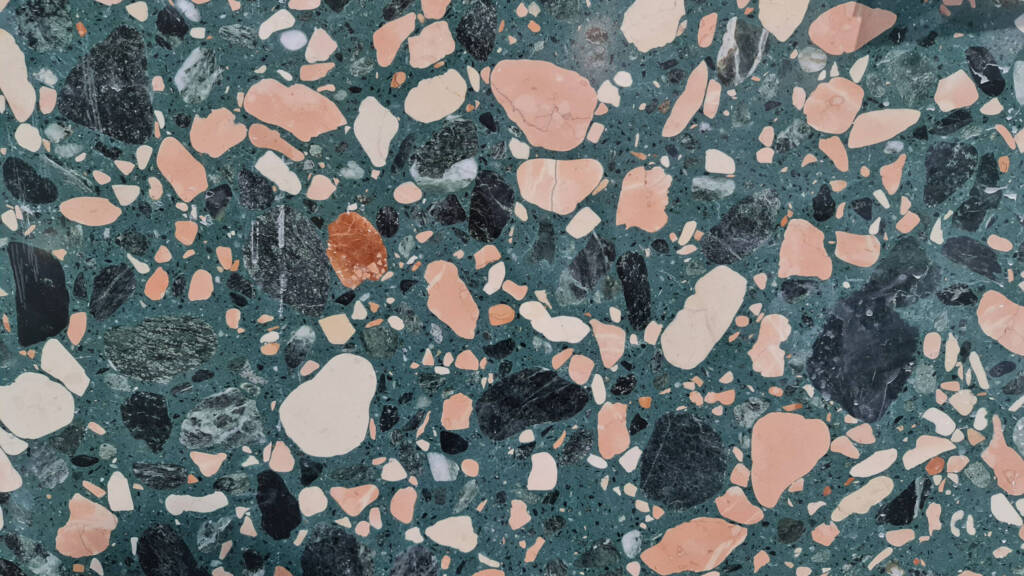
The adhesive is specifically engineered to meet the demands of seamless bonding in artificial stone applications, where visual appearance and strength must go hand in hand. The optimised formulation achieves a curing time of approximately 10 minutes at room temperature (25 °C). This balance between speed and processing time makes the system suitable for continuous production environments.
Seamless aesthetics meet industrial-grade toughness
Mechanical testing revealed a stress intensity factor (K) of up to 12.32 kPa·m¹/², indicating excellent fracture toughness and durability. These properties are critical for load-bearing or vibration-sensitive applications. Additionally, the adhesive showed minimal colour change when exposed to elevated temperatures—an important factor in ensuring the spliced joints remain virtually invisible over time.
This visual clarity, combined with the mechanical strength, makes the formulation highly attractive not only for decorative surfaces but also for sensitive applications in bioelectronics, where clean interfaces and material stability are paramount.
Tunable resin-powder ratio offers cost and performance flexibility
Another advantage of the adhesive lies in its adjustable resin-to-powder ratio, which allows manufacturers to tailor the formulation to their specific needs—optimising for cost, processing behaviour or performance requirements. This flexibility can significantly reduce material costs without compromising on strength or curing speed.
The study underlines the versatility of acrylic-based adhesive systems when combined with redox curing chemistry and thoughtful formulation design. With its combination of efficiency, strength, optical clarity and adaptability, this adhesive could play a key role in both traditional construction and advanced electronics manufacturing.
Source: RSC Applied Polymers