News Markets & Companies News
Sustainability: A vital component of long-term business success
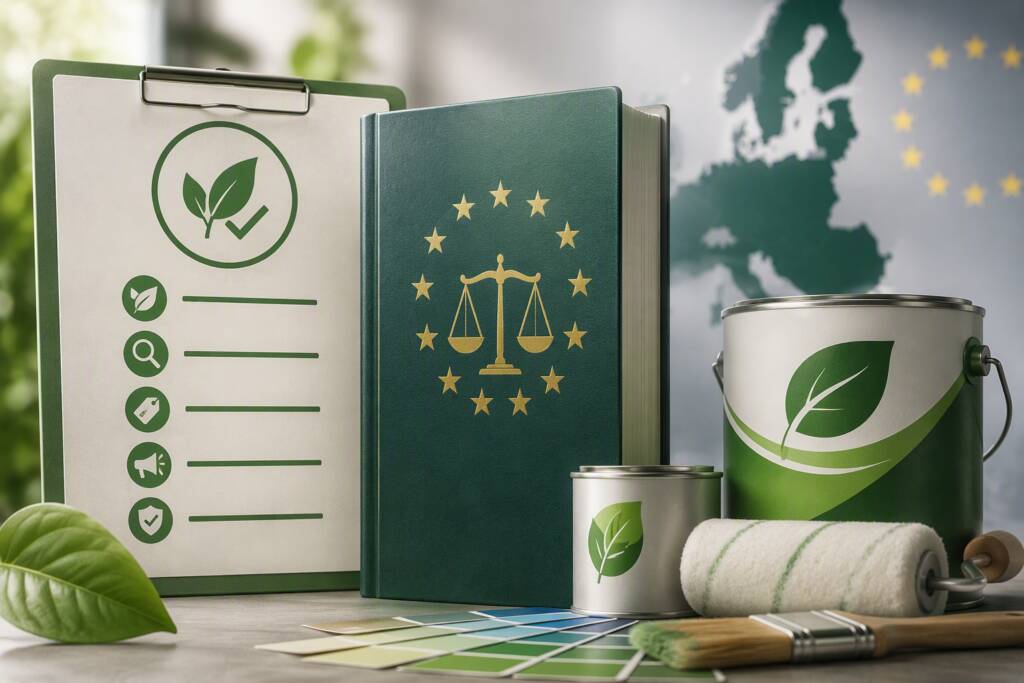
Sustainability has become a key driver of long-term performance, helping organizations manage risk, improve efficiency and create value. By integrating sustainability into innovation, operations and customer solutions, companies can reduce costs, strengthen resilience and enhance competitiveness. Organizations that treat sustainability as integral to their growth strategy will be best positioned for lasting success. By Peter Votruba-Drzal, PPG vice president, global sustainability


In today’s business environment, sustainability has shifted from a future aspiration to an expectation from customers, investors, regulators and employees. It has become a practical lens through which companies and investors evaluate risk, identify opportunities and build resilience in an increasingly complex marketplace. These stakeholders expect organizations to operate efficiently, responsibly and transparently, while continuing to deliver strong financial performance. This expectation is prompting businesses to evolve their strategies by integrating sustainability reporting and communicating how they create, deliver, and sustain value over time.
One of the most consistent challenges facing industry today is the need to do more with fewer resources. Energy, water, materials and skilled labour are under increasing constraint. For many manufacturers, including those across Europe, improving resilience has become increasingly important as they navigate energy market volatility, supply chain disruptions, chemical regulatory shifts and resource constraints. At the same time, businesses are required to move faster, innovate more frequently and manage greater uncertainty across global supply chains to meet growing customer and consumer demand for more sustainable solutions. As regional differences continue to grow, organizations with local sourcing, manufacturing and distribution capabilities are often better positioned to meet customer needs, navigate evolving regulations and build resilience across their value chains. This can create a meaningful competitive advantage in regional markets.
Sustainability as an operating performance discipline
Organizations that grow in this environment are often those that treat sustainability as an operating performance discipline. They integrate it into how products are designed, how operations are run and how customer needs are met. This approach reframes sustainability into an enabler of growth and competitive advantage. Across industries, many of the most effective sustainability efforts begin with a deep understanding of customer challenges. Customers are looking for solutions that improve productivity, reduce operating costs, extend asset life and lower risk. When guided by those priorities, sustainability-driven innovation is often a natural outcome. Products and services that use less energy, generate less waste or last longer can help improve customer outcomes while also contributing to environmental benefits.
In the coatings industry, operating cost reductions can mean helping customers lower energy and water use, reduce waste, improve application efficiency while maintaining or enhancing the coating performance they expect. At PPG, for example, sustainably advantaged products are defined using an internal methodology that validates measurable environmental improvements and performance benefits against industry benchmarks. These products make up an increasing share of sales because they help customers reduce operating costs while improving product performance. While this example comes from the coatings industry, the principle applies broadly. Sustainability creates value when it directly supports customer business performance by enabling them to reach their sustainability and productivity aspirations.
Sustainability reporting as a key factor
Sustainability reporting is also reshaping how businesses operate. Expanding regulatory requirements and stakeholder expectations are increasing demand for transparent, data-driven disclosure of environmental impacts. As reporting standards evolve, organizations must be prepared to clearly communicate their strategy, progress and business impact. Companies that invest early in digital tools and measurement systems are better positioned to navigate compliance requirements, build trust with customers and investors, and maintain a competitive advantage.
Operational excellence and sustainability also are becoming increasingly interconnected. Efforts to reduce emissions, conserve water or minimize waste often uncover inefficiencies that may have previously gone unnoticed. Energy efficiency projects, water and waste reduction efforts, smarter logistics and improved process design frequently result in cost savings, productivity gains and more resilient operations, helping improve operating margins. Over time, these improvements strengthen a company’s ability to withstand disruption, whether from market volatility, supply chain challenges or extreme weather events.
For Europe, sustainability represents an opportunity to build on long-standing strengths in manufacturing, innovation and collaboration. Advanced manufacturing, materials science, robotics and information technology all play a role in developing solutions that support both economic growth and environmental benefits. Collaboration among businesses, research institutions and community partners can accelerate progress and help scale innovative, sustainably advantaged solutions to the market. The companies that will lead in the years ahead are those that recognize sustainability as an enabler of business growth. By embedding sustainability into product and service innovation and operations, businesses can respond more effectively to today’s challenges while building competitive advantages that position themselves for lasting success.
The future of the coatings industry will be shaped by leaders who view sustainability as a business advantage, not a separate initiative. By embedding sustainability into innovation, operations and customer solutions, organizations can unlock new opportunities for growth, productivity and resilience. For the coatings industry in Europe, that means developing innovative solutions that help customers address regional challenges while delivering lasting business value.
Event tip
The Sustainable Coatings Conference, which takes place on 3 – 4 November 2026 in Amsterdam, Netherlands, will provide practical insights into low‑carbon technologies, circular economy approaches, bio‑based and water‑based systems, and robust assessment methods such as LCA and mass balance. Learn how the industry is responding to regulatory pressure, customer expectations, and material constraints – and how sustainability can become a measurable business advantage rather than a compliance burden.