News Coatings Technologies
Calcium-looping DAC could cut cement’s climate impact by 78 %
A new life-cycle analysis by ETH Zurich researchers demonstrates that combining cement production with calcium-looping direct air capture could cut the climate impact of cement manufacturing by 78 % by 2050. The integrated approach could make cement plants a net CO₂ sink under favourable energy conditions.
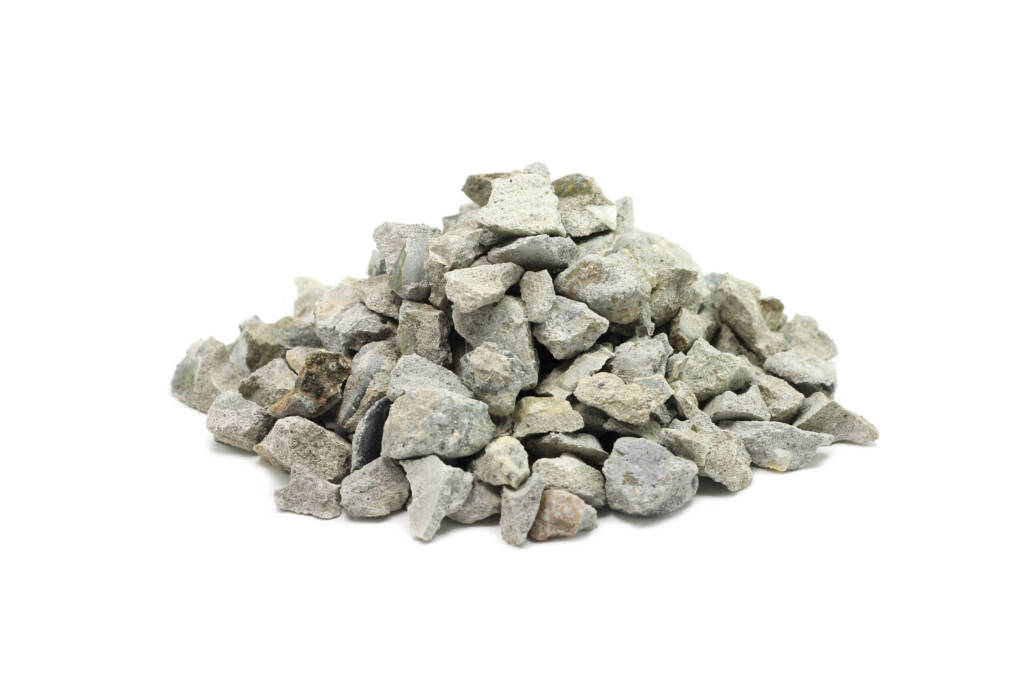
Cement production ranks among the largest industrial sources of CO₂ worldwide, accounting for five to eight per cent of global emissions. A new study led by the group of André Bardow, Professor of Energy and Process Systems Engineering at ETH Zurich, shows how cement plants could in future be turned into a tool for removing CO₂ from the atmosphere. The concept combines cement manufacturing with direct air capture (DAC) based on calcium looping, a chemical cycle involving calcium compounds. The researchers cooperated with US-based Heirloom Carbon Technologies, one of the leading developers of the technology.
Both cement production and calcium-looping DAC rely on the same core process: limestone is heated until it decomposes into quicklime and CO₂, a step known as calcination. By replacing conventional fossil-fired kilns with electrically heated calcining kilns, combustion emissions can be avoided and the CO₂ released during calcination can be captured directly, as it is no longer diluted by combustion exhaust gases. According to the analysis, electrification of the kiln and direct CO₂ capture alone could reduce the climate impact of cement production by 78 % by 2050.
Event tip:
The Sustainable Coatings Conference, which takes place on 3 – 4 November 2026 in Amsterdam, Netherlands, will provide practical insights into low‑carbon technologies, circular economy approaches, bio‑based and water‑based systems, and robust assessment methods such as LCA and mass balance. Learn how the industry is responding to regulatory pressure, customer expectations, and material constraints – and how sustainability can become a measurable business advantage rather than a compliance burden.
Net-negative footprint and dependence on the energy mix
The study is described as the first prospective life-cycle analysis for industrial-scale calcium-looping DAC. It covers raw material extraction, plant construction and operation, and underground storage of the captured CO₂. Because CO₂ capture from the atmosphere is highly energy-intensive, the largest share of the environmental footprint stems from the energy supply. The authors therefore compared three scenarios: the current US electricity mix, a strongly decarbonised mix of wind and solar power, and a fully autonomous system based on photovoltaics and battery storage.
The results show that commercial calcium-looping DAC plants with CO₂ storage remove more CO₂ over their life cycle than they emit. Depending on the energy scenario, CO₂ removal efficiency in 2050 ranges between 85 % and 96 %, meaning that 40 to 150 kg of CO₂ are generated in the process chain for every tonne captured and stored — figures comparable to other DAC systems. Powering the plant with renewable electricity yields the highest efficiency. Because DAC can be integrated into established cement production processes with relatively limited modifications, the authors regard the approach as a promising scalable option for the decarbonisation of the cement sector, although the economic viability and the large-scale operation of electrically heated calcining kilns still require further investigation.
Source: ETH Zurich, How cement plants can remove CO₂ from the atmosphere. Press release, 13 August 2026.