News Markets & Companies
Iron oxides: Lanxess deploys hydrogen in large-scale production
By switching to hydrogen as the fuel for drying iron oxide pigments, Lanxess has reached a technological milestone. The plant at the Krefeld-Uerdingen site saves 6,000 tonnes of CO₂ annually and demonstrates the potential of integrated production sites for climate-neutral processes.
Lanxess, a leading specialty chemicals manufacturer, has made its production processes at the Krefeld-Uerdingen site more sustainable and, for the first time, operated a large-scale plant entirely on hydrogen. The fuel is used to dry iron oxide pigments in a spray dryer that was previously powered by natural gas. Through this switch, the company saves 6,000 tonnes of CO₂ annually and underlines its leading role in the decarbonisation of the chemical industry.
“The step from natural gas to hydrogen burners marks a technological milestone for us on the way to low-greenhouse-gas processes,” emphasises Michael Ertl, Head of the Inorganic Pigments business unit at Lanxess. The plant, which was gradually brought into operation at the end of 2025, is designed entirely for the use of hydrogen. The technical infrastructure comprises a dedicated hydrogen pipeline, adapted burner and measurement technology, as well as additional safety and control systems.
Integrated site as the key to sustainability
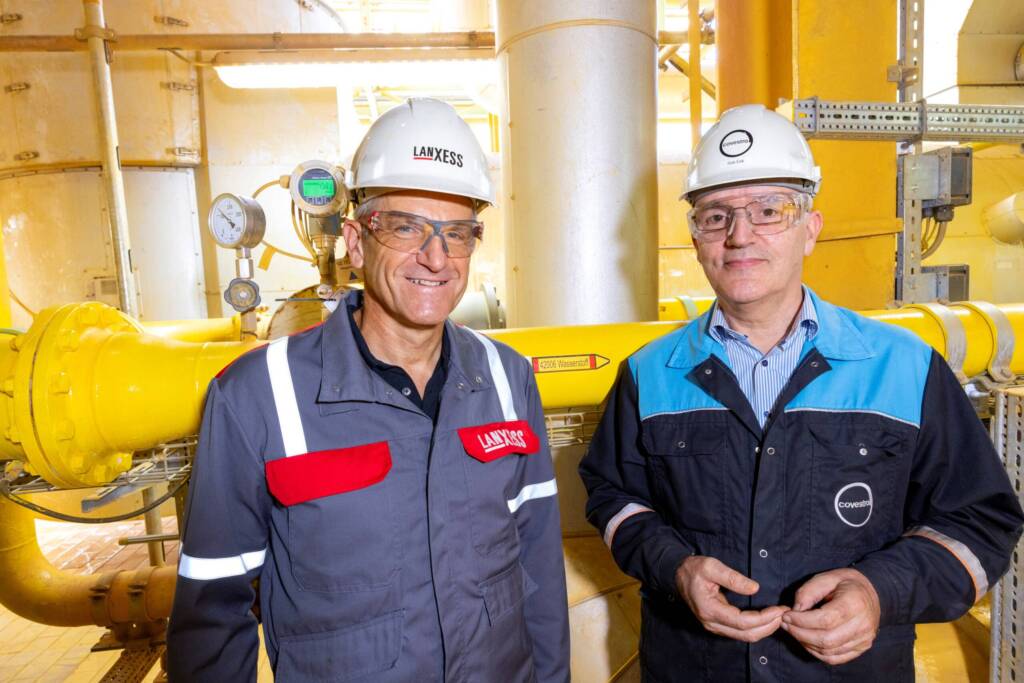
A central success factor for this project is the close collaboration with Covestro at the integrated Krefeld-Uerdingen site. The hydrogen, which is produced as a by-product of Covestro’s chlorine electrolysis, is delivered directly to the Lanxess plant via a pipeline. “The project shows that industrial partners at an integrated site can shape the transition towards climate-friendly production particularly successfully,” explains Rob Eek, Production Manager at Covestro.
The long-standing cooperation between the two companies at the site already includes the supply of nitrobenzene by Covestro to Lanxess, which is used in iron oxide production. The hydrogen deployment now implemented expands this network with a climate-relevant component and strengthens the sustainability strategy of both partners.
World’s largest iron oxide pigment production with a low CO₂ footprint
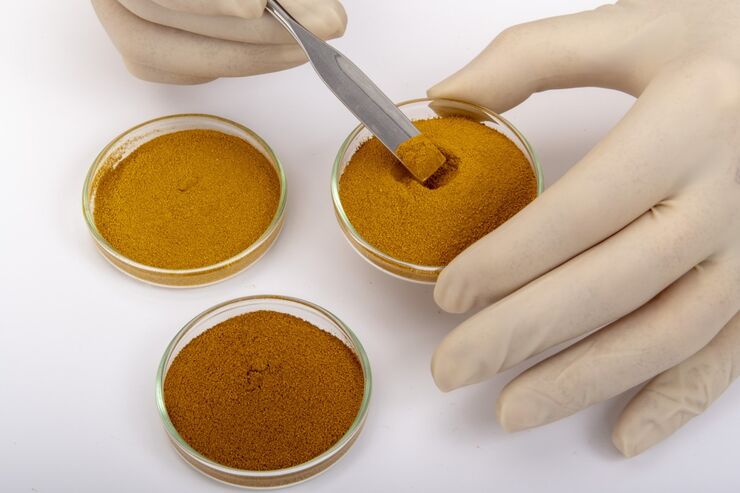
Lanxess operates the world’s largest production plant for iron oxide pigments in Krefeld-Uerdingen. The pigments, which are used in the construction industry, in paints and coatings, and in plastics, among other applications, are characterised by their high colour strength and weather resistance. A decisive environmental advantage is the products’ industry-leading low CO₂ footprint, which is achieved through the energy-efficient and waste-free Laux process.
By switching to hydrogen as a fuel, Lanxess sends another signal for sustainable production and shows the industry that decarbonisation is possible not only in pilot projects, but also in the continuous operation of large-scale plants.