News Coatings Technologies
Natural anti-fouling approaches: macrophyte extracts for eco-friendly coatings
A new study reveals that macrophyte extracts, such as those from Pontederia crassipes, effectively combat biofouling on artificial aquatic structures. The research highlights innovative perspectives for sustainable anti-fouling coatings.
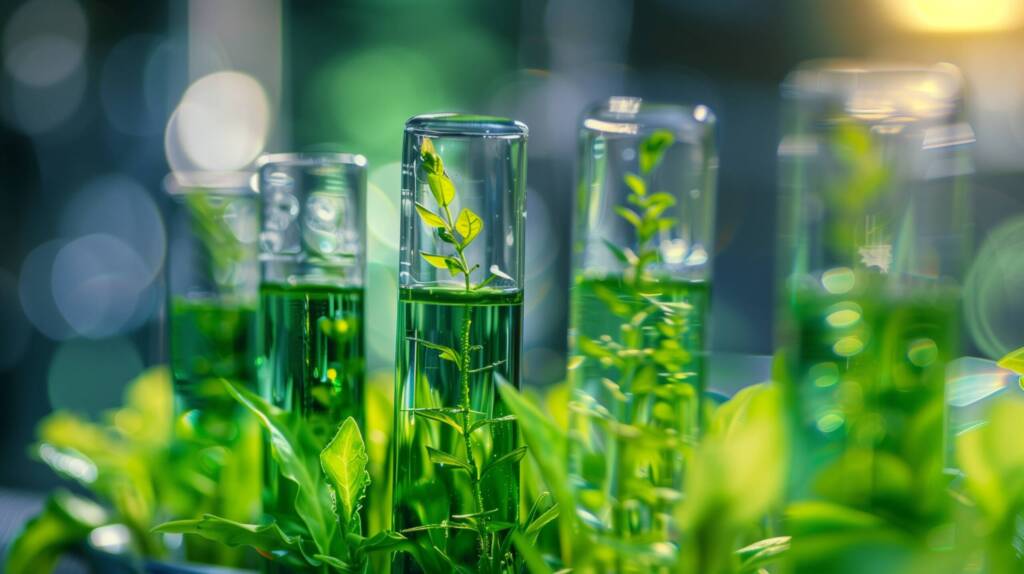
Biofouling on artificial aquatic surfaces poses significant economic and operational challenges worldwide. Traditional anti-fouling strategies rely on synthetic chemical coatings, which often have harmful environmental effects. Researchers have now explored the potential of macrophyte extracts, specifically Pontederia crassipes and Typha domingensis, for the development of sustainable anti-fouling coatings.
Conducted at the Salto Grande Reservoir (Uruguay), this study is the first to evaluate the anti-fouling properties of these plant extracts under natural conditions. Stainless steel substrates were treated with epoxy coatings containing 2.5, 5, and 10 g/l of lyophilised macrophyte extracts and compared to untreated and epoxy-coated controls. Over 165 hours, researchers assessed biofouling by measuring chlorophyll levels, bacterial populations, macro-organism attachment, and taxonomic diversity.
Reading tip: Alternatives to Biocides
The “EC Tech Report Alternatives to Biocides” provides deep insights into the latest technological findings, such as: Solutions for changing biocide labelling issues, current developments in additive, binder, and filler technologies enabling biocides-free formulation of high-performance coatings, and novel antimicrobial technologies to enhance surface durability and longevity and modern microbial detection systems. In addition, gain access to our detailed market analysis showcasing the challenges faced by biocide manufacturers in today’s stringent regulatory landscape and explore detailed product overviews on acting film and in-can preservatives and their usability in different applications.
Superior Efficacy of P. crassipes
The results show that extracts from P. crassipes at 5 and 10 g/l exhibited significantly better anti-fouling performance than those from T. domingensis. They reduced bacterial colonisation by 37 %, inhibited algae growth (measured via photosynthetic pigments), prevented macro-organism attachment, and limited fungal growth. Simultaneously, they promoted the presence of opportunistic taxa that are less conducive to biofouling.
The anti-fouling activity is attributed to specific chemical compounds, including long-chain hydrocarbons and phenolic derivatives, identified in the extracts.
Sustainable Perspectives for Anti-fouling Coatings
The high biomass availability and ease of cultivation of P. crassipes make it a promising candidate for industrial-scale development of natural anti-fouling additives. This study provides critical insights into developing eco-friendly coatings that effectively control biofouling while minimising environmental impact.
Source: Morales, M. L. P. et al. Evaluating macrophyte extracts as eco-friendly anti-fouling additives for freshwater man-made structures: a field assessment. Environmental Pollution, 384, 126952, 1 November 2025. DOI: https://doi.org/10.1016/j.envpol.2025.126952.