News Application Areas
Multifunctional biopolymer coatings inspired by fish skin
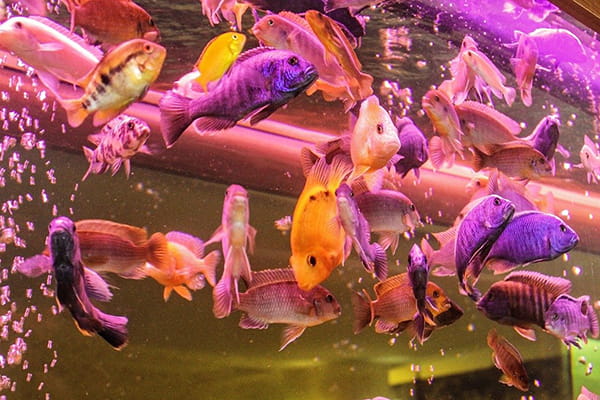
Anti-biofouling surfaces are very important owing to their significant roles in microfluidic devices, biosensors and biomedical devices. However, traditional anti-biofouling surfaces could contaminate the environment. Thus, the development of environment-friendly coatings is an essential undertaking in efforts to resolve the problems associated with conventional anti-biofouling surfaces.
Now a novel strategy inspired by the slippery surface of loach skin has been proposed for the rational design of anti-biofouling surfaces. In this strategy, hydrophilic biopolymers, including chitosan, carboxymethyl cellulose, mPEG-amine and alginate, are grafted on a porous polycaprolactone (PCL) membrane. The porous PCL surface is a biomimetic surface inspired by the skin surface of a loach that secretes mucus. The developed coating surface is not toxic and the coating material is not depleted to the outside.
Excellent hydrophilic property
The resultant covalent biopolymer-coated surfaces (BCSs) exhibit excellent hydrophilic property and drag reduction effect in water. Especially, the additional coating of mPEG-amine on the alginate-coated surface exhibits the best drag reduction performance. In addition, the BCSs show superior anti-biofouling performance by resisting the adhesion of bacteria (Escherichia coli and Maribacter dokdonensis) and NIH3T3 fibroblasts.
The study has been published in Progress in Organic Coatings, Volume 158, September 2021.