News Coatings Technologies
Soybean oil-based photoresin enables multi-mode anti-counterfeiting
Researchers have developed a bio-based UV-curable resin from epoxidised soybean oil for 3D printing applications. The thiol-acrylate dual polymerisation system reduces shrinkage and oxygen inhibition while enabling multi-dimensional anti-counterfeiting through fluorescence, phosphorescence and thermochromism.
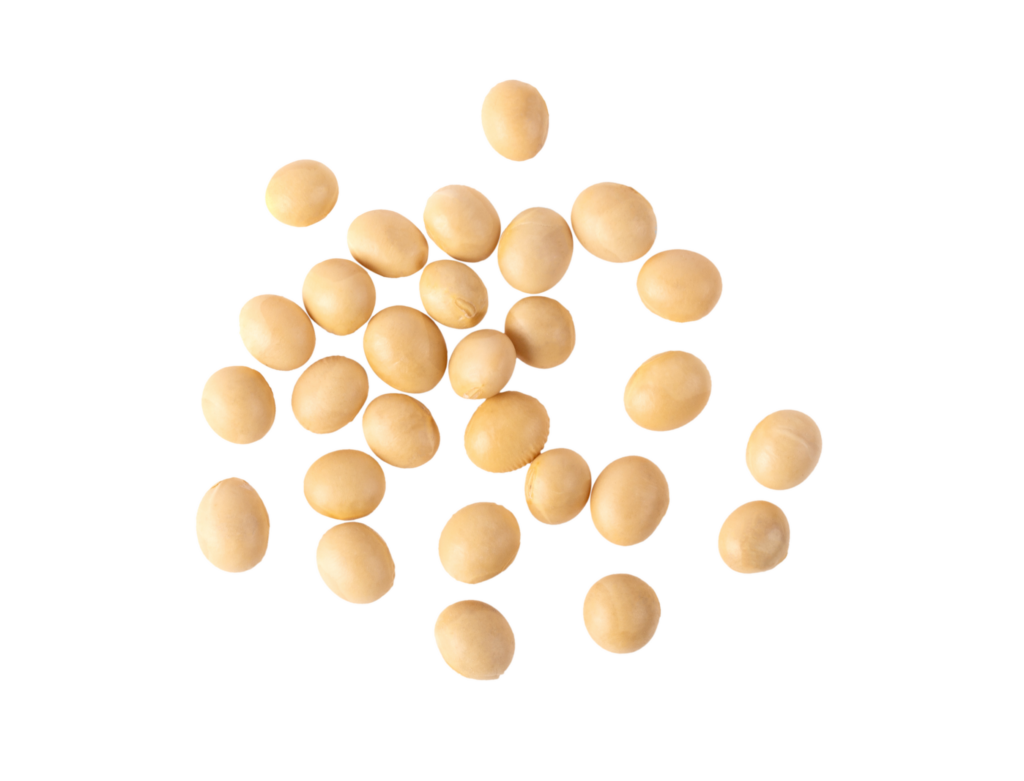
UV-curable resins for 3D printing are typically derived from petrochemical feedstocks and suffer from high shrinkage and susceptibility to oxygen inhibition. A research team has now developed a bio-based alternative starting from epoxidised soybean oil (ESO). The ESO-HEMANA prepolymer was synthesised through a ring-opening reaction between ESO and 2-hydroxyethyl methacrylate phthalate monoester (HEMANA), establishing a renewable platform for photocurable formulations.
To address the shortcomings of conventional acrylate systems, the team built a thiol-acrylate dual polymerisation system by incorporating trimethylolpropane triacrylate (TMPTA) and pentaerythritol tetrakis(3-mercaptopropionate) (PETMP). This dual mechanism enabled precise control of mechanical properties and volume shrinkage, while enhancing toughness and thermal stability.
Reading tip: Radiation Curing
Explore the transformative technology of radiation curing in coatings with “”Radiation Curing“”. Learn about UV and electron beam curing processes, their advantages, and applications across various industries. Discover how radiation curing enhances coating efficiency, durability, and sustainability.
Multi-functional encryption via responsive additives
The resin platform was further endowed with stimuli-responsive functionalities by doping with tetraphenylethylene (TPE) for fluorescence, aniline-2,5-disulfonic acid (BZ-SA) for phosphorescence and reverse thermochromic powders (TC-PB40 and TC-G60). The formulation is compatible with both LCD and DLP 3D printing technologies, enabling the fabrication of complex geometries.
Stepwise decoding for high-level anti-counterfeiting
Based on this material, the team developed a multi-level anti-counterfeiting and information encryption system that combines ultraviolet excitation, multi-layer 3D-printed information concealment and a multi-dimensional encryption mechanism integrating fluorescence, phosphorescence and temperature responses. Decoding the genuine information requires a stepwise process, providing robust resistance to unauthorised retrieval. According to the authors, the work demonstrates a “structure-function integrated” approach that combines bio-based chemistry with additive manufacturing, opening up opportunities for high-level anti-counterfeiting and secure information storage.
Source: Yu, W. et al., Construction of soybean oil-based fluorescent resin for UV-curing 3D printing with multi-dimensional anti-counterfeiting and information encryption. Progress in Organic Coatings (2026), https://doi.org/10.1016/j.porgcoat.2026.110045.