News Coatings Technologies
UV LED technology drives green transition in wood coatings
A new review examines the growing role of UV LED light-curing technology in the wood coatings industry. The authors highlight advances in resin systems, light sources and photoinitiators that address key challenges such as under-curing, yellowing and toxic migration, positioning UV LED curing as a central driver of sustainable transformation in wood surface engineering.
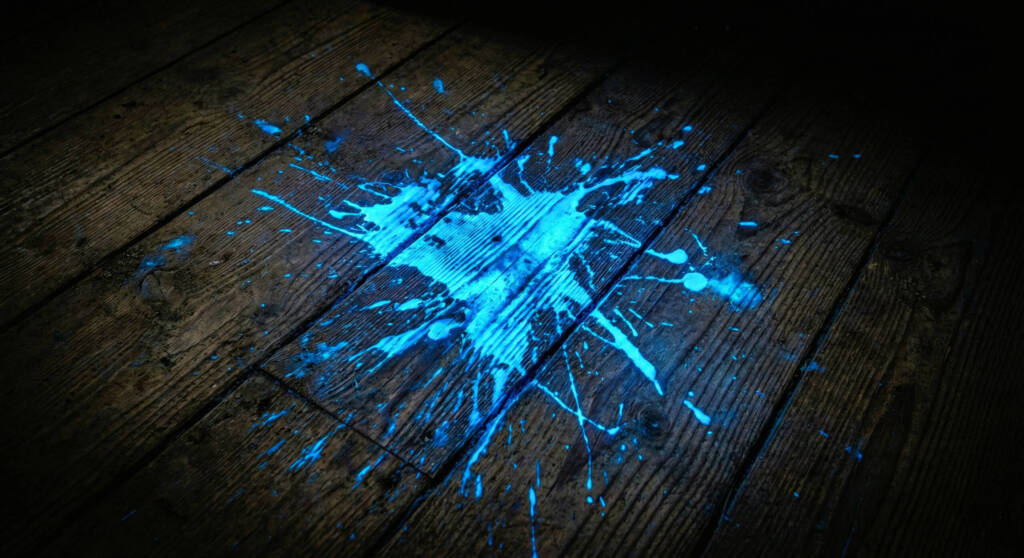
Ultraviolet (UV) light-curing technology has significantly transformed the wood coatings industry thanks to its rapid curing kinetics and favourable environmental profile. Within this field, UV light-emitting diode (UV LED) curing is emerging as a pivotal driver of sustainable progress. Compared with conventional UV mercury lamps, UV LED technology offers superior energy efficiency, extended operational lifetime, elimination of ozone emissions and enhanced production throughput. These benefits, combined with tightening environmental regulations and growing market demand for eco-efficient processes, make UV LED curing a strategic technology for the sector.
A recent review by Yang, Fang and Yang provides a comprehensive overview of the state of the art and outlines the key innovation areas that will shape the future of UV LED-cured wood coatings. Three technological pillars are at the centre of current research: the design of novel high-performance UV-curable resins, the optimisation of UV LED light sources, and the development of advanced photoinitiators matched to UV LED emission wavelengths.
Event Tip: EC Conference Frontiers in Wood Coatings
The EC Conference Frontiers in Wood Coatings, formerly the Wood Coatings Congress, has established itself as the international reference platform for scientific and technical exchange in the field of wood coatings. Over the course of two intensive days in Amsterdam, the conference will bring together stakeholders from across the value chain — from resin and additive producers to leading research institutes, coating manufacturers, and end-use industries — to discuss the latest advances in formulations, application processes, and sustainable solutions.
Resins, light sources and photoinitiators
On the resin side, developments focus on low-viscosity, highly reactive systems, water-borne UV resins, bio-based acrylic resins and functionalised UV resins. These formulations aim to overcome persistent challenges such as deep-section curing, polymerisation shrinkage and interfacial compatibility with wood substrates. Optimisation of UV LED light sources concentrates on improved irradiance uniformity and effective thermal management, both of which are critical for consistent film properties and production reliability. In parallel, advanced photoinitiators – including efficient, low-migration, macromolecular or polymerisable systems – are being developed to maximise quantum yield while reducing odour, migration and yellowing.
Together, these synergistic advances have significantly improved coating performance, substrate adaptability and functional characteristics of UV LED-cured wood coatings. However, the authors also point to the persistent challenge of high costs, which currently limit broader industrial uptake. Future progress will therefore depend on cross-field innovation and close collaboration between academia and industry. Ongoing developments in resin chemistry, UV LED sources and photoinitiator systems not only support compliance with stringent environmental regulations and sustainability targets but also establish UV LED curing as a high-performance, eco-efficient methodology for the future of wood surface engineering.
Source: Yang, X., Fang, X. & Yang, Z., Application of UV LED light-curing resin in wood field – A review. Progress in Organic Coatings, 110251 (2026).