News Coatings Technologies
Sustainable biochar coating improves fire protection of wood
Researchers have developed a halogen-free flame-retardant composite coating for wood that combines polyvinyl acetate with biochar, kaolin and trimethylsilyl polyphosphate. The system significantly reduces heat release and smoke generation, offering a sustainable route to improved fire safety in construction and interior applications.
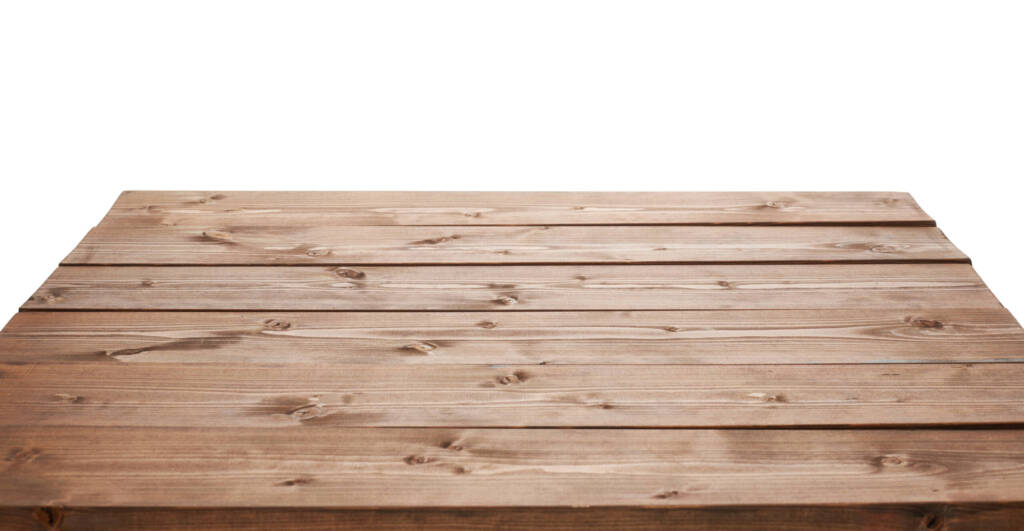
Wood is widely valued as a renewable and sustainable construction material, yet its inherent flammability continues to limit its safe application in many building contexts. To address this challenge, researchers have developed a novel halogen-free composite coating designed to enhance the fire resistance of wood while maintaining a sustainable material profile.
The coating formulation combines polyvinyl acetate (15 wt%) as the binder with biochar (0.5 wt%), kaolin (2 wt%) and trimethylsilyl polyphosphate (3 wt%) dispersed in methanol. The composite was prepared by solution blending and applied via single-layer drop-casting at a thickness of approximately 0.6 mm onto the wood surface.
Event Tip: Principles of Wood Coatings
Discover the key principles behind effective wood coatings and their role in protecting and enhancing wooden surfaces. Thise-learning tutorial will cover topics such as the chemistry of wood coatings, adhesion mechanisms, environmental considerations, and application techniques. Join in to deepen your understanding of this vital area.
Char yield and thermal stability significantly improved
A comprehensive characterisation programme employing ATR-FTIR, Raman spectroscopy, TEM, TGA/DTG/DSC, cone calorimetry and optical/3D surface analysis confirmed uniform filler dispersion, strong chemical interactions and enhanced thermal stability. The coated samples achieved a char yield of approximately 26 % at 800 °C, indicating the formation of a compact and protective char layer.
Lower heat release and smoke generation
Cone calorimeter testing demonstrated substantial improvements in fire performance. Total heat release decreased to 48.77 MJ/m² compared with 63.56 MJ/m² for uncoated wood, while the average heat release rate dropped to 80.82 kW/m² from 100.65 kW/m². The mass loss rate was also reduced to 6.558 g/s·m² versus 7.781 g/s·m² for the reference. Additionally, lower smoke volume rates and surface temperatures confirmed improved flame retardancy and smoke suppression. The findings demonstrate that this bio-based, halogen-free composite coating offers a promising and sustainable solution for enhancing the fire safety of wood in construction and interior applications.
Source: Kolya, H. et al., Sustainable flame-retardant composite coating for wood using biochar, kaolin, polyvinyl acetate, and trimethylsilyl polyphosphate. Progress in Organic Coatings, 110124 (2026).