News Coatings Technologies
Why low-gloss coatings need multi-angle colour measurement
A multi-angle spectrophotometer study shows that solid colours – not only effect pigments – display noticeable colour shifts with viewing angle. Researchers identify a critical gloss threshold around 40 GU, below which colour stability decreases sharply.
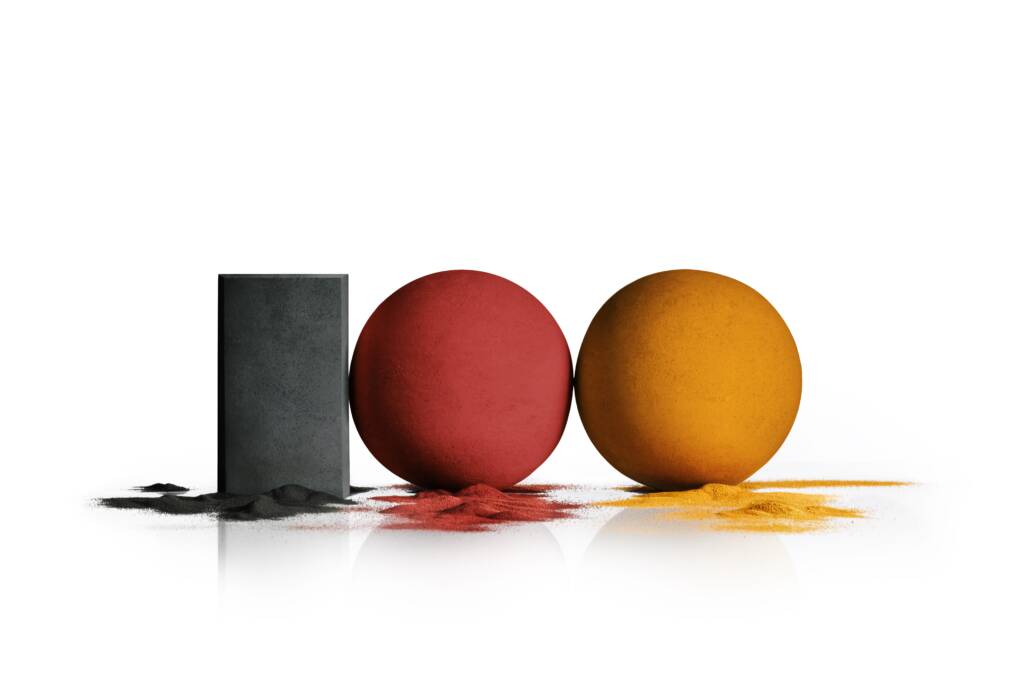
Goniochromatic effects are typically associated with effect pigments such as metallics or pearlescents. A new study by Ameri and Safi, however, demonstrates that conventional solid colours can also exhibit significant colour variation with viewing angle, particularly at lower gloss levels. Using a multi-angle gonio-spectrophotometer, the researchers analysed seven distinct hues – green, yellow, red, blue, grey, black and white – to ensure broad coverage of the colour space.
A total of 42 samples covering a range of gloss levels were prepared and characterised. The results revealed a strong inverse correlation between gloss and colour consistency across angles: the lower the gloss, the greater the colour shift observed when changing the viewing geometry.
Reading tip: Colour Technology of Coatings
Delve into the intricate world of color technology in coatings with “”Colour Technology of Coatings.“” Learn about color theory, pigment selection, tinting systems, and color measurement techniques. Gain insights into creating coatings with vibrant, durable, and aesthetically pleasing colors.
Critical gloss threshold around 40 GU
Darker and more saturated colours such as black and red showed considerably greater angular variability than lighter shades such as white and yellow. The authors identified a key gloss threshold of approximately 40 gloss units, below which colour stability declined sharply. Comparative analysis across multiple reference angles (20°, 45°, 75° and 110°) confirmed the robustness of these observations.
The findings challenge the widespread practice of evaluating solid colours from a single viewing angle and underline the need for multi-angle measurement protocols, especially for low-gloss surfaces. For industries with stringent colour quality requirements, the results provide a basis for refining specifications and measurement procedures to ensure consistent appearance across application conditions.
Source: Ameri, F. & Safi, M., Exploring gloss-dependent color shifts in solid samples: a multi-angle spectrophotometer analysis. Journal of Coatings Technology and Research 23, 1553–1564 (2026).