
Sustainability
News Coatings Technologies
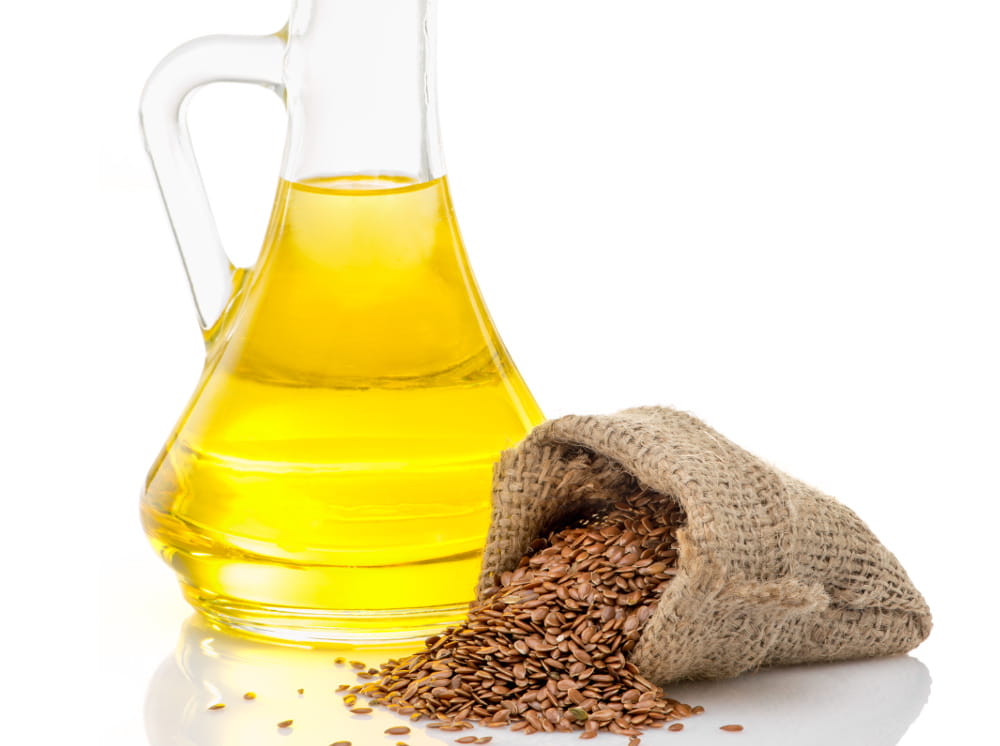
Bio-based multifunctional fatty acid methyl esters as reactive diluents
In a current paper epoxidized fatty acid methyl esters (e-FAMEs) obtained from epoxidized linseed oil were compared with fatty acid methyl esters (FAMEs) obtained from rapeseed oil as reactive diluents...

News Raw Materials
Sustainable paint is not only about bio-based raw materials
The Dutch paint and coatings producer Royal Van Wijhe Verf has been awarded with the prestigious title "Best For The World” for its high environmental standards and commitment to sustainability. We spoke...

News Raw Materials
Offensive for the transparency of ingredients in the construction industry
DSM, Giga, Toxnot and Chenyang Paint collaborate to advocate for ingredient transparency in the construction industry.

News Coatings Technologies
Superhydrophobic self-cleaning surface derived from rice-husk ash
In a present work, scientists report the development of durable and cost-effective nanocomposite coatings using silica particles derived from agricultural waste, rice-husk and different fractions of polydimethylsiloxane...

News Coatings Technologies
Bio-based reactive diluent derived from cardanol
A UV-curable cardanol-based monomer (ECGE) was prepared using cardanol and epichlorohydrin, followed by epoxidation of the unsaturation in alkyl side chains of cardanol segments.
News Application Areas
Anti-corrosive bio-coatings based on quercetin
In a present investigation "phytochemical” quercetin (QCT) loaded in silica nanocontainers as the natural organic inhibitor was utilised to obtain active anticorrosive coatings.
News Application Areas
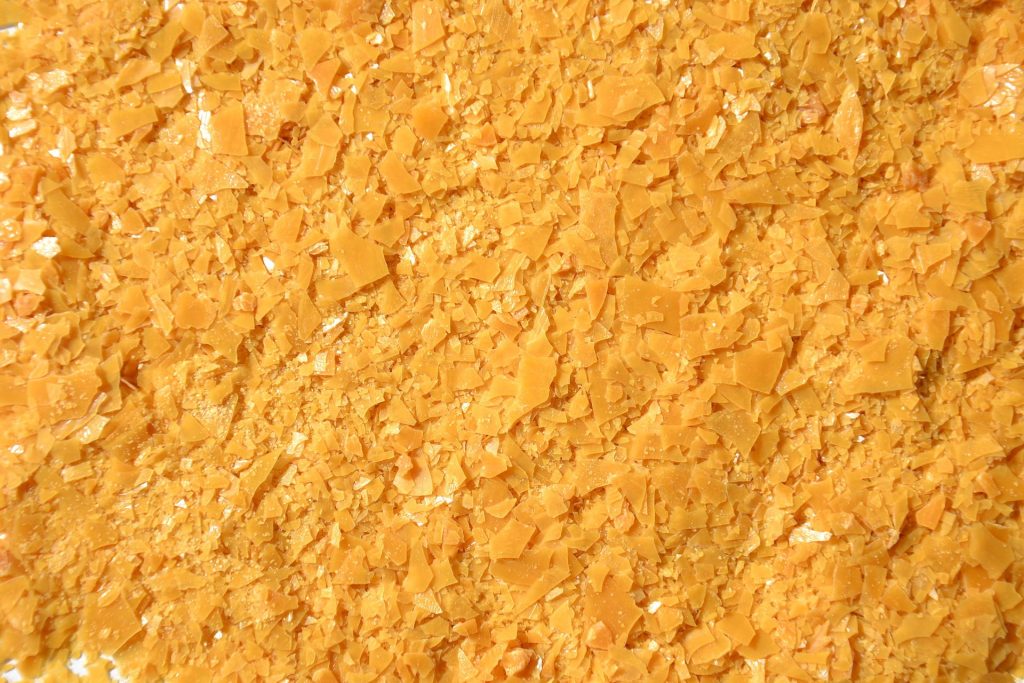
Superhydrophobic coatings made from polydimethylsiloxane and wax
Scientists recently reported the preparation of a composite suspension coating from biocompatible carnauba wax and polydimethylsiloxane, and demonstrated its superhydrophobicity and resistance to water...

News Application Areas
Fire retardant coatings: “Many raw materials you traditionally add actually bring you in the wrong direction”
Coatings play a crucial role to protect us from the devastation that fires can bring. However, developing coatings that can prevent or slow down a spreading fire is very challenging. We spoke with Jens...
News Application Areas
UV-curable alkyd coating with self-healing ability
The aim of a new study is to produce UV-curable alkyd coating with self-healing ability.
News Coatings Technologies
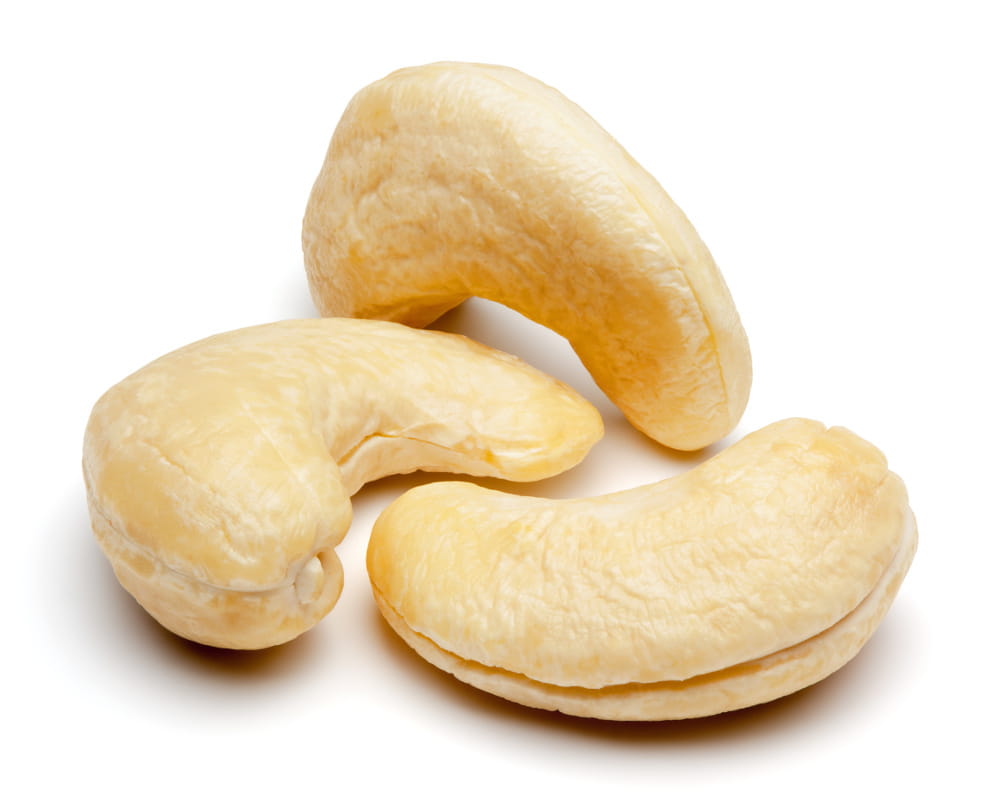
Synthesis of UV absorbers from cashew nut shell oil
An international team of scientists has successfully used cashew nut shell oil instead of crude oil in organic synthesis.

News Raw Materials
Brenntag plans the conversion of its legal form into Societas Europaea
Brenntag plans to convert its legal form from a German stock corporation (Aktiengesellschaft, AG) into a Societas Europaea (SE).

News Raw Materials
Bio-based coatings survey: “Prices will go down”
Bio-based raw materials for coatings have so far led a niche existence, but there are clear signs that this could change. We have asked you, our readers, how you see this. What is important and what difficulties...
News Coatings Technologies
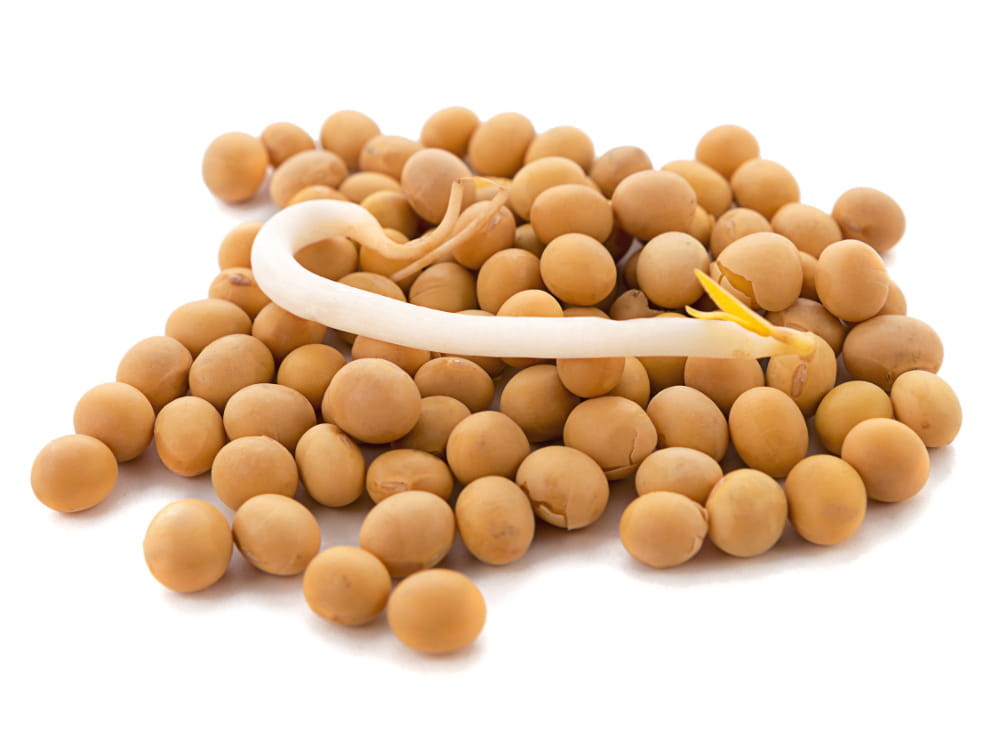
Acrylated epoxidised soybean oil-based UV-curable coating
In a new study, a series of highly functional acrylates containing a triazine ring as the rigid core and long fatty chains as soft arms were synthesised, these synthesised acrylates were then added to...

News Coatings Technologies
Synthesis of renewable and self-curable thermosetting hyperbranched polymers
In a recently published study, researchers prepared a renewable and self-curable thermosetting hyperbranched polymers (DSEHP-n) by a click reaction.