
Corrosion protection

News Coatings Technologies
Innovative nanocontainers enhance corrosion resistance in epoxy coatings
A novel composite epoxy coating featuring magnetic and pH-responsive nanocontainers demonstrates superior corrosion protection and self-healing properties, paving the way for advanced anticorrosion technologies....

News Coatings Technologies
Synergistic PEO and LDH pre-treatments enhance adhesion and corrosion protection on AA2024-T3
A combined surface treatment using plasma electrolytic oxidation (PEO) and in situ grown LDH conversion layers significantly improves the adhesion and corrosion protection of organic coatings on AA2024-T3...

News Coatings Technologies
Self-healing superhydrophobic LDH films enhance aluminium corrosion protection
Researchers report in situ ZnAl-LDH conversion layers on aluminium that self-heal via tungstate intercalation. After fluorosilane modification, the contact angle reaches 171 ° and protective efficiency...
News Coatings Technologies
Robust pH-responsive self-healing coating for magnesium alloys
A new double-layered coating system demonstrates how the synergy of tannic acid and cerium ions can significantly enhance the corrosion resistance of magnesium alloys.
News Coatings Technologies
Epoxy–resorcinol resin composite protects against corrosion and biofouling
Researchers have developed an epoxy system with resorcinol–formaldehyde resin (RF) that effectively prevents both corrosion and biofouling in marine environments.
News Coatings Technologies
Self-healing bio-based polybenzoxazine vitrimers for anticorrosion coatings
A novel coating system based on bio-based polybenzoxazine vitrimers combines hydrophobicity, corrosion resistance, and self-healing through dynamic disulphide bonds.
News Coatings Technologies
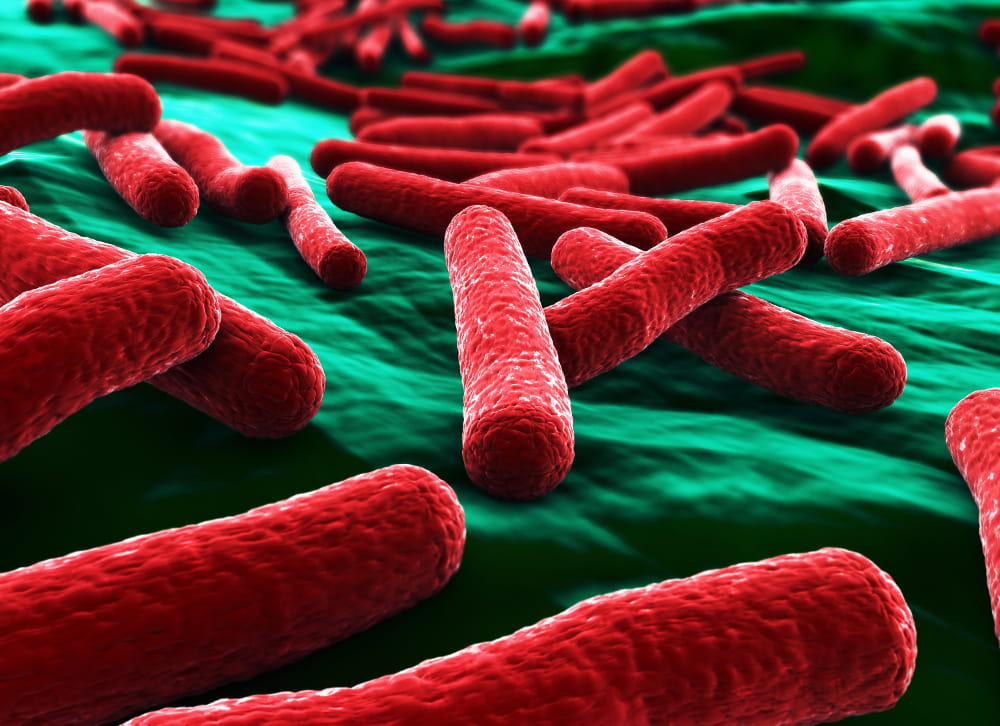
Superhydrophobic nanocomposite coating combines anticorrosive and antibacterial functions
New research demonstrates that ceria-doped cardanol polyurea coatings provide an exceptional combination of corrosion resistance and antibacterial performance.

News Coatings Technologies
Novel polydopamine-copper coating enhances corrosion resistance and blood compatibility of zinc
Researchers have developed a polydopamine coating enriched with Cu(II) ions that significantly improves the corrosion resistance and haemocompatibility of biodegradable zinc. The findings could support...

News Coatings Technologies
Smart corrosion protection: New epoxy coating with self-healing carbon nanotube-based nanocarriers
Zinc- and sodium gluconate-modified carbon nanotubes enhance the barrier performance and provide effective self-healing properties for a new epoxy coating.

News Coatings Technologies
Two-dimensional nanocontainers enhance long-term corrosion protection of water-borne epoxy coatings
Integrating mesoporous polypyrrole-coated g-C₃N₄ nanosheets into water-borne epoxy resins significantly extends and improves corrosion protection.

News Coatings Technologies
Hyperbranched polyester polyols improve PU coatings in corrosion tests
A new synthesis process for hyperbranched polyester polyols based on neopentyl glycol is showing promising results for use in polyurethane coatings with increased chemical and corrosion resistance.

News Coatings Technologies
Self-healing coating enhanced by attapulgite (ATP) functionalised MXene with inhibitor integration
Improved self-healing combined with improved mechanical and adhesives properties have been achieved by grafting ATP nanorods on NH2-Ti3C2Tx nanosheets. The combination of two types of inhibitors promotes...
News Production & Lab
New review: Smart MSN containers for corrosion inhibitors
A new review summarises the structure and properties of mesoporous silica nanoparticles (MSN) as smart containers corrosion Inhibitors.
News Application Areas
Efficient acrylic-based coating for corrosion protection utilising surface modified ZnO nanoparticles
Modified ZnO nanoparticles proved their performance on aluminium substrates in acrylic based coatings.