News Coatings Technologies
Superhydrophobic nanocomposite coating combines anticorrosive and antibacterial functions
New research demonstrates that ceria-doped cardanol polyurea coatings provide an exceptional combination of corrosion resistance and antibacterial performance.
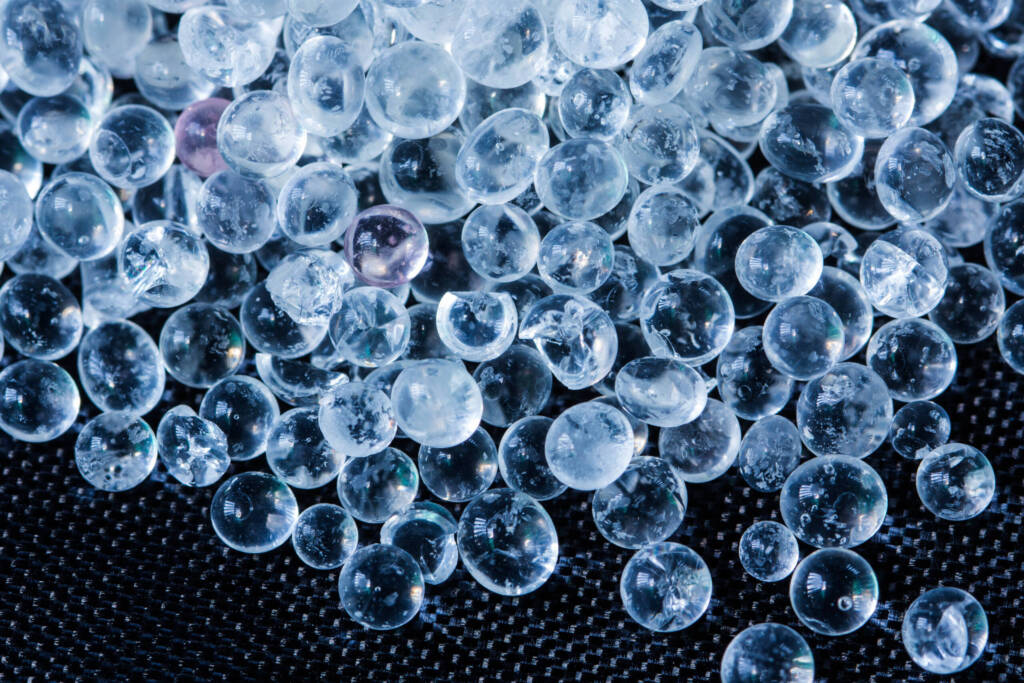
An international team of researchers has developed novel nanocomposite coatings based on cardanol polyurea doped with 1–5 % ceria nanoparticles. The synthesis employed an innovative solvent-free process, resulting in a sustainable fabrication route. Uniform distribution of ceria nanoparticles (12–20 nm) within the polyurea matrix led to improved thermal stability, mechanical strength, and hydrophobicity.
The resulting coating exhibited a contact angle of 150–155°, confirming its superhydrophobic character. Mechanically, the system achieved 100 % adhesion, 6H pencil hardness, high impact resistance, and a scratch hardness of 3.2 kg. Electrochemical impedance spectroscopy demonstrated a corrosion protection efficiency of 96 % over 18 days.
Reading tip: Functional Coatings
The EC Tech Report “Functional Coatings” gives you an up-to-date bundle on functional coatings with articles, videos and other handpicked content. In addition to technical articles about the latest technical developments, this all-in-one multi-media pack is rounded off with valuable market insights and important fundamentals about functional coatings formulation.
Dual action: corrosion and bacteria protection
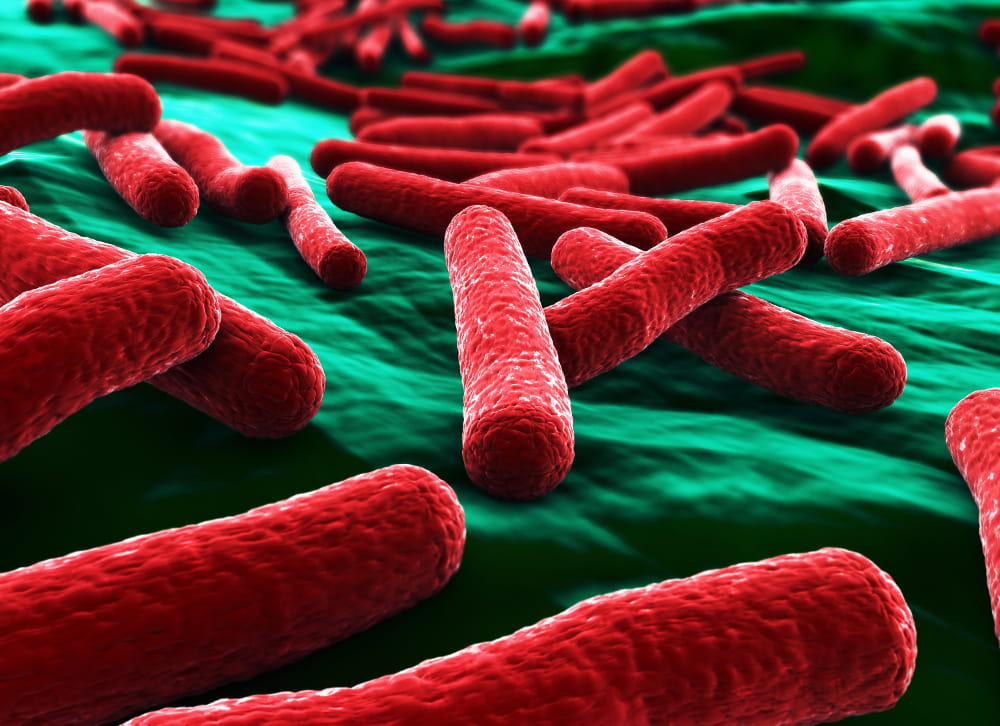
In addition to long-lasting anticorrosive performance, the coatings also showed antibacterial activity against Gram-positive bacteria such as Bacillus subtilis. This makes the novel nanocomposites suitable for industries requiring both corrosion resistance and antimicrobial functionality – including marine applications, infrastructure, and medical technology.
Source: Jahan, A. et al., Synthesis and characterization of superhydrophobic ceria doped cardanol polyurea nanocomposite coatings with robust anti-corrosive and antibacterial properties. Prog. Org. Coat. 203, 109167 (2025).