News Coatings Technologies
Curcumin-grafted nanocomposite enables long-lasting marine coating
Researchers have developed a marine antifouling coating that combines curcumin-grafted silica nanoparticles with a PDMS matrix using RAFT polymerisation. The coating demonstrated stable antifouling performance over a 180-day real-sea field test, offering a non-toxic alternative for protecting marine infrastructure.
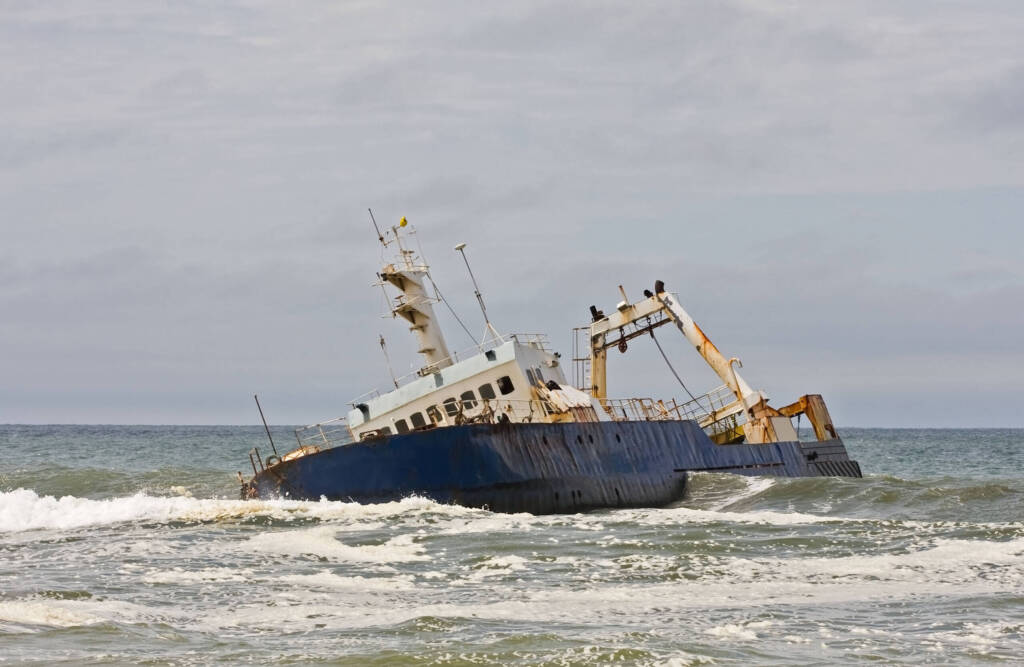
Marine biofouling causes significant economic losses and accelerates the degradation of submerged infrastructure, driving the search for non-toxic, environmentally compatible coating solutions. A recent study presents a novel approach that integrates the natural broad-spectrum antibacterial molecule curcumin (Cur) into a silicone-based coating system through reversible addition-fragmentation chain transfer (RAFT) polymerisation.
The researchers grafted curcumin together with the hydrophilic monomer N-vinylpyrrolidone (NVP) onto xanthate-functionalised silica nanoparticles. These modified particles were subsequently incorporated as active fillers into a hydroxy-terminated polydimethylsiloxane (PDMS) matrix, yielding the coating labelled PDMS/SiO2-X.
Synergistic antifouling mechanism
The coating combines three complementary antifouling strategies: self-polishing behaviour, static biocidal action through the sustained release of curcumin via hydrolysis of ester bonds, and dynamic fouling release enabled by the low surface energy of the PDMS substrate. NVP units additionally form a hydration layer that resists protein adhesion, while the modified silica fillers improve the mechanical robustness of the coating system.
Reading tip: Corrosion protection coatings
The book “Anticorrosive Coatings: Fundamentals and New Concepts” brings together all the disciplines involved in the creation and use of corrosion protection coatings for metals. It presents the latest insights into the quality and chemistry of surfaces, the proper way to prepare them by conversion treatment, the function of resins and anticorrosion pigments in paints, and novel concepts in corrosion protection. As an added bonus, all the standards and directives mentioned in the text are grouped together in their own chapter for a better overview.
Long-term field validation
The antifouling performance was verified in a 180-day real-sea field test, during which the coating maintained stable protection against biofouling. The authors highlight that the synergy between the elastic silicone matrix, the active curcumin payload and the hydrophilic NVP units provides a durable, low-toxicity alternative to conventional biocidal coatings. The work offers a promising direction for developing efficient and environmentally friendly marine antifouling systems based on natural product chemistry and controlled polymerisation techniques.
Source: Lei, X.-Y. et al., Engineering long-lasting marine antifouling coatings with curcumin-grafted SiO2/PDMS nanocomposites via RAFT polymerization. Progress in Organic Coatings, 110116 (2026).