News Coatings Technologies
Nacre-inspired coating combines cooling and corrosion protection
Researchers have developed a nacre-inspired composite coating for aluminium alloys that combines passive radiative cooling with strong corrosion protection. The layer-by-layer assembled system achieves a 12.7 °C temperature drop outdoors and maintains high impedance after 60 days in saline conditions.

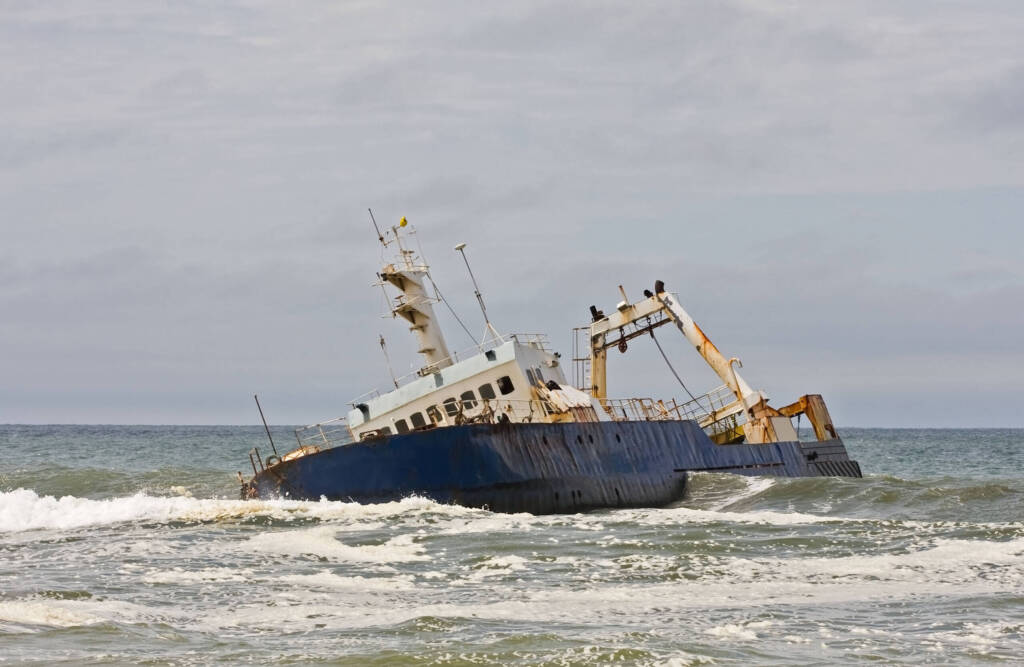
Aluminium alloys used in marine engineering are simultaneously exposed to solar radiation-induced thermal loading and chloride-rich atmospheres that promote corrosion. Addressing both challenges within a single coating system has proven difficult. A recent study introduces a nacre-inspired composite coating that combines passive radiative cooling with anticorrosive performance, developed to enhance the durability of aluminium components in coastal environments.
The coating consists of two functional layers. The bottom emission layer is constructed by layer-by-layer (LbL) assembly of cationic chitosan containing dispersed boron nitride nanosheets (BN@CS) alternated with anionic poly(sodium 4-styrenesulfonate) (PSS). This architecture mimics the layered structure of natural nacre, creating an extended, tortuous path that impedes the diffusion of corrosive species. A top reflective layer composed of TiO₂ nanoparticles dispersed in a fluorocarbon (FEVE) resin completes the system.
Event tip:
The Sustainable Coatings Conference, which takes place on 3 – 4 November 2026 in Amsterdam, Netherlands, will provide practical insights into low‑carbon technologies, circular economy approaches, bio‑based and water‑based systems, and robust assessment methods such as LCA and mass balance. Learn how the industry is responding to regulatory pressure, customer expectations, and material constraints – and how sustainability can become a measurable business advantage rather than a compliance burden.
Long-term corrosion protection and outdoor cooling
Electrochemical impedance spectroscopy (EIS) confirmed the strong barrier performance of the optimised C-40 coating. After 60 days of immersion in a 3.5 wt.-% NaCl solution, the low-frequency impedance modulus (|Z| at 0.01 Hz) reached 4.66 × 10¹⁰ Ω·cm², approximately four to five orders of magnitude higher than that of a conventional FEVE coating. This clearly demonstrates the effectiveness of the nacre-like tortuous path in extending the service life of the coating.
At the same time, the high refractive index of TiO₂ ensures efficient scattering of sunlight in the 0.3 to 2.5 µm range, while the hexagonal boron nitride (h-BN) nanosheets provide a high, selective thermal emissivity of approximately 88 % within the atmospheric transparency window from 8 to 13 µm. This synergistic optical design enabled an outdoor temperature reduction of 12.7 °C compared with the reference. The authors conclude that combining nacre-like architectures with functional pigments offers a promising route to develop multifunctional protective coatings that meet the demands of harsh marine environments.
Source: Wang, Y. et al., A nacre-like polyelectrolyte coating for simultaneous radiative cooling and corrosion protection. Progress in Organic Coatings (2026). https://doi.org/10.1016/j.porgcoat.2026.110302