News Markets & Companies
Evonik to close two German sites as part of production consolidation
Evonik plans to close its Hamburg and Bitterfeld sites in Germany by 2027, concentrating production at larger locations. Around 90 employees are affected as the company seeks to reduce costs and strengthen competitiveness.
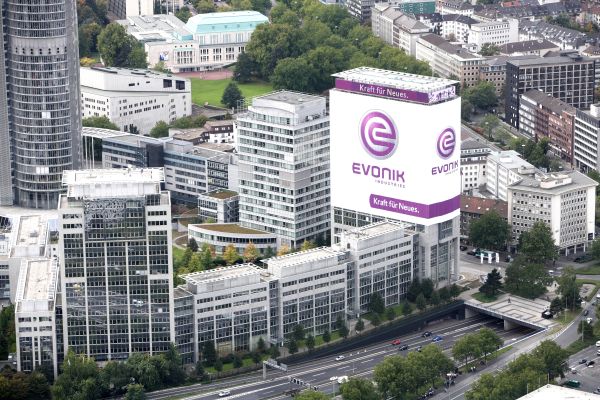
Evonik has announced plans to close two smaller sites in Germany – Hamburg and Bitterfeld – as part of a broader effort to consolidate its production structures. The closures will affect approximately 90 employees in total. The company has stated that the businesses currently run at both sites will continue, relocated to larger German facilities.
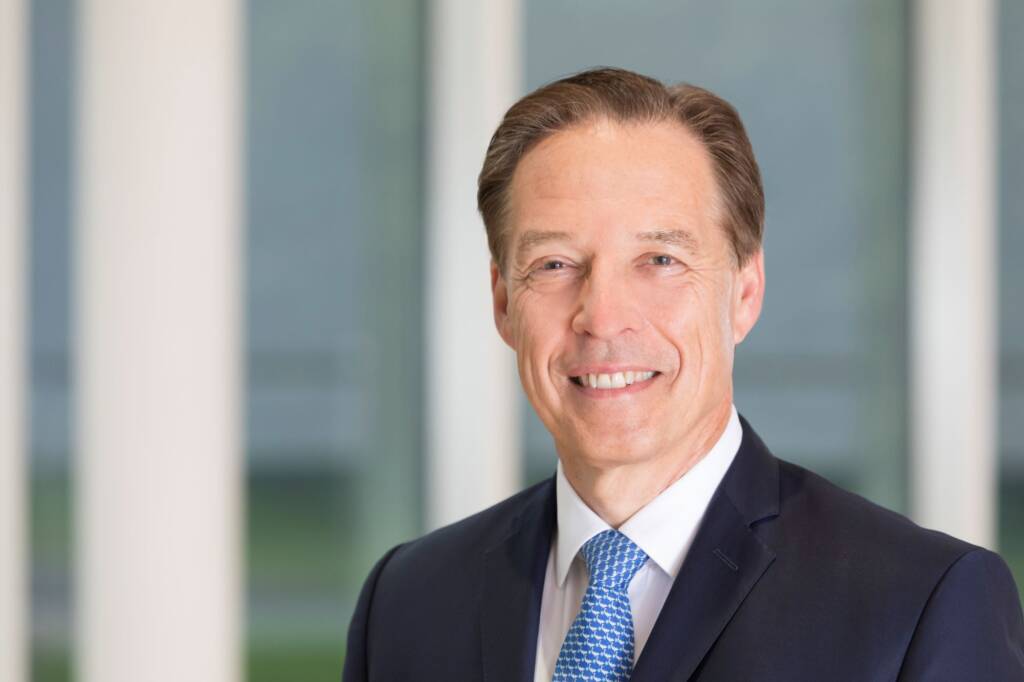
At the Hamburg site, around 50 employees currently produce goods for the cosmetics and personal care industry. The site is scheduled to close by mid-2027. Operations will be transferred to Evonik’s larger site at Essen-Goldschmidtstrasse, which already serves as a major location for the Care Solutions business line. Claus Rettig, interim Chairman of the Executive Board of Evonik, cited fragmented production, administration, and laboratory structures as a key driver of the decision: “Our structures when it comes to production, administration, and laboratories are too fragmented in some areas. This leads to unnecessarily high costs and weakens our competitiveness.”
Bitterfeld chlorosilane production to end in April 2027
The Bitterfeld site, where around 40 employees produce chlorosilanes, is scheduled to close at the end of April 2027. The decision follows persistently challenging market conditions for high-purity silicon tetrachloride, including increasing supply from Asia and sustained competitive pressure. Emmanuel Auer, head of the Smart Effects business line, which includes the chlorosilane business, stated: “We are aware of the importance of the site for our employees and for the region. At the same time, we have the responsibility to ensure the long-term competitiveness of our business.” Following the closure, customer supply will be maintained primarily through Evonik’s Rheinfelden site in southern Germany.
Evonik evaluated several alternatives for Bitterfeld, including alternative operating concepts, capacity reductions, mothballing, and a potential sale of the site. According to the company, none of these options offered a sustainable long-term economic perspective.
Socially acceptable solutions to be negotiated with employee representatives
Maximilian Morin, responsible for the Care Solutions business line, acknowledged the impact of the Hamburg closure on the workforce: “The decision was made after intensive evaluations of various options and represents the best solution for the successful development of the business.” In the coming months, Evonik and employee representatives at both sites will negotiate solutions for the staff affected. Hussin El Moussaoui, Chairman of the General Works Council, emphasised the importance of transparency: “It is important for us to communicate the necessary changes transparently at an early stage. This creates clarity and gives us the necessary time to work together toward viable and socially acceptable solutions for all affected.“