
Coatings Technologies

News Coatings Technologies
Self-healing polythiourethane coating enables durable ice removal
A dynamic polythiourethane coating with reversible thiourethane bond exchange achieves low interfacial toughness for efficient ice detachment and fully restores its anti-icing performance after damage...
News Coatings Technologies
Review charts path to smarter self-warning coatings
A new review traces the evolution of corrosion indicator loading strategies in self-warning anticorrosive coatings – from simple physical doping to advanced microencapsulation and nanocarrier systems...
News Coatings Technologies
Bioinspired hair-like coating achieves 9 °C radiative cooling
A bilayer surface inspired by insect hair structures combines high solar reflectance with strong mid-infrared emissivity, delivering a temperature reduction of approximately 9 °C through passive daytime...
News Coatings Technologies
Review examines blowing agents for intumescent coatings
A new review systematically evaluates the role of chemical and physical blowing agents in intumescent fire protective coatings, highlighting the urgent need for alternatives to melamine following its recent...

News Coatings Technologies
Review surveys eco-friendly coatings from chemistry to use
A comprehensive review examines the current state of sustainable coating technologies – including water-borne, powder, high-solid, radiation-curable and bio-based hybrid systems – highlighting both...
News Coatings Technologies
Review maps silica’s expanding role in smart anticorrosion coatings
A comprehensive review examines recent advances in silica-based nanomaterials for metal anticorrosion coatings, covering synthesis, surface functionalisation and application as barrier fillers, active...
News Coatings Technologies
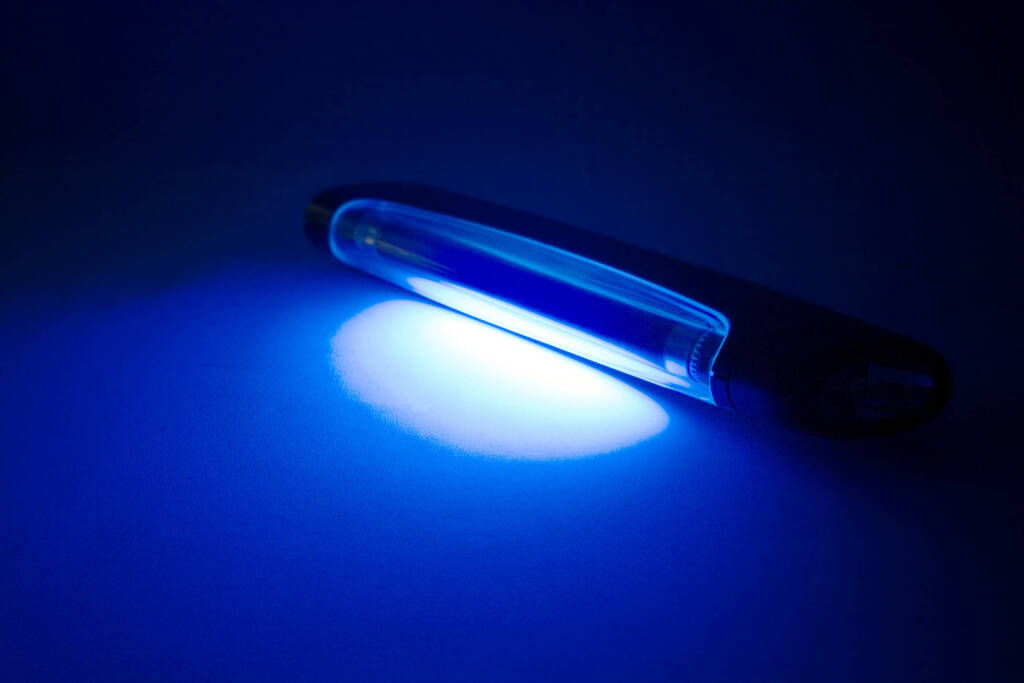
Bio-based UV-curing coatings achieve tunable high performance
UV-curable coatings formulated from plant-derived acrylate monomers achieve up to 82 % bio-based content while delivering tunable mechanical properties, high optical clarity and strong wear resistance...

News Coatings Technologies
Water-borne polyurethane coatings approach solvent-borne durability on steel bridges
A long-term comparative study including three years of outdoor marine exposure finds that commercial water-borne polyurethane coating systems approach the anticorrosive performance of conventional solvent-borne...

News Coatings Technologies
Pure water immersion proposed for faster coating screening
A study on the effect of NaCl concentration on anticorrosive coating performance reveals that high salt levels inhibit oxygen transport through dense coatings, potentially masking true barrier quality...
News Coatings Technologies Raw Materials
Lignin-based epoxy resins approach viability for metal coatings
Researchers have developed fully lignin-based epoxy resin systems for metal coating applications that deliver reliable adhesion, impact resistance and durability – positioning depolymerised lignin as...

News Coatings Technologies
Nano-MoS₂-PEG coating cuts friction on steel by 66 %
A nano-MoS₂-PEG6000 modified epoxy resin coating applied to stainless steel reduces friction coefficients by 66.4 % and wear rates by 99.2 % under water-lubricated conditions, offering a promising surface...

News Coatings Technologies
Zwitterionic coating cuts biofilm on medical devices by 85 %
A novel catechol-based zwitterionic polymer coating combined with ε-polylysine demonstrates strong antibacterial and antifouling performance on medical device surfaces, inhibiting biofilm formation by...

News Coatings Technologies
Bio-based anticorrosive coatings from pig manure
German paint manufacturer Oellers and Niederrhein University of Applied Sciences are developing a process to extract phytic acid from pig manure and use it as a bio-based functional component in anticorrosive...
News Coatings Technologies
Fruit waste-based coating improves paper packaging barriers
Researchers have developed an active bio-based coating from jackfruit seed starch, beeswax and pomelo peel extract that significantly enhances the barrier, mechanical and antioxidant properties of wrapping...