News Coatings Technologies
New ceramic fire protection for wood: Organic-inorganic hybrid coating developed
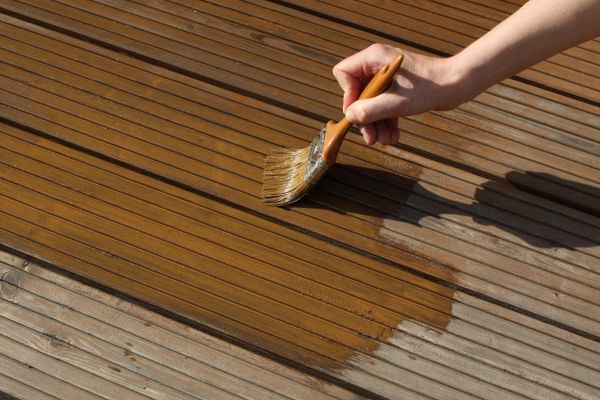
A novel organic-inorganic intumescent coating offers effective fire protection for wood surfaces and significantly reduces smoke production.

A research team led by Chao Yan has developed a new organic-inorganic intumescent coating to enhance the fire safety of wood. The coating is based on a modified amino resin (PMFG) that reacts with tannic acid (TA) and phytic acid (PA) to form a nitrogen- and phosphorus-containing resin (PTP). In addition, glass powders (GPs) or silica (SiO₂) were incorporated to create a hybrid protective layer. The coating is applied to wood surfaces following a specific sequence.
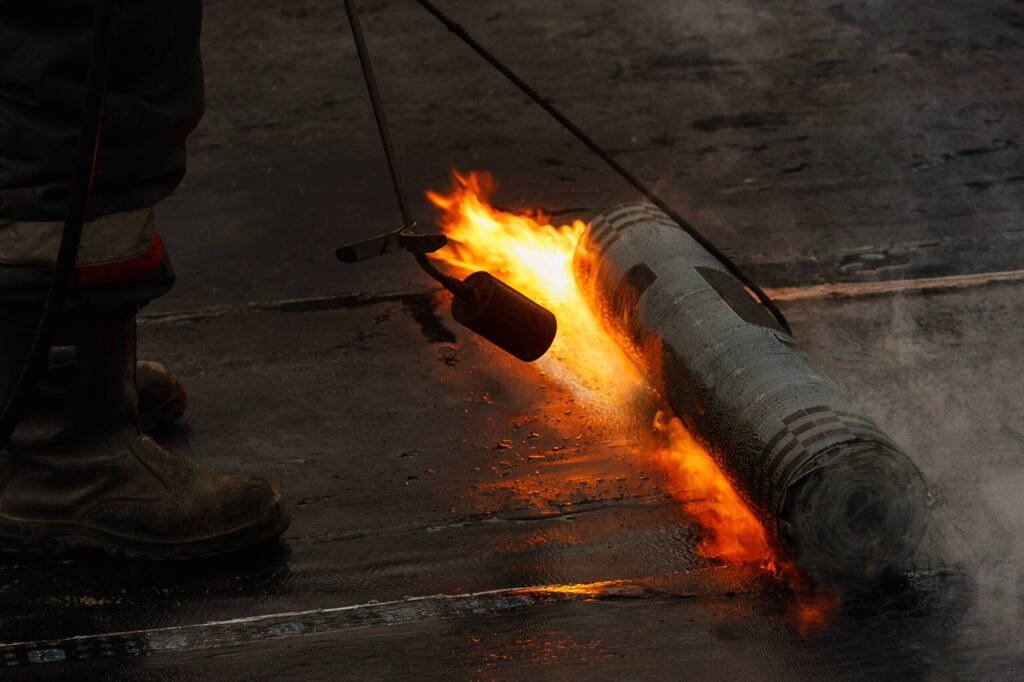
Upon flame exposure, the coating forms a lava-like ceramic char layer that effectively protects the underlying wood. Fire performance tests demonstrated excellent fire retardancy (LOI = 49.8), and the total heat release (THR), total smoke production (TSP) and carbon monoxide production rate (Pco) were reduced by 78.77 %, 78.88 % and 41.67 %, respectively, compared to the pure PTP coating.
Reading tip: Functional Coatings
The EC Tech Report “Functional Coatings” gives you an up-to-date bundle on functional coatings with articles, videos and other handpicked content. In addition to technical articles about the latest technical developments, this all-in-one multi-media pack is rounded off with valuable market insights and important fundamentals about functional coatings formulation.
Mechanism of action in gas and condensed phase
The researchers also propose a mechanism explaining the coating’s effectiveness: it inhibits the formation of free radicals in the gas phase and creates a protective ceramic layer in the condensed phase. This newly developed coating provides a cost-effective and efficient strategy to significantly improve the fire safety of wood in modern construction.
Source: Progress in Organic Coatings, Volume 200, March 2025, 109037