News Markets & Companies
BASF modernises acid chloride and chloroformate plant in Ludwigshafen, boosting capacity and cutting carbon footprint
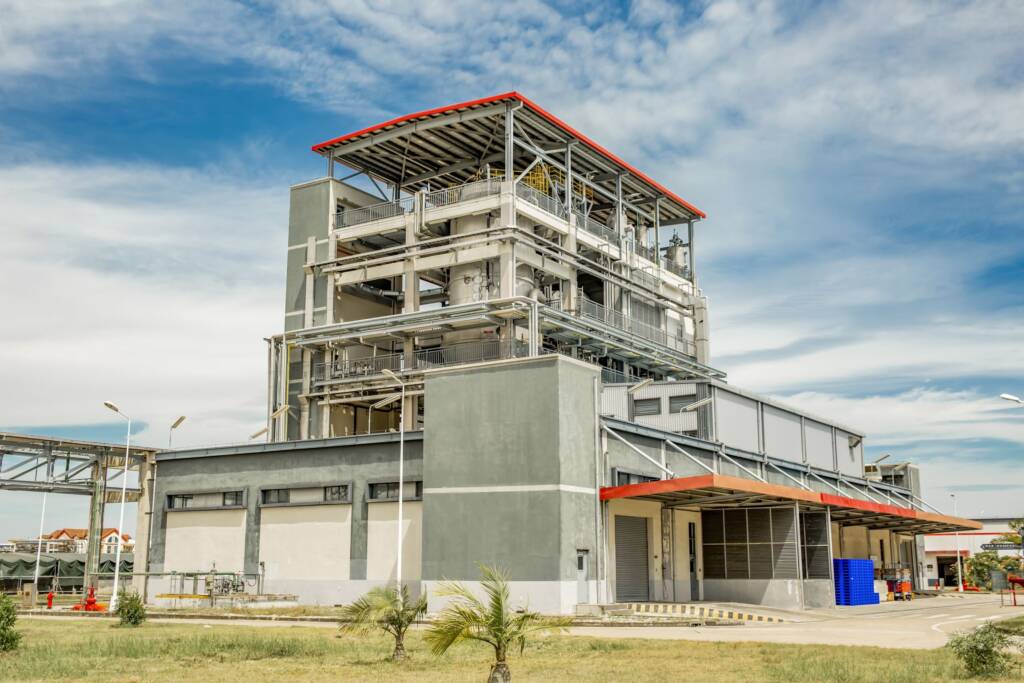
BASF has officially inaugurated a fully modernised production plant for acid chlorides and chloroformates at its Ludwigshafen site. The investment increases production capacity by around 30 % and reduces the product carbon footprint by an average of 19 %, with applications spanning coatings, pharmaceuticals, and crop protection.
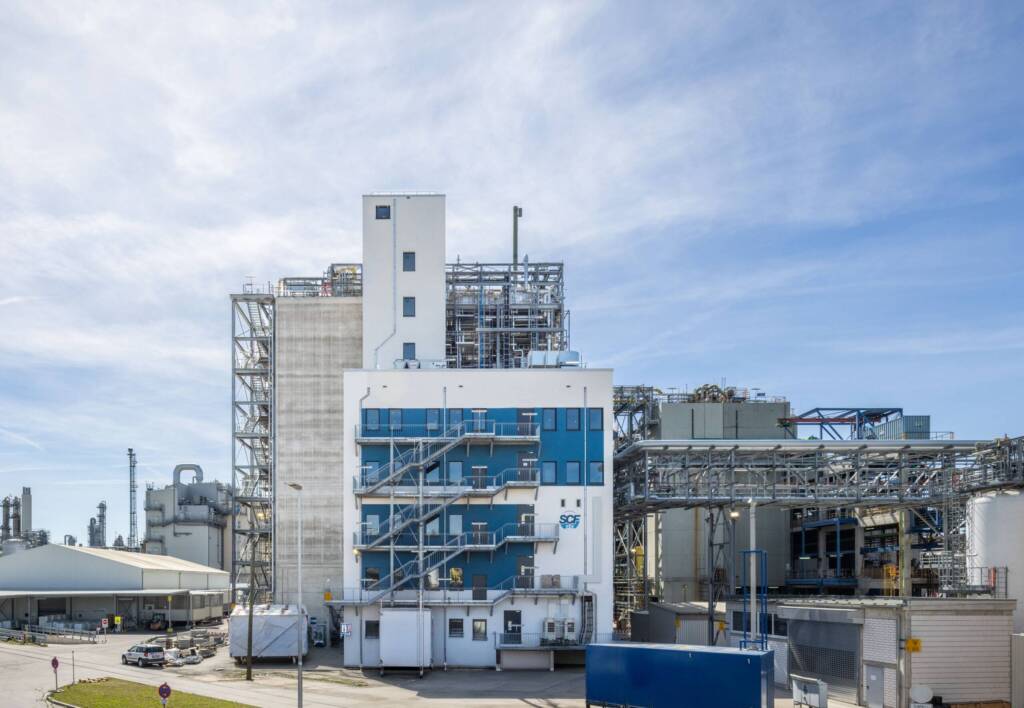
BASF has officially inaugurated its fully modernised plant for the production of acid chlorides and chloroformates at its Ludwigshafen Verbund site in Germany. The investment, amounting to a low three-digit million-euro sum, represents a significant upgrade of the production infrastructure and increases capacity at the site by approximately 30 %. BASF states it is one of the world’s leading manufacturers of these products, with production facilities in Ludwigshafen and Yeosu, South Korea.
The modernised plant is designed to combine increased production capacity with improved sustainability performance and long-term supply reliability for customers worldwide. Since 2025, BASF has produced its entire Ludwigshafen portfolio of around 25 acid chlorides and chloroformates using renewable electricity credits, covering all upstream raw material processes. This transition has reduced the portfolio’s product carbon footprint by an average of 19 %, without changes to product specifications, certifications, or ordering processes.
Coatings among key application areas for expanded production
Acid chlorides and chloroformates serve as essential chemical building blocks across a wide range of value chains. Customers use them in applications including pharmaceuticals, crop protection products, organic peroxides, coatings, plastics, and rubber mixtures. The expanded capacity is intended to help BASF meet growing global demand whilst ensuring reliable supply of these intermediates.
Mary Kurian, Member of the Board of Executive Directors of BASF SE, commented on the inauguration: “The opening of this modernized plant demonstrates BASF’s commitment to investing in competitive and sustainable production assets at our Ludwigshafen Verbund site and in Europe. By combining increased capacity, supply reliability and a significantly reduced product carbon footprint, we are creating value for our customers and supporting their green transformation.”
Sustainability strategy and Scope 3 emission reductions
The use of renewable electricity credits supports customers in advancing their Scope 3 emission-reduction efforts, a factor of increasing relevance across the coatings and chemicals supply chain. BASF emphasises that the transition requires no adjustments to product specifications, certifications, or ordering processes on the part of customers.
Ketan Joshi, President of BASF’s Intermediates division, added: “This investment strengthens our position as one of the world’s leading suppliers of acid chlorides and chloroformates and supports our vision of being the preferred partner for sustainable intermediates. The modernized plant further supports our ability to provide reliable supply and consistent quality to customers around the world who depend on these essential intermediates.”