News Coatings Technologies
Reversible adhesion in UV-cured coatings via disulfide bonds
Researchers have developed UV-cured coatings that combine strong adhesion with on-demand removability by combining substrate silanisation with dynamic disulfide chemistry. The photoinitiator-free system offers new possibilities for recyclable coatings and sustainable packaging solutions.
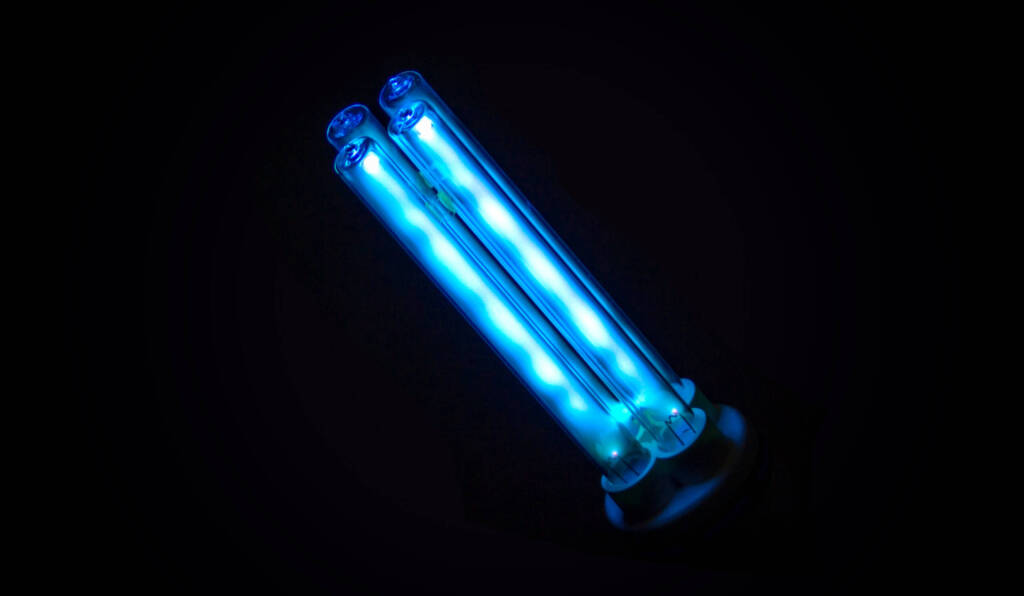
A research team has introduced a strategy for controlling the adhesion of photocured coatings by combining substrate silanisation with dynamic disulfide interfacial chemistry. The approach yields photoinitiator-free coatings that simultaneously deliver strong adhesion and controlled removability by exploiting the reversible nature of disulfide bonds. A disulfide-functionalised polyurethane diacrylate (DSPDA) served as the photocurable monomer, while bis[3-(triethoxysilyl)propyl] tetrasulfide (TESPT) was used to introduce disulfide functionalities at the substrate interface via silanisation.
The DSPDA monomer underwent efficient self-photopolymerisation under UV irradiation without any photoinitiator, reaching a conversion of approximately 95 % within 150 s. Coating performance was systematically evaluated on glass, polyethylene terephthalate (PET) and polyethylene (PE) substrates. No adhesion was observed on non-functionalised substrates, confirming the essential role of interfacial silanisation.
Thermal activation enhances interfacial bonding
Post-curing thermal treatment activated disulfide metathesis, promoting bond rearrangement at the interface and enhancing coating adhesion. Optimised conditions achieved adhesion levels of 4 A for silanised glass (150 °C, 60 min) and 5 A for PET and PE substrates (90 °C, 30 min). Lap shear testing confirmed the improvement in interfacial strength resulting from thermally activated disulfide exchange.
Reading tip: Radiation Curing
Explore the transformative technology of radiation curing in coatings with “”Radiation Curing“”. Learn about UV and electron beam curing processes, their advantages, and applications across various industries. Discover how radiation curing enhances coating efficiency, durability, and sustainability.
On-demand removal via targeted stimuli
The reversible nature of the disulfide bonds enabled controlled coating removal under specific stimuli. Complete detachment was achieved on glass at 140 °C under acidic conditions (pH 3), while PET and PE coatings were removed using glutathione (GSH) as a reducing agent under ultrasonic agitation. The results demonstrate that disulfide-based dynamic covalent networks, combined with substrate silanisation, offer an effective route for designing UV-cured coatings with reversible adhesion and recyclability, opening new opportunities for sustainable surface technologies and circular material design, particularly for multilayer packaging systems where end-of-life separation remains a persistent challenge.
Source: Akram, A. et al., Tunable adhesion of UV-cured coatings via silanization-enabled dynamic disulfide interfacial bonding. Progress in Organic Coatings (2026). https://doi.org/10.1016/j.porgcoat.2026.110210