News Coatings Technologies
Review examines blowing agents for intumescent coatings
A new review systematically evaluates the role of chemical and physical blowing agents in intumescent fire protective coatings, highlighting the urgent need for alternatives to melamine following its recent toxicity reclassification and identifying promising bio-based and inorganic candidates.
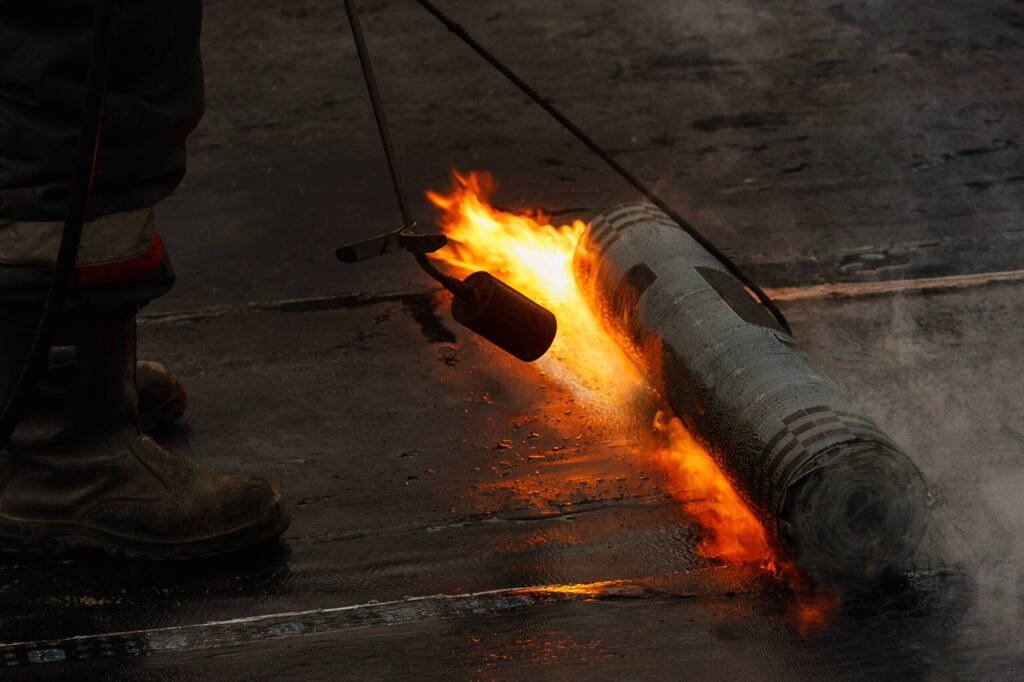
Blowing agents are a critical yet often underexplored component of intumescent fire protective coatings, governing their ability to expand and form an effective thermal barrier upon heat exposure. Despite decades of research into intumescent systems, the mechanistic understanding and systematic evaluation of blowing agents have frequently been neglected. A new open-access review now addresses this gap comprehensively.
The review covers the decomposition behaviour, gas evolution characteristics and interactions of blowing agents with acid and carbon sources, emphasising how these factors control expansion kinetics, char morphology and ultimately fire resistance. The scope spans nitrogen-rich compounds such as melamine, urea, glycine and guanidine, as well as solid-expandable materials including expandable graphite, alkali silicates and minerals.
Reading tip: Functional Coatings
The EC Tech Report “”Functional Coatings“” gives you an up-to-date bundle on functional coatings with articles, videos and other handpicked content. In addition to technical articles about the latest technical developments, this all-in-one multi-media pack is rounded off with valuable market insights and important fundamentals about functional coatings formulation.
Melamine’s toxicity classification drives search for alternatives
Melamine has long served as the benchmark blowing agent due to its thermal compatibility and high gas yield. However, its recent toxicity classification has made the identification of safer replacements an urgent priority for formulators. The review notes that research interest in blowing agents has increased significantly in recent years, driven largely by the broader push towards alternative, sustainable intumescent systems.
A comparative analysis of the available options reveals several emerging candidates. Bio-based compounds such as phytic acid and glycine, as well as inorganic particles including expandable graphite and alkali silicates, offer promising routes towards lower-toxicity and more sustainable formulations. Each alternative presents distinct trade-offs in terms of gas yield, decomposition temperature and compatibility with other intumescent ingredients.
Systematic investigation urged
The authors call on researchers to adopt a more systematic approach to investigating blowing agent performance, arguing that a deeper mechanistic understanding is essential for the rational design of next-generation intumescent coatings. As regulatory pressure on established ingredients intensifies, the review provides a timely and structured reference for formulators seeking to reformulate fire protective coatings without compromising performance.
Source: Ahmadi, H. et al., Blowing agents and solid-expandable particles in fire protective coatings: A review. Progress in Organic Coatings 110054 (2026).