News Coatings Technologies
Balancing mechanical and thermal properties in epoxy-based solder resists with polyurethane-polyimide hybrids
A novel molecular design integrates rigid imide backbones with flexible polyurethane segments, achieving exceptional mechanical strength, thermal stability, and flexibility in solder resist materials.
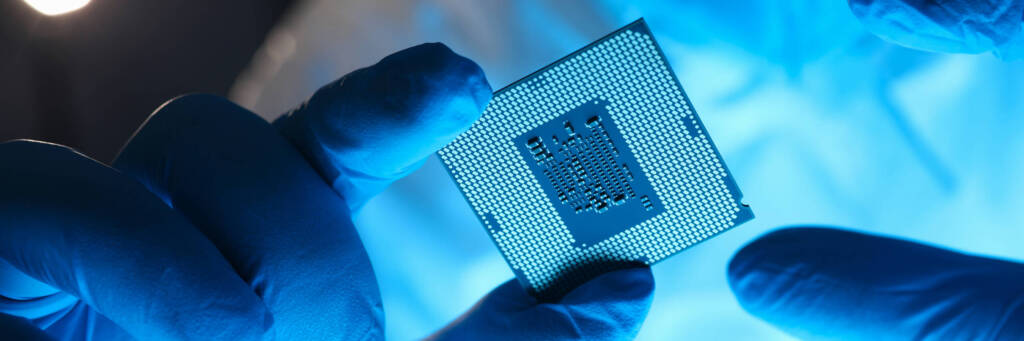
Researchers have developed a polyurethane–polyimide (PI-PU) oligomer that resolves the long-standing trade-off between thermal stability and flexibility in epoxy-based solder resist (SR) materials. By combining rigid imide domains with flexible urethane segments, the hybrid system achieves a balanced structure and outstanding overall performance.
The study synthesised PI-PU containing C=C double bonds, urethane linkages, and imide units, alongside an alkali-soluble epoxy acrylate resin (PE-1) with tailored acid values. Adjusting the ratio of PI-PU to PE-1 enabled precise control of crosslink density and interfacial interactions within the SR matrix. The system demonstrated exceptional performance metrics, including tensile strength of 94.3 MPa, glass transition temperature (Tg) of 186 °C, thermal stability (T5%) at 369 °C, and elongation of 5.8 %.
Reading tip: Additives for water-borne coatings
Water-borne systems are the coatings of the future. The market is developing an insatiable appetite for ecologically sound coatings based on renewable raw materials. The demands on coating performance are at least as high as those on environmental compatibility. Additives help to protect the environment by effectively reducing the use of organic solvents. Many of today’s water-borne coatings could not be formulated without them. When incorporated into water-borne paints, coatings and printing inks, they enhance both the production process and the performance of the applied inks and coating materials. “”Additives for Water-borne Coatings“” is a must read for formulators wishing to brush up on water-borne coating systems, as well as experts seeking to have detailed knowledge at their finger tips.
Synergistic network for high-performance applications
The molecular design creates a multiscale synergistic network with rigid imide domains, flexible urethane segments, and reactive C=C double bonds. This architecture enhances toughness by mitigating internal stress while providing robust adhesion and superior thermal resistance.
The innovative strategy offers design guidance for next-generation solder resist materials, paving the way for advancements in electronic manufacturing that demand both mechanical durability and thermal reliability.
Source: Zhang, J. et al., Balancing mechanical and thermal properties in epoxy-based solder resists through polyurethane-polyimide hybrids. Progress in Organic Coatings, 109844 (2025).