News Coatings Technologies
Self-healing coating protects carbon steel in marine environments
Researchers have developed a stress-responsive self-healing coating that combines TiO₂-modified amino-functionalised hollow mesoporous silica nanoparticles with the corrosion inhibitor sodium phytate. Under mechanical stress, the coating releases the inhibitor at micro-damage sites, forming a protective film that restores corrosion resistance and improves long-term performance of Q235 carbon steel in marine environments.
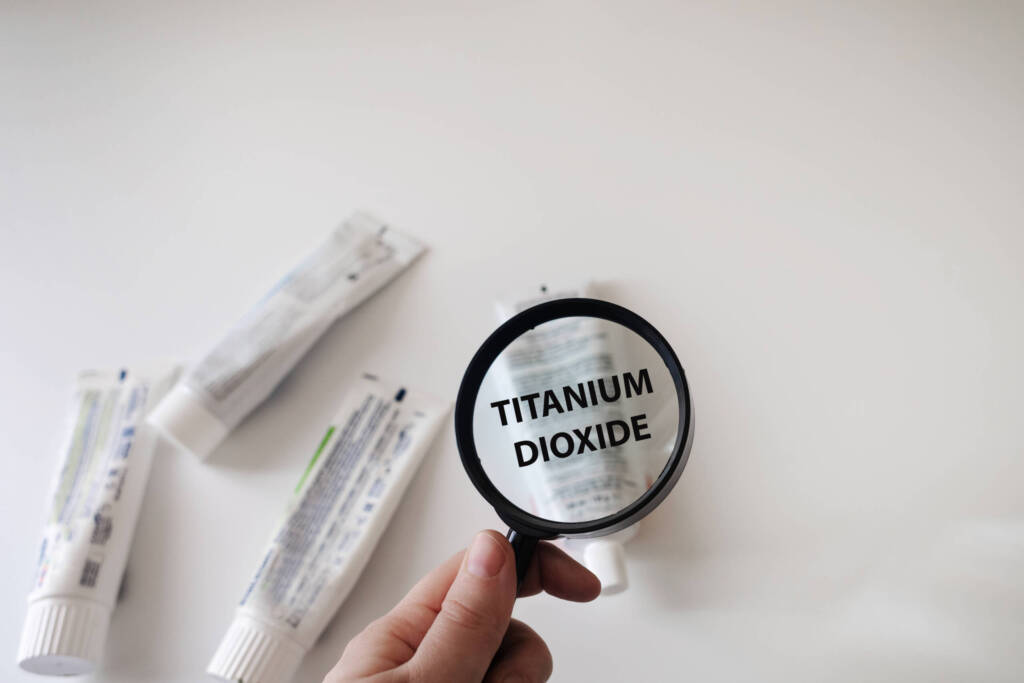
Q235 carbon steel components used in marine environments are highly susceptible to stress corrosion cracking, and conventional protective coatings often fail to maintain long-term stability under mechanical stress. To address this limitation, Shi and colleagues developed a stress-responsive self-healing coating designated HMSNap-TiO₂-SP. The coating uses amino-functionalised hollow mesoporous silica microspheres (HMSNap) modified with titanium dioxide (TiO₂) and loaded with sodium phytate (SP) as its core functional component, combining active corrosion inhibition with intelligent, damage-triggered release.
Amino functionalisation of the HMSN nanoparticles was shown to significantly improve the dispersion of TiO₂ within the coating matrix. In addition, the TiO₂ modification acts as a bottleneck that prevents premature leakage of the corrosion inhibitor, enabling a high SP loading capacity of up to 25 wt.-%. The resulting TiO₂ grid structure also strengthens the coating mechanically, increasing tensile strength by 24 % and elongation at break by 40 %, while simultaneously blocking the penetration of chloride ions and water.
Reading tip: Corrosion protection coatings
The book “Anticorrosive Coatings: Fundamentals and New Concepts” brings together all the disciplines involved in the creation and use of corrosion protection coatings for metals. It presents the latest insights into the quality and chemistry of surfaces, the proper way to prepare them by conversion treatment, the function of resins and anticorrosion pigments in paints, and novel concepts in corrosion protection. As an added bonus, all the standards and directives mentioned in the text are grouped together in their own chapter for a better overview.
Stress-triggered release and long-term performance
When the coating is subjected to a tensile stress of 50 % of the yield strength (σ_ys), it triggers the targeted release of sodium phytate at micro-damage sites. The released inhibitor forms a protective film on the exposed metal surface, repairing the damaged region and restoring corrosion resistance in situ. This mechanism enables an active response to mechanical damage rather than relying solely on passive barrier protection.
Long-term testing under simulated marine conditions confirmed the effectiveness of the approach. During an 18-day immersion period in a 3.5 wt.-% NaCl solution, the impedance modulus of the self-healing coating showed a sustained increase from day 5 onwards. At the end of the experiment, |Z| at 0.01 Hz was still maintained at around 4500 Ω·cm². Overall, the HMSNap-TiO₂-SP coating provides a novel, durable and intelligent protection strategy for Q235 carbon steel structures used in marine engineering applications, combining enhanced mechanical performance with responsive corrosion protection.
Source: Shi, H. et al., Stress-responsive self-healing corrosion protection coating based on TiO₂-modified amino-functionalized hollow mesoporous silica nanoparticles loaded with sodium phytate. Progress in Organic Coatings, 110242 (2026).