News Application Areas
Fully bio-based superhydrophobic coating enables efficient oil/water separation on cotton fabric
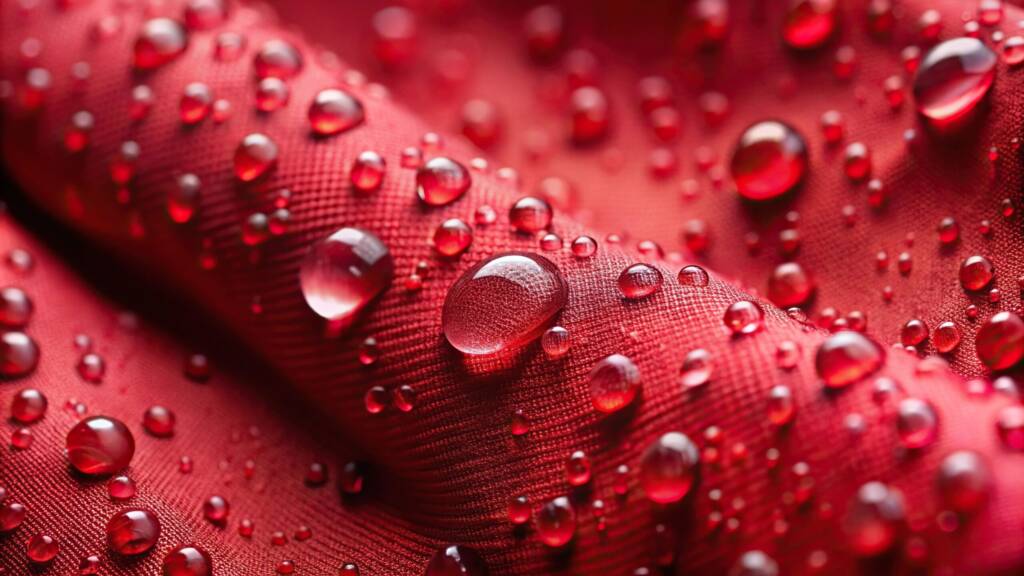
Researchers have developed a novel cotton fabric featuring a superhydrophobic, fully bio-based coating. Based on rosin acid and chitosan nanoparticles, the technology offers efficient oil/water separation without fluorinated compounds while maintaining durability under harsh conditions.
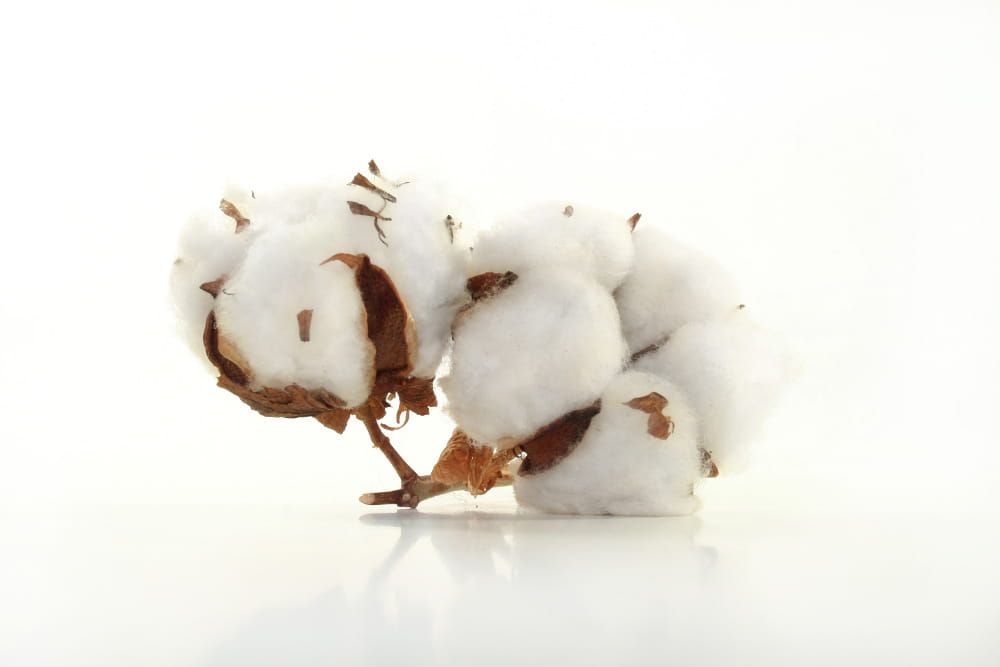
Fluorinated and long-chain aliphatic compounds are commonly used to create water-repellent surfaces but pose environmental and durability concerns. A team led by Zexing Zhu has developed a fully bio-based alternative using rosin-grafted chitosan nanoparticles (RCS) to form a durable, eco-friendly hydrophobic coating.
The resulting cotton fabric (RCS-SR@PCF) exhibited a water contact angle of 157.4 ± 1.2° and a sliding angle of only 5.2 ± 0.2°, confirming its superhydrophobic character. The coating enabled efficient oil/water separation driven solely by gravity, achieving an oil flux of 7,782.64 L·m−2·h−1 and a separation efficiency of 97.48 %. Even after multiple reuse cycles, the fabric maintained 97.43 % efficiency with a flux of 7,147.43 ± 106.89 L·m−2·h−1.
Reading tip: Functional Coatings
The “EC Tech Report Functional Coatings” gives you an up-to-date bundle on automotive coatings with articles, videos and other handpicked content. In addition to technical articles about the latest technical developments, this all-in-one multi-media pack is rounded off with valuable market insights and important fundamentals about automotive coatings formulation.
Durable under mechanical and chemical stress
The bio-based coating demonstrated excellent abrasion resistance, saltwater tolerance, and thermal stability, maintaining its hydrophobic and self-cleaning properties after exposure to harsh environments and organic solvents. This innovation provides a sustainable, fluorine-free solution for separation technologies, textile finishing, and surface protection.
Source: Zhu, Z. et al. A superhydrophobic cotton fabric fabricated via fully bio-based hydrophobic nanoparticles toward oil/water separation. Prog. Org. Coat. 207, 109420 (2025).