
News Application Areas
ACE coatings: Appearance defines value and brand image
A durable and aesthetically pleasing paint finish not only protects machinery but also significantly strengthens brand perception. Nico Kehr, Kansai Helios, explains why long-term appearance is essential in agricultural and construction equipment and what makes colour matching so demanding. Interview by Bettina Hoffmann
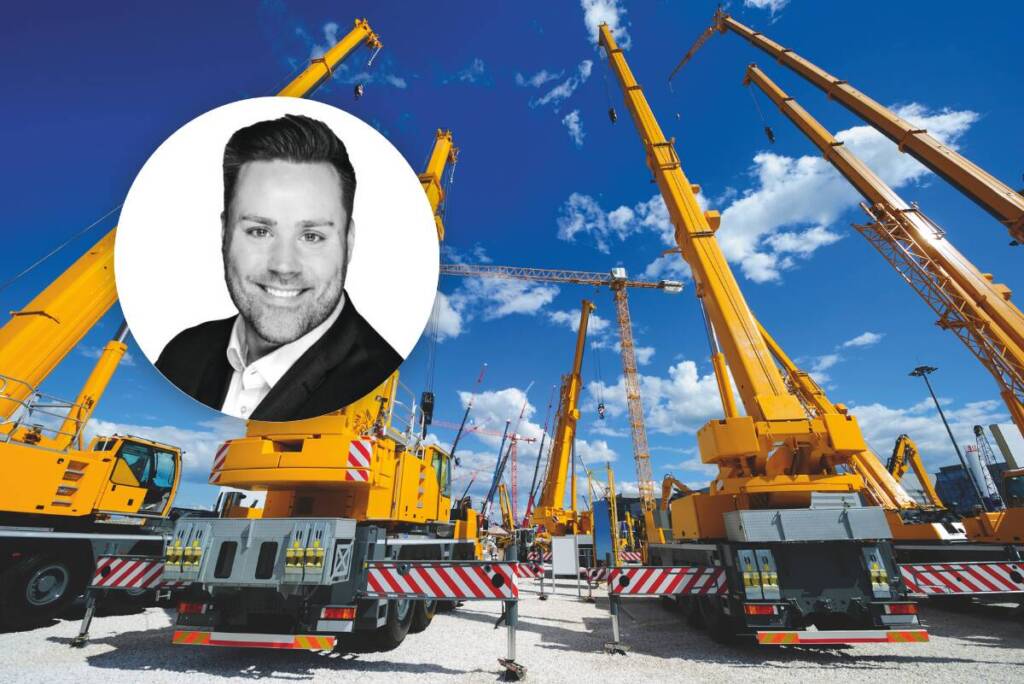
How important is the long-term appearance of the paint in the field of agricultural and construction machinery?
Nico Kehr: The long-term appearance of agricultural and construction machinery is of considerable importance, though its weight varies depending on the area of application, target group, and market segment. Aesthetically pleasing and durable paint finishes contribute significantly to the machines’ value stability, as a well-maintained external appearance increases the resale value. Customers often see the paint quality and condition of the machine as indicators of overall care and maintenance.
Furthermore, the appearance substantially influences brand image. Manufacturers who focus on high-quality and durable paint finishes emphasise their quality standards and differentiate themselves from the competition. Functionally, the paint also fulfils important protective tasks by preserving the machine from corrosion and extending its lifespan. Particularly in professional applications, a well-visible and maintained paint film also improves safety by increasing visibility on construction sites or fields.
Customers, especially those of premium brands, expect machines to remain visually appealing even after years. This strengthens trust in the brand and in the equipment. While functional aspects such as corrosion protection and robustness remain essential, appearance plays a major significant role in the same way. It does not only influence the technical impression, but often also the emotional and psychological perception.
How challenging is colour matching with different paint application methods and the various house colours of manufacturers?
Kehr: Colour matching between different paint application methods as well as the specific house colours of manufacturers is a great challenge. Even with identical pigments, gloss level and texture can vary, making coordination difficult. Especially with precise house colours, such as corporate identity colours according to RAL or Pantone, minimal deviations are critical as they could impair the brand image. Effect colours like metallic or pearlescent paints pose additional challenges, as gloss and light reflection appear differently depending on the paint type. Process-related factors such as application technique, layer thickness, and substrate material can further alter the appearance.
External influences like lighting conditions and weather also play a role, as different paint types age differently. Therefore, coordination requires highly precise measurement technologies, such as spectrophotometers, and close collaboration with specialised paint manufacturers. Simulation of real conditions and standardisation of colour templates can minimise deviations. Despite modern technologies, colour matching remains an iterative process that requires continuous precision and continuous quality control to ensure a uniform and high-quality appearance.
