News Coatings Technologies
UV-resistant, highly adhesive polyurethane coating thanks to tannin complexes
A Chinese research team has modified water-based polyurethane coatings with tannic acid metal complexes. The result: significantly improved UV resistance and adhesion – even after over 1,600 hours of artificial weathering.
Water-based polyurethanes (WPU) are widely used due to their environmental friendliness and weather resistance – but they often show cracking and embrittlement under prolonged exposure to UV radiation. To counteract this, researchers from China have presented an innovative process to improve UV stability: the chemical integration of tannic acid-metal complexes into the PU polymer chain by means of in situ polymerisation.
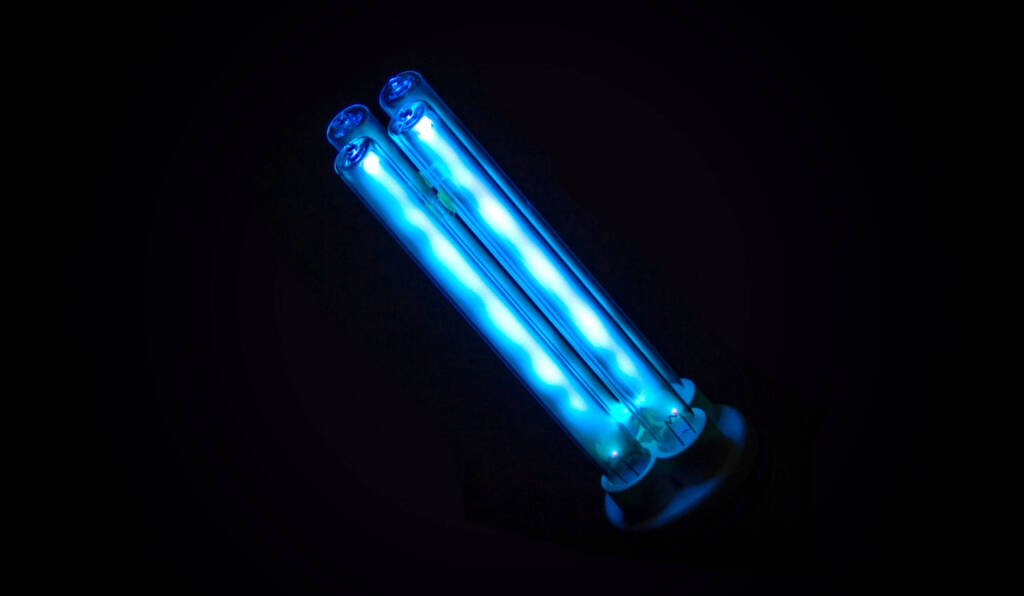
The tannic acid complexes used, in particular with titanium metal (TATi), are characterised by strong UV absorption and thus effectively protect the polymer matrix from light-induced ageing. In UV ageing tests over 1,656 hours, the surface structure of the coating remained intact – the mechanical properties showed no loss whatsoever.
Sustainable raw materials, strong performance
In addition to the increased UV stability, the coatings also impressed with their high adhesive strength and water resistance. The results emphasise the potential of plant-based additives to improve the performance of water-based PU systems. Tannic acid, a natural polyphenolic substance, offers an environmentally friendly alternative to synthetic light stabilisers thanks to its complex-forming properties.
The method presented opens up new ways of developing functional bioadditive systems in sustainable coating formulations – especially for applications with high requirements for outdoor resistance and adhesion.
Source: Progress in Organic Coatings, Volume 200, March 2025, Article 109025