News Coatings Technologies
Catalytic nano-enzymes boost antifouling performance of silicone coatings
A novel marine coating combines polysiloxane–polyurethane with copper-based nano-enzymes. The catalytic nanoparticles generate reactive oxygen species, significantly enhancing the antibacterial and antifouling efficiency of traditional silicone coatings.
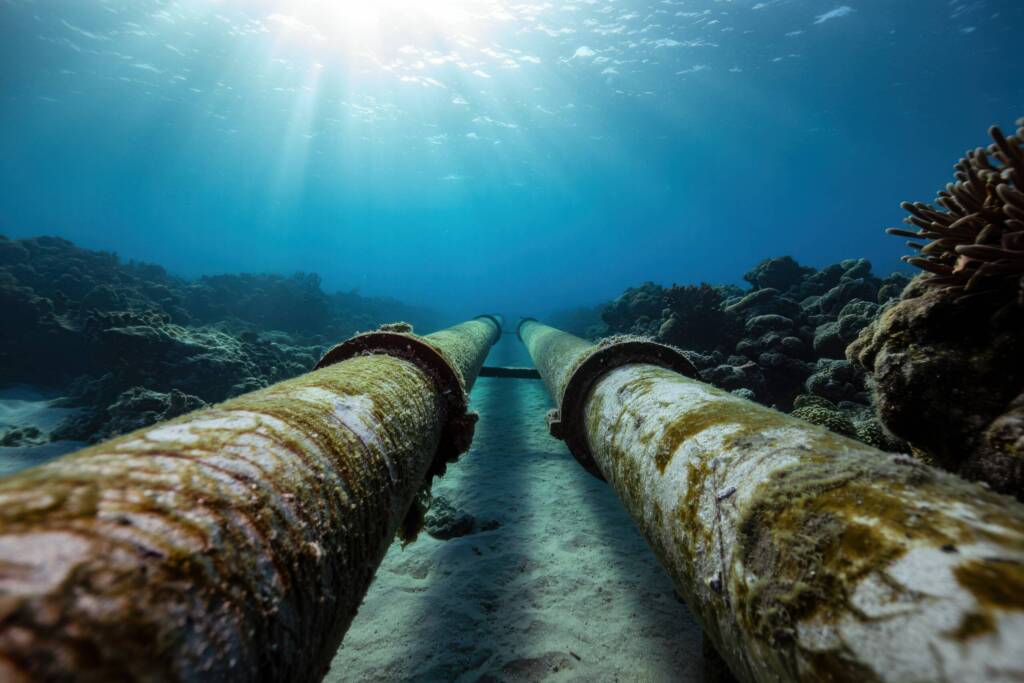
Marine biofouling remains a persistent challenge for submerged surfaces. Silicone-based coatings such as polydimethylsiloxane (PDMS) are valued for their low surface energy but limited by poor mechanical strength, weak adhesion and low static antifouling performance.
A research team in China has developed a nanocomposite coating that merges catalytic nano-enzyme sterilisation with fouling-release properties. The formulation is based on a polysiloxane–polyurethane (PDMS-PUA) matrix incorporating peroxidase-like copper nanoparticles (Cu NPs). The Cu NPs were modified with isophorone diisocyanate (IPDI) and polyethylene glycol (PEG) to enhance compatibility with the polymer matrix.
Reading tip: Functional Coatings
The EC Tech Report “Functional Coatings” gives you an up-to-date bundle on functional coatings with articles, videos and other handpicked content. In addition to technical articles about the latest technical developments, this all-in-one multi-media pack is rounded off with valuable market insights and important fundamentals about functional coatings formulation.
Synergistic mechanism of surface and reactivity
The resulting PDMS-PUA-F-Cu coating exhibited hardness of approximately 21 MPa, adhesion strength around 1.75 MPa and maintained low surface energy and hydrophobicity. Crucially, the peroxidase-like Cu NPs catalysed the generation of reactive oxygen species (·OH and ·O₂⁻), enabling dynamic antibacterial activity and enhanced biofouling resistance.
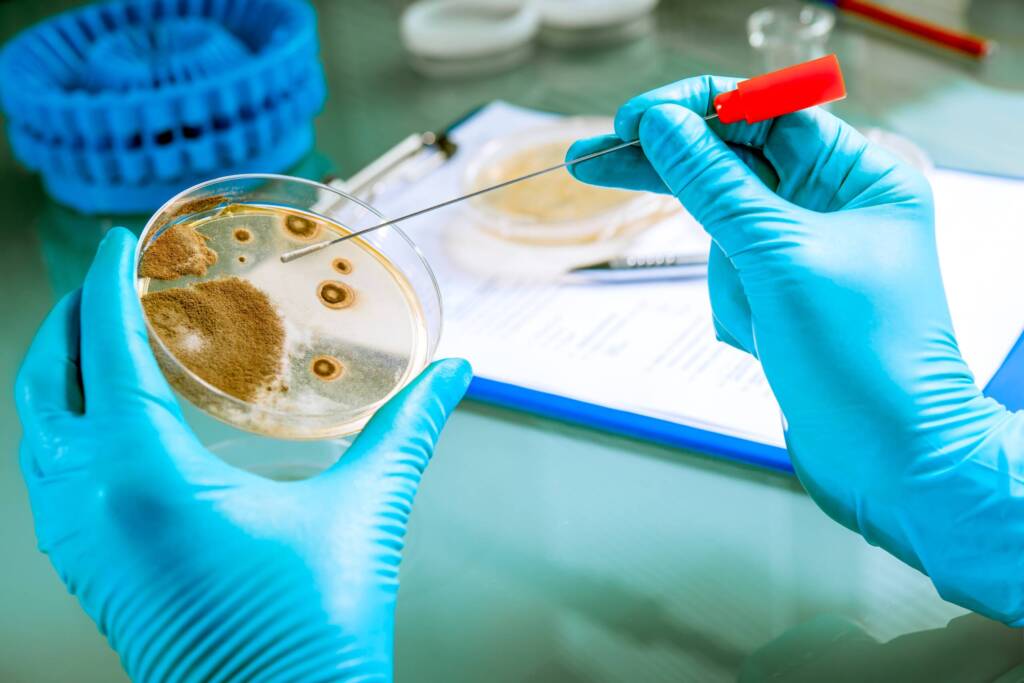
The coating achieved antibacterial rates of 98.6 % against Pseudomonas aeruginosa and 98.8 % against Staphylococcus aureus, along with a 97.4 % inhibition of Chlorella adhesion. The study demonstrates how combining catalytic sterilisation with low-surface-energy coatings can overcome the inherent limitations of conventional silicone systems, providing a promising pathway toward high-performance, environmentally friendly antifouling coatings.
Source: Li, M. et al., The synergy of catalytic nano-enzymes and fouling-release coating: Peroxidase-like Cu NPs composited polysiloxane-based polyurethane PDMS-PUA with enhanced antifouling properties. Progress in Organic Coatings 207, 109390 (2025).