News Coatings Technologies
Weakening hydrogen bonds lowers PUA viscosity for UV curing
A two-step chemical modification strategy based on hydroxymethylation and acetylation can reduce the viscosity of polyurethane acrylate by up to 51.55 % without compromising key performance properties. The low-viscosity resins show high double-bond conversion after UV curing and improved bending resistance, making them suitable for 3D printing and electronic packaging.
Polyurethane acrylate (PUA) is a widely used resin system, but its relatively high viscosity often complicates processing and limits its use in advanced applications such as 3D printing and electronic packaging materials. This high viscosity is primarily caused by strong hydrogen bond interactions between PUA molecular chains. To address this challenge, researchers pursued a molecular structure design approach based on the targeted dissociation of hydrogen bonds through chemical modification.
In a two-step synthesis, PUA was first reacted with paraformaldehyde to produce hydroxymethylated polyurethane acrylate (D-PUA). Subsequently, D-PUA underwent acylation with acetic anhydride to yield acetylated polyurethane acrylate (Y-D-PUA). Compared with unmodified PUA, the viscosity of D-PUA was reduced by up to 48.45 %, while Y-D-PUA achieved a viscosity reduction of up to 51.55 %.
Reading tip:
Unlock the full potential of high solid binders with this updated textbook – your essential guide to sustainable, high-performance coatings. Covering the latest chemistries (silanes, polyurea, ketimines, Michael additions) and innovative processes for low-molecular-weight acrylics, the book delivers practical, hands-on knowledge for advanced formulators and binder chemists. Discover how high solid resins offer low VOC emissions, flexible formulation, and compatibility with renewable raw materials.
Improved processability without loss of performance
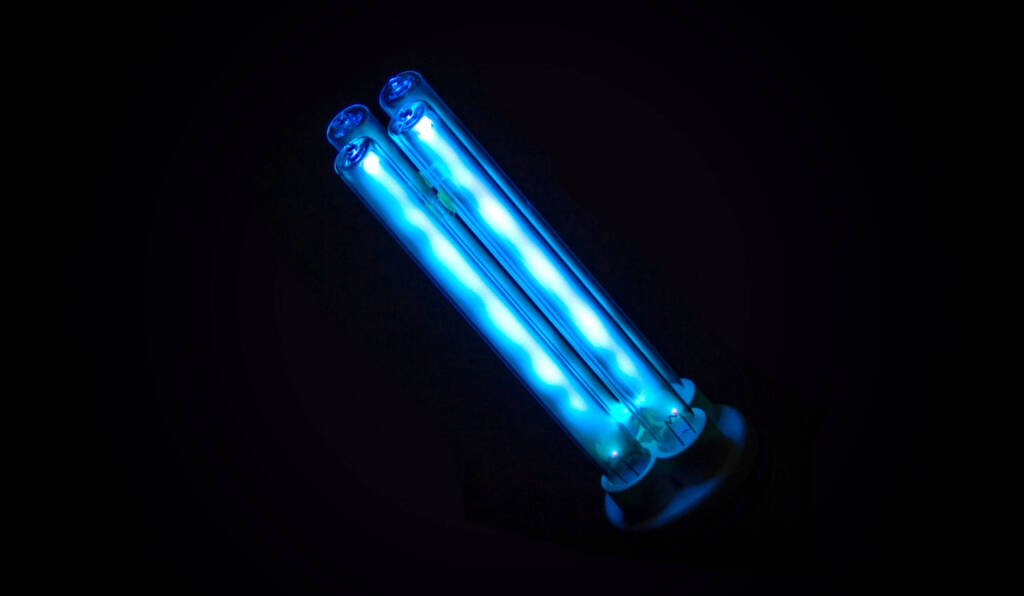
After the addition of 2 % of photoinitiator 1173 and UV curing, both modified resins showed high double-bond conversions of more than 97 %. The bending resistance of the films formed from D-PUA and Y-D-PUA was notably improved compared with the unmodified reference, while other properties remained essentially unchanged.
The two-step modification strategy of hydroxymethylation followed by acetylation provides an effective route to significantly reduce the viscosity of PUA systems while preserving their mechanical and curing performance. This offers a viable material basis for extending the use of polyurethane acrylate in demanding applications such as 3D printing and electronic packaging.
Source: Chen, Z. et al., Low-viscosity polyurethane acrylate based on hydrogen bond dissociation and its effect on the mechanical properties of materials. Progress in Organic Coatings, 110188 (2026).