News Coatings Technologies
Two-dimensional nanocontainers enhance long-term corrosion protection of water-borne epoxy coatings
Integrating mesoporous polypyrrole-coated g-C₃N₄ nanosheets into water-borne epoxy resins significantly extends and improves corrosion protection.
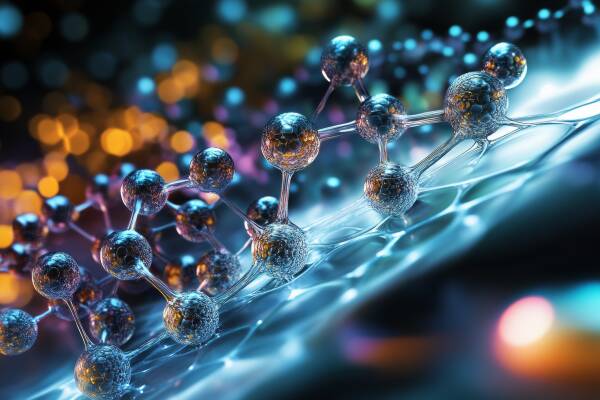
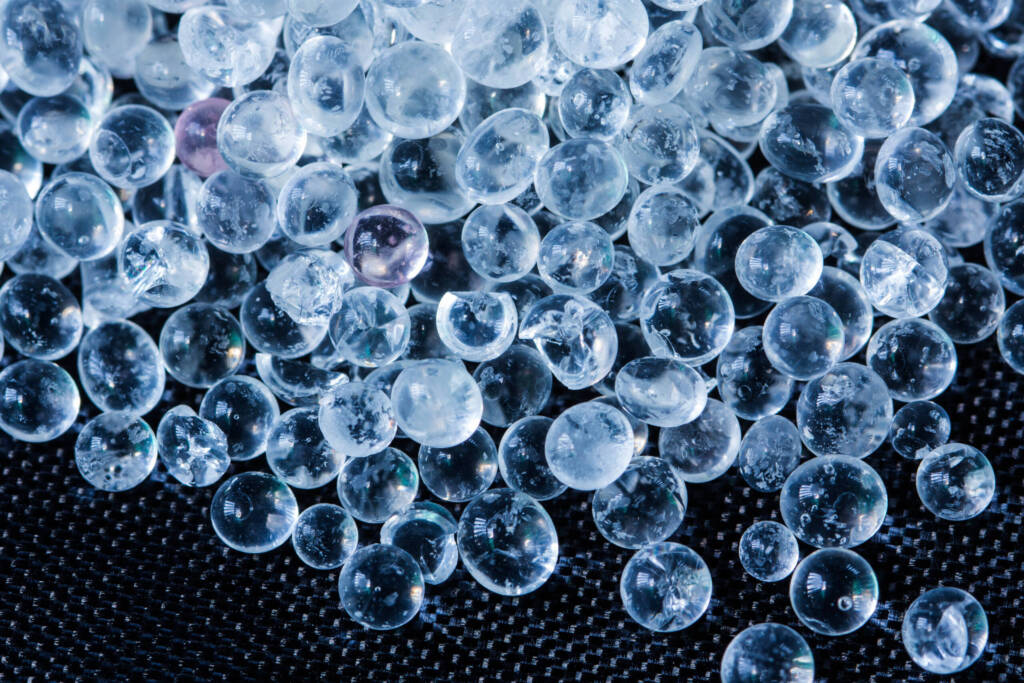
A research team led by Jing Gou has developed a novel strategy to improve the corrosion resistance of water-borne epoxy coatings. Ultrathin g-C₃N₄ nanosheets were coated with mesoporous polypyrrole (PPy) to create stable two-dimensional nanocontainers (g-C₃N₄@PPy). Using an emulsion induction method, a uniform mesoporous structure was achieved, which enhanced both the dispersion of nanosheets in the epoxy matrix and provided a reservoir for the corrosion inhibitor benzotriazole (BTA).
The synergistic effect of the passive barrier provided by g-C₃N₄ and the active protection function from the PPy shell significantly prolonged the protective period compared to conventional water-borne epoxy systems. Throughout the immersion tests, the CPB nanocontainer (g-C₃N₄@mPPy(BTA)) modified coatings maintained consistently high impedance values.
Event tip: High-End Anti-Corrosion Coatings
On 19 November 2025, from 13:00 to 17:00 CET, the EC Conference Digital will focus on high-end anti-corrosion coatings. Offshore oil rigs, ships, pipelines, and civil engineering projects demand maximum corrosion protection and durability, making maintenance costly and labor-intensive. Proven systems such as epoxies, polyurethanes, polyaspartics, and (ultra) high solid formulations each come with specific challenges regarding cost, handling, appearance, or performance. The conference brings together scientists and experts in protective metal coatings, offering insights into the latest developments, breakthroughs, and trends. Attendees will have the chance to hear from leading researchers and industry professionals — and to network with key players in the field.
Significantly reduced corrosion and improved adhesion
At the end of the testing period, the low-frequency impedance value (|Z| at 0.01 Hz) for the CPB/EP samples was three orders of magnitude higher than that of pure epoxy. The corrosion current was reduced by a factor of 18. Additionally, the fracture point frequency (fb) was four orders of magnitude lower, indicating significantly less microflaking of the coating from the substrate. Salt spray tests and SEM evaluations confirmed that CPB/EP composite coatings lasted approximately 15 days longer than pure EP and exhibited significantly enhanced adhesion.
These results underline the potential of mesoporous g-C₃N₄@PPy nanocontainers for developing durable, high-performance water-borne corrosion protection systems.
Source: Progress in Organic Coatings, Volume 200, March 2025, 109028,