News Production & Lab
Offset print quality: Studying the effect of coating formulations

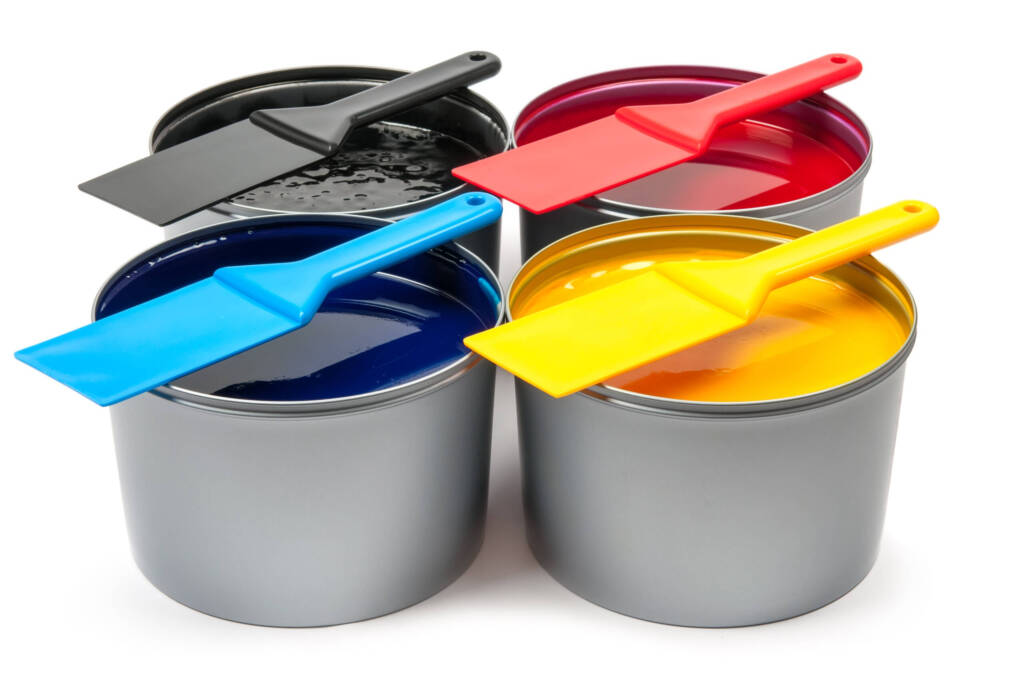
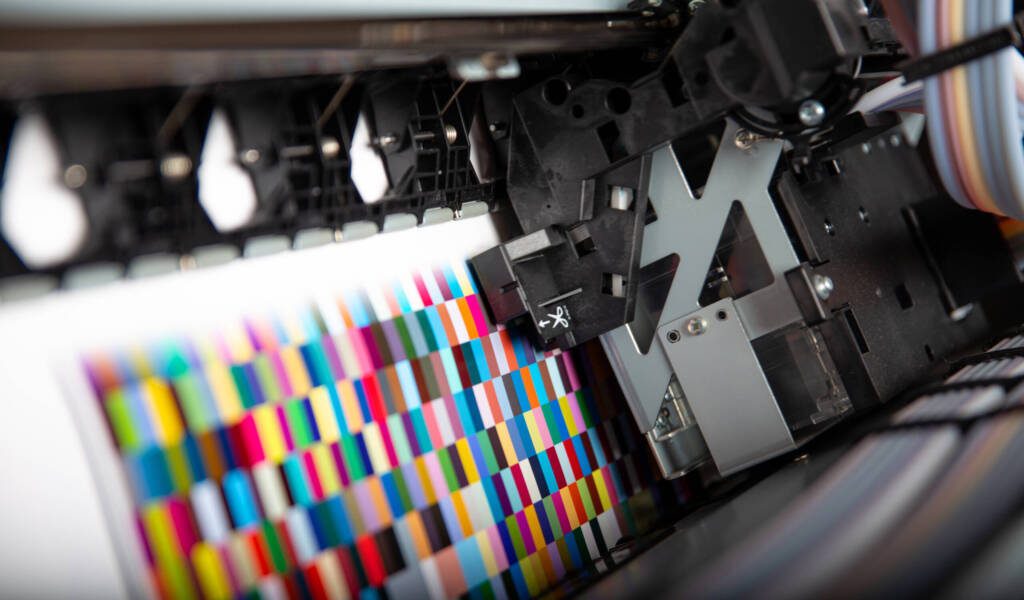
The study was carried out in order to determine the effect of coating formulations on printing quality. For this purpose, five different coating formulations were created in which kaolin and precipitated calcium carbonate pigments (PCC) were mixed in different proportions. Coating formulations were applied in two layers on a base cardboard. Calendering of the coated base cartons was carried out using a laboratory calender. The prints were made on the calendered cardboards using mineral oil-based, vegetable (soybean) oil-based, and UV inks in a laboratory type offset printing machine.
Vegetable oil-based inks can be preferred
As a result of the study, it was determined that the coating of the base cardboard surface affects the optical and physical properties of the cardboard, the surface properties change according to the amount of pigment used in the formulations, and this change affects the printing quality. In the study, the best printing results in terms of printing quality were obtained with the use of UV ink. Mineral oil-based and vegetable (soybean) oil-based ink were compared in terms of printing quality, and since the values obtained are close to each other, it can be said that vegetable oil-based inks can be preferred instead of mineral oil-based ink, and more environmentally friendly sustainable productions can be realised. It has always provided better results in terms of surface smoothness and printability in coated formulations where the kaolin ratio is increased.
The study has been published in Journal of Coatings Technology and Research, Volume 19, Issue 6, November 2022.