News Raw Materials
Cellulose-based resins open new pathways for adhesives and coatings
Researchers at Fraunhofer LBF have developed cellulose-based resins for high-performance adhesives and coatings. Tested in reactive anchor systems and LED-curable adhesives, these bio-based materials promise sustainability and enhanced performance.
The Fraunhofer Institute for Structural Durability and System Reliability (LBF) has unveiled new cellulose-based resin components that could revolutionise adhesive and coating technologies. Developed using wood pulp derived from waste materials, the bio-based resins have been successfully tested for applications in reactive anchor systems and LED-curable adhesives. The project was funded by the German Federal Ministry of Agriculture, Food and Rural Areas through the Agency for Renewable Resources (FNR).
The innovation lies in a newly adapted synthesis process that employs cellulose from sustainable sources, offering an economical and environmentally friendly alternative to conventional raw materials. The researchers created a variety of cellulose esters, including those with flame-retardant phosphate groups and diacrylate functionalities. Key to the breakthrough was the identification of highly active esterification catalysts, enabling the production of cellulose methacrylates on an industrial scale.
Reading tip: Bio-based coatings
The EC Tech Report “Bio-based Coatings” is a hand-picked compilation of all the key aspects concerning bio-based coatings, offering the latest technical developments. Leading R&D experts present their various binder developments, how binders can be produced sustainably and also how the performance of your coatings can be optimised. Exclusive market insights and data as well as an impressive package of digital bonus material round off this Tech Report.
Tested Applications in Construction and Electronics
In collaboration with Hilti, a leading construction technology company, the cellulose methacrylates were evaluated for use in reactive anchor systems. The bio-based resins met critical mechanical and hydrolysis stability requirements while also improving viscosity characteristics. Additionally, they demonstrated compatibility as thickeners without compromising the strength of the final material.
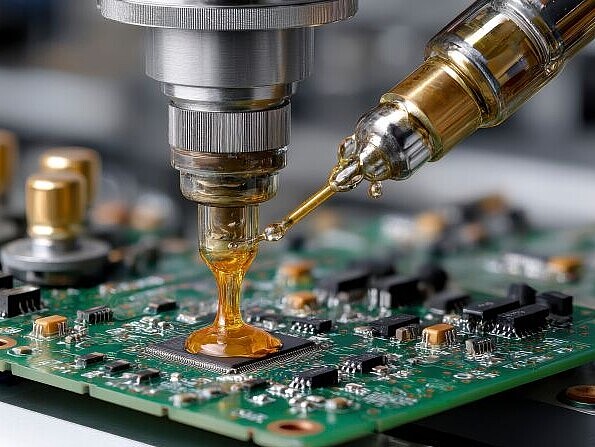
Meanwhile, Hoenle Adhesive Systems tested the cellulose acrylates as LED-curable adhesives for electronics. The materials formed clear, hard, and highly adhesive layers on substrates such as glass and plastics. Furthermore, the resins exhibited excellent viscosity properties and high glass transition temperatures. A separate variant also showed promise as a flame-retardant, transparent coating for acrylic glass.
Market Readiness and Future Potential
The Fraunhofer LBF is now seeking manufacturers to bring these bio-based resins to market. While the cellulose acrylates are ready for commercialisation, further structural adaptations are needed for the methacrylates to optimise their use in reactive anchor systems. Beyond adhesives, researchers see potential applications in coatings for wood and plastics, with the flame-retardant properties of the phosphor-based esters opening possibilities in fire-resistant materials.
This innovation not only highlights the growing importance of sustainable raw materials but also demonstrates the versatility of cellulose derivatives in high-performance applications. The technology could pave the way for more environmentally friendly solutions in the adhesives and coatings sectors.
Quelle: Fraunhofer-Institut für Betriebsfestigkeit und Systemzuverlässigkeit LBF. Celluloseester für biobasierte Reaktionsharze und Hochleistungsklebstoffe entwickelt. 2025.