News Production & Lab
New bio-degradable bone glue stabilises fractures within minutes
Chinese researchers have developed a bio-degradable bone adhesive that can fix fractures in minutes without screws or plates. First clinical applications show promising results.
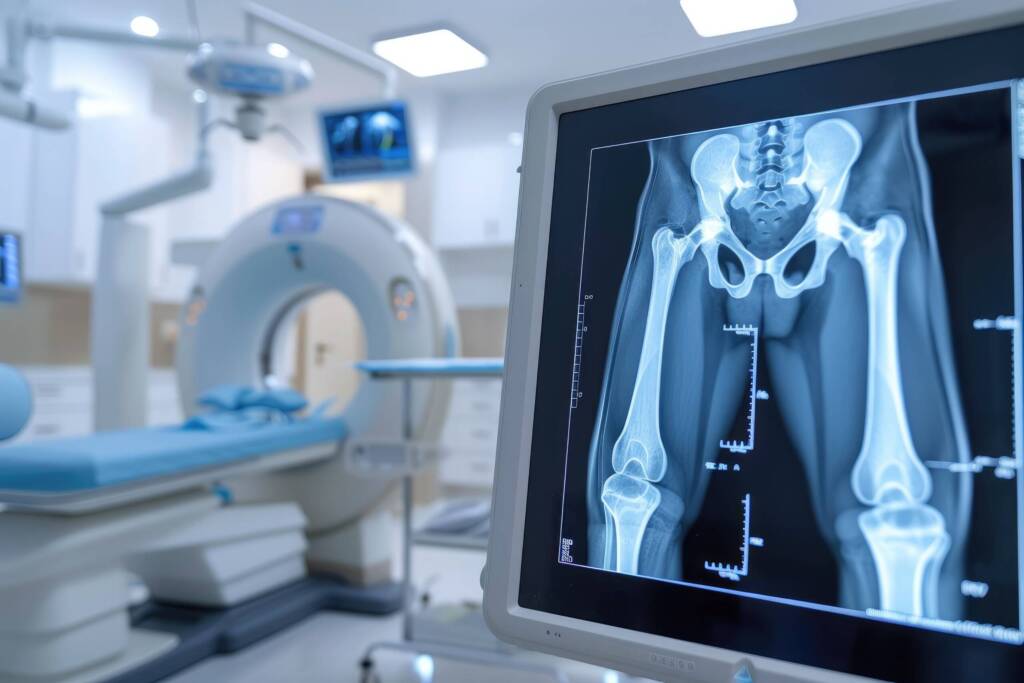
A medical team at the Sir Run Run Shaw Hospital in Hangzhou, China, has introduced a new bone adhesive that could replace the conventional fixation of fractures with metal plates and screws. The material, named “Bone-02”, is capable of stabilising even complex fractures within about three minutes. It is fully bio-degradable, being resorbed by the body within six months – aligning with the natural bone healing process and eliminating the need for a second surgery to remove implants.
The concept was inspired by nature: the researchers modelled their adhesive on oysters, which can firmly attach to surfaces even in turbulent seawater. After years of development, the team created a glue that adheres strongly in bleeding surgical sites and withstands forces exceeding 180 kilograms.
Event tip: Sealants and adhesives
The EC Webinar “Composition of Reactive Sealants and Adhesives” will take place online on 28 October 2025. What makes adhesives and sealants perform reliably – and how can their properties be adjusted through formulation? This seminar provides a thorough introduction to reactive systems, covering chemical structures, functional groups and formulation techniques. Through practical formulation tips, guide recipes and patent examples, participants will gain the skills to confidently formulate and evaluate high-performance adhesives.
Successful first clinical cases
More than 150 patients have already been treated with the adhesive. In one documented case, a complex wrist fracture was stabilised through a small incision, avoiding the need for plates and screws. Three months later, the fracture had healed without complications and full wrist function was restored. Traditional surgery would have required a larger operation and a second procedure to remove the hardware.
“Bone-02” has received approval for multicentre, randomised clinical trials. Long-term data and safety evaluations are still needed before routine clinical use, but the researchers foresee potential applications in emergency medicine and military settings, where rapid, minimally invasive fracture stabilisation is critical.
Source: Global Times / Sir Run Run Shaw Hospital Hangzhou (2025).