News Application Areas News
Polysilazane-cross-linked acrylic coatings for wood
Durable wood coatings are usually crosslinked with isocyanate for very high performance. Polysilazane could be an alternative with similar performance in hydrobphobicity, weather resistance and self-cleaning properties. Included Silica boosts flame retardancy.
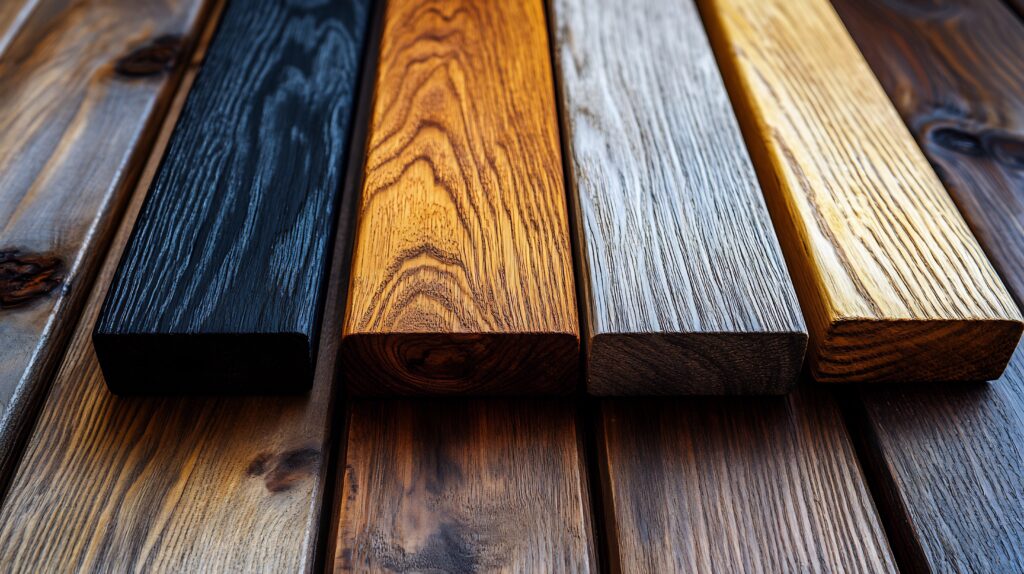
Acrylic-based wood coatings are widely recognized for their durability, UV resistance, flexibility, and rapid drying times, typically achieved by using isocyanate-based curing systems despite their inherent toxicity. Herein, a novel approach is presented that utilizes polysilazane (PSZ) as an alternative cross-linker to develop advanced acrylic coatings for wood applications. The incorporation of PSZ introduces significant improvements in structural and functional performance, including enhanced hydrophobicity, excellent weather resistance, and self-cleaning properties.
Event tip: wood coatings
On March 21, 2025, the EC Short Course “Principles of Wood Coatings” will take place online. This intensive training provides an overview of the historical development of wood coatings and systematically brings participants up to date with the latest advancements. It covers solvent-based, water-based, and UV technologies in a comparative and insightful manner. The course imparts both fundamental knowledge and critical aspects of wood coatings, making it particularly valuable for formulators, chemists, technical service professionals, as well as sales and marketing personnel from raw material suppliers.
Silica (SiO2) nanoparticles are integrated into the system to synergistically boost flame retardancy, achieving a V0 rating, while further augmenting the surface’s low-energy characteristics. The resulting coatings exhibit a high-gloss, ultrasmooth finish with outstanding environmental barrier properties, effectively resisting stains, water, and harsh weather conditions. The PSZ-modified silica network fosters the formation of a low-energy surface, facilitating ease of cleaning and long-term antistaining performance. Furthermore, the coatings demonstrate exceptional thermal stability and flame resistance, validated through rigorous experimental evaluations. This innovative use of PSZ as a cross-linker not only offers an alternative to traditional isocyanate curing agents but also enhances the overall structural and functional capabilities of wood coatings. These advancements establish a high-performance solution with strong potential for commercialization in demanding wood protection applications.
Source: ACS Appl. Eng. Mater. 2025, 3, 2, 502–512