News Markets & Companies Raw Materials
Interview: Geo-based raw materials as a sustainable alternative to fossil resources
Nanomaterials have long been an integral part of industrial coating systems. Dr. Frank Groß from Nano-X explains how geo-based raw materials such as silanes and siloxanes enable not only functional but also sustainable solutions – free from PFAS, microplastics, and aromatic compounds.

Nanomaterials and their functions: fully established in the industry, trend or hype?
Dr Frank Groß: High-performance coatings based on nanotechnology have arrived in the industry. So-called nanomaterials can be used to produce functional coatings that are characterised by high hardness, excellent scratch resistance and corrosion resistance. In addition, important properties such as IR reflection, emissions catalysis or photocatalytic properties are possible. Superhydrophobic or superhydrophilic surfaces can also be created. This makes it possible to produce floor or façade surfaces that are not only easier to clean but also remain cooler in the heat of the sun.
Environmentally friendly solar power plants whose mirrors remain highly reflective even after severe desert sandstorms are state of the art. Nano-X has been active in this market for over 25 years.
Our industrial coatings based on nanotechnology are water-based or use only as little solvent as necessary. This year, we introduced a lightning-fast UV-curing, solvent-free inorganic-organic silane coating that contains no harmful PFAS, microplastics or toxic aromatics, such as bisphenols. When using nanomaterials, customers should take a close look at the total process costs and not just the purchase price. Our technology is sustainable, climate- and environmentally friendly, and saves costs and energy in the industrial manufacturing process.
How much sustainability or bio-based raw materials are possible or already being implemented in a field of functional coatings?
Groß: A few years ago, I saw a survey in which the topic of ‘bio-based’ was still ranked low on the list. However, a lot has happened since then, and the pressure from advancing climate change is growing steadily.
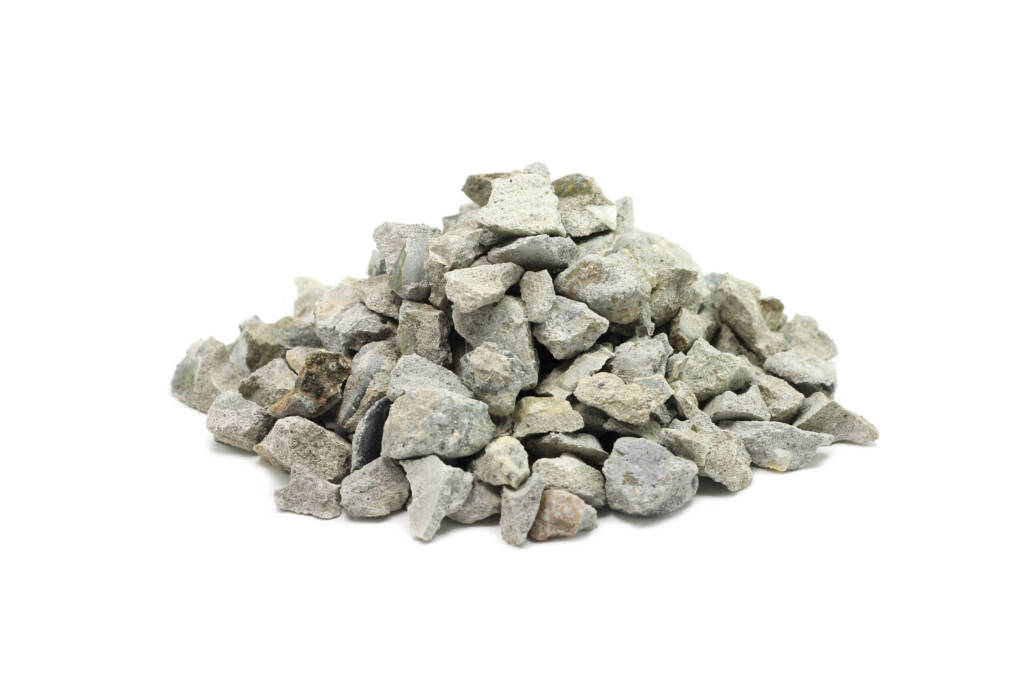
The strategic use of bio-based and geo-based raw materials contributes significantly to sustainability, raw material efficiency and environmental protection. Bio-based materials are obtained from renewable resources and thus help us to reduce our dependence on fossil carbon from petroleum and natural gas. Geo-based raw materials, such as silicon-containing silanes and siloxanes, also represent a widely available alternative. Both classes of raw materials are already being used by us and in the manufacturing industry.
While bio-based coatings release CO₂ as a greenhouse gas during decomposition, a large proportion of our silane coatings are converted into solid SiO₂, which does not contribute to the greenhouse effect. In addition to finished industrial coatings, our portfolio also includes silicon-functional raw materials for innovative paint and coatings manufacturers under the brand name ‘SiliXan’.
The combination of bio-based and geo-based raw materials thus enables innovative material concepts with optimised energy use throughout the entire life cycle.
In times of global change, such raw material strategy solutions are becoming increasingly important as they combine ecological and economic challenges. In the long term, these two classes of raw materials will contribute to a more adaptable and sustainable society and industry.