News Markets & Companies
Guild CPO: Identifying alternatives was of secondary importance until Covid
Innovation in coatings increasingly depends on how quickly companies can assess alternative raw materials, pool technical expertise and translate laboratory findings into scalable solutions. Armodios Yannidis, Guild EMEA Chairman; Ramon Farres, EMEA Director; and Dan Kerr, Executive Director, discuss how the Guild identifies emerging needs, connects members in focused technical clusters and creates a trusted framework for knowledge-sharing, supplier programmes and collaborative problem-solving. By Damir Gagro.

How do you ensure that the Guild’s supplier network remains relevant as members move into new applications, substrates and end markets?
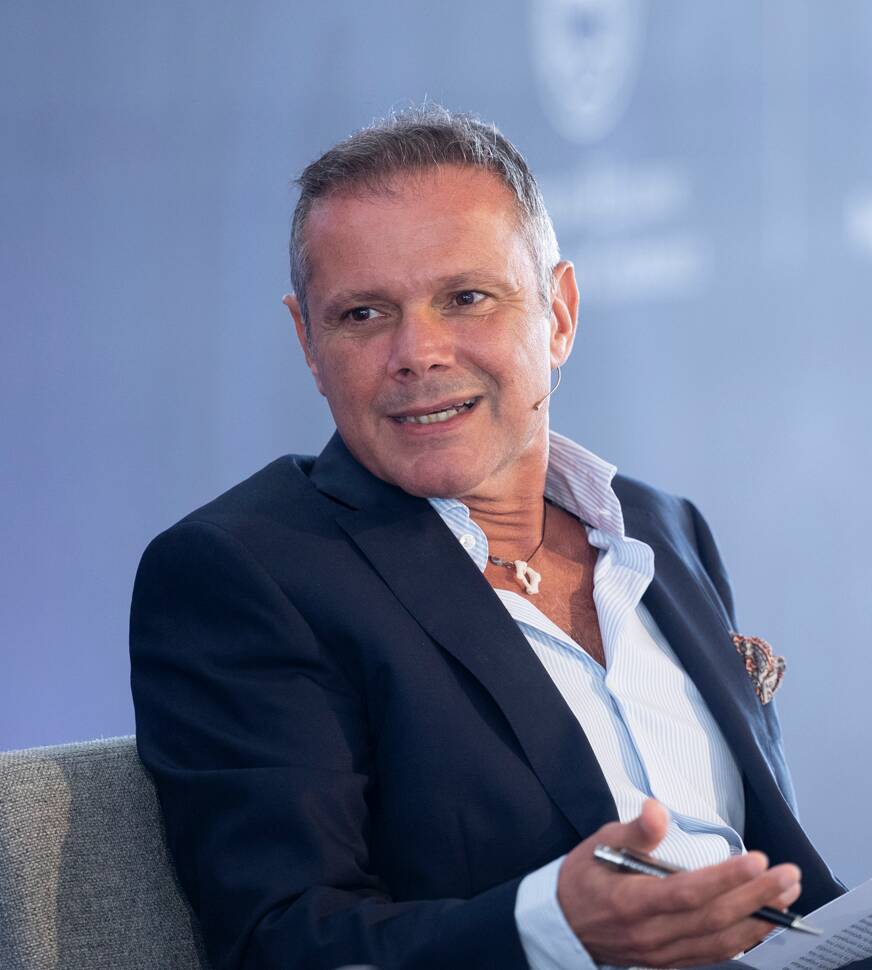
Armodios Yannidis: Our role is to assist members in their endeavors. The innovation profile of each member is different, and we see companies that are pioneering and early adopters while others are skeptical and adopt changes slowly. Once we understand that a weak signal becomes an emerging market trend, and we see more than one member investing towards a technology we gather more information and run an evaluation to see if a new program would make sense. Guild is also expanding in segments where we see commonalities in raw materials beyond paint & coatings, e.g. adhesives, sealants and other construction materials.
To what extent are members seeking support in identifying alternatives to materials under regulatory pressure or at risk of supply disruption?
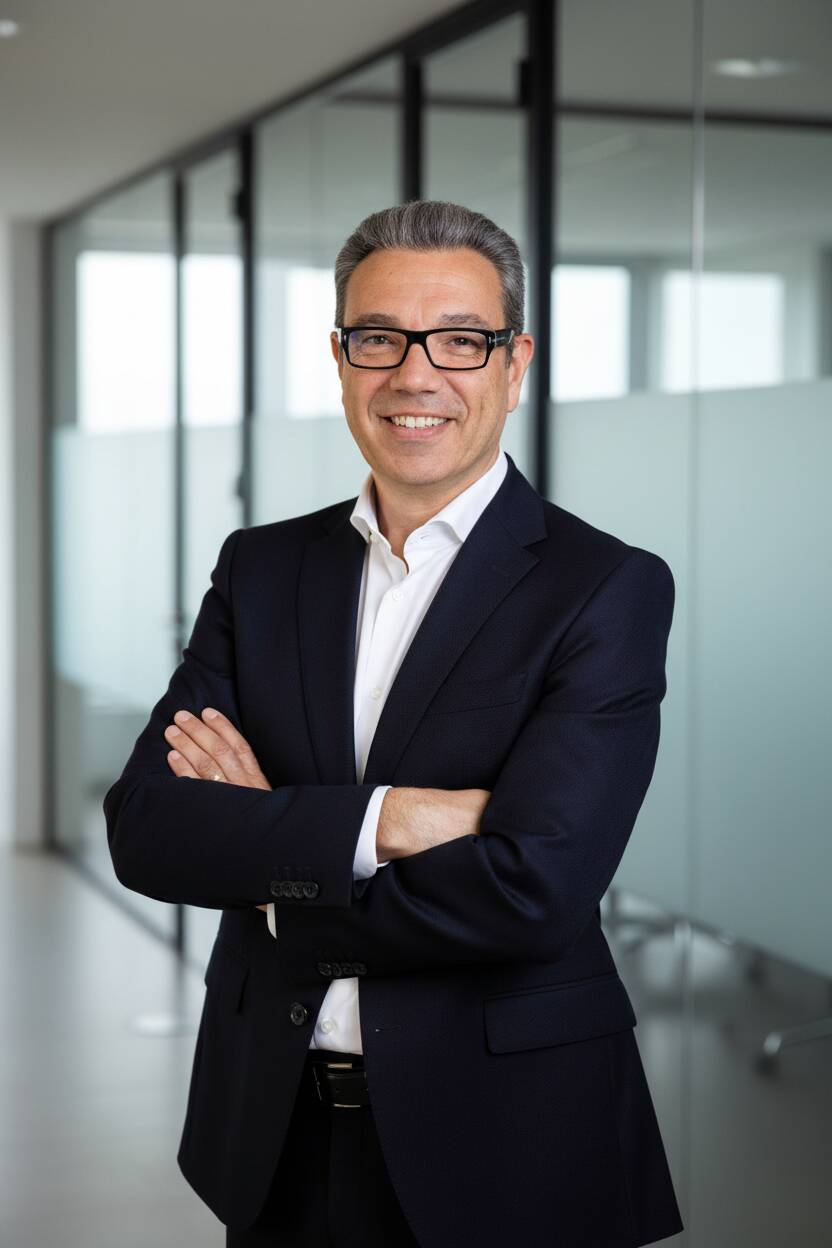
Ramon Farres: Identifying alternatives was of secondary importance until Covid. Technical teams were reluctant to change a raw material and wanted to focus their resources to new products. During the pandemic supply shortages forced all teams to loosen their resistance to change in order to solve their problems. They experienced a lot of alternative solutions and scientists have been trained in approving them faster – this is now valuable know how but also a new modus operandi that facilitates negotiations for purchasers.
What types of technical knowledge-sharing are most valuable to members: application expertise, regulatory intelligence, test methods, formulation support or process efficiency?
Dan Kerr: Technical knowledge sharing is valuable in all its forms and the ones mentioned are all valuable and we therefore facilitate the flow of information – I would add problem solving that is very important. At the same time members tend to collaborate in smaller clusters when others have no interest. Our experience is that they can go deep in details and resources sharing when small clusters are formed. And for that purpose, having a network of more than 100 members greatly facilitates collaboration and the exchange of expertise in these areas.
Yannidis: We also believe that members see more value in exploring new areas of knowledge. When we detect emerging areas of interest we may organize specialized activities. For example, we organized a “Sustainability Osmosis”: a meeting that allowed members to benchmark themselves against other members, share good practices and challenges and find areas of collaboration. During this meeting we have decided to establish program for suppliers of services such as Life Cycle Analyses, certifications and software. During another “Osmosis” we focused on digital needs, AI developments and cybersecurity. The outcome among others was purchasing programs for lab software licenses (LIMS) but also significant discounts for thousands of Windows licenses from Microsoft.
Raw-material volatility, supply availability and regional market differences are putting independent coatings manufacturers under sustained pressure.Read the interview how Guild CPO combines collective purchasing power with supplier intelligence, alternative sourcing, technical exchange and a flexible regional approach – while leaving individual members in control of their supplier relationships.
What role does collaboration between manufacturers and suppliers play in shortening the path from laboratory development to robust, scalable production?
Farres: Shortening the path can be successful especially if a cluster of interested parties work with one supplier. Surprisingly there can also be some saving of resources – a cluster can share workload of the labs, use third party testing, share measurements and findings, use complimentary equipment that one may not have and come to a better conclusion on a raw material faster than going on their own.
How do approved supplier programmes address the differing needs of architectural, industrial, protective and specialty coatings manufacturers?
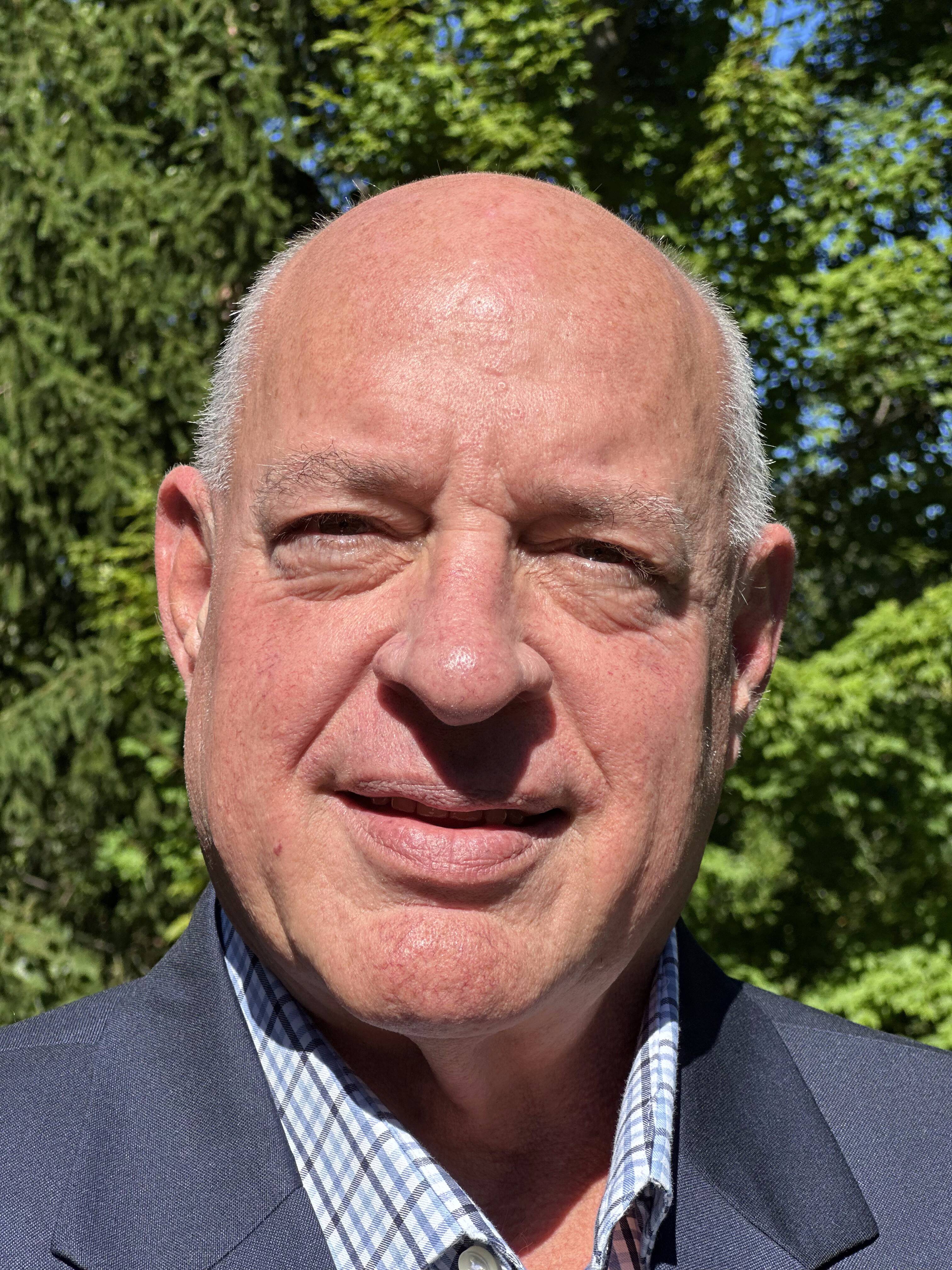
Kerr: That depends on the technology. Some raw materials can also be used across the product mix while others may be targeted to one or two product types. Since the programs are voluntary to join, each company joins whichever program they see value in. On the other hand, if the existing ones do not cover some specific need, a cluster of interested companies may be formed to detect the specifications, and a new supplier may be approached to establish a new Guild program. Ultimately, Guild develops new supplier programs wherever we identify sufficient raw material commonalities among members, leveraging our collective purchasing power.
What role do member meetings and educational programmes play in helping R&D, laboratory and business leaders make better decisions?
Farres: The level of the professionals, technical, purchasing and leaders is very high already and they do not need educational meetings – even if they do, we are not the ones that will provide it. Our role during meetings is to provide a safe environment to promote sharing ideas, clarity of the needs and challenges and alignment in resolving them, always strictly complying with the Anti-trust/competition laws.