News Legislation Production & Lab
“There is no one-size-fits-all solution” – Biocides in the area of conflict between regulation and product safety
Strict legal requirements and increasing demands on product safety pose major challenges for the development of effective biocide strategies. Nicolas Gallacier, Global Business Director at Lanxess, explains what is important when it comes to preserving water-based coatings – and why standard solutions are not enough.

What is the main driver of R&D in biocides?
Nicolas Gallacier: R&D in biocides is heavily influenced by regulatory pressure in Europe. While we are seeing some technically driven developments, such as slow-release technologies, the high costs and strict data requirements under the Biocidal Products Regulation (BPR) are limiting innovation. Constantly changing regulations make investments in new active substances risky and unpredictable. The repeatedly postponed Review Programme distorts competition, with some substances under evaluation for over 15 years and only a few companies bearing the financial burden. However, some companies in the paints industry are starting to align their purchasing strategies with R&D and regulatory goals, fostering partnerships with BPR Review Participants to support sustainable innovation.
How safely and reliably are water-based coatings currently protected against bacteria, fungi and yeasts?
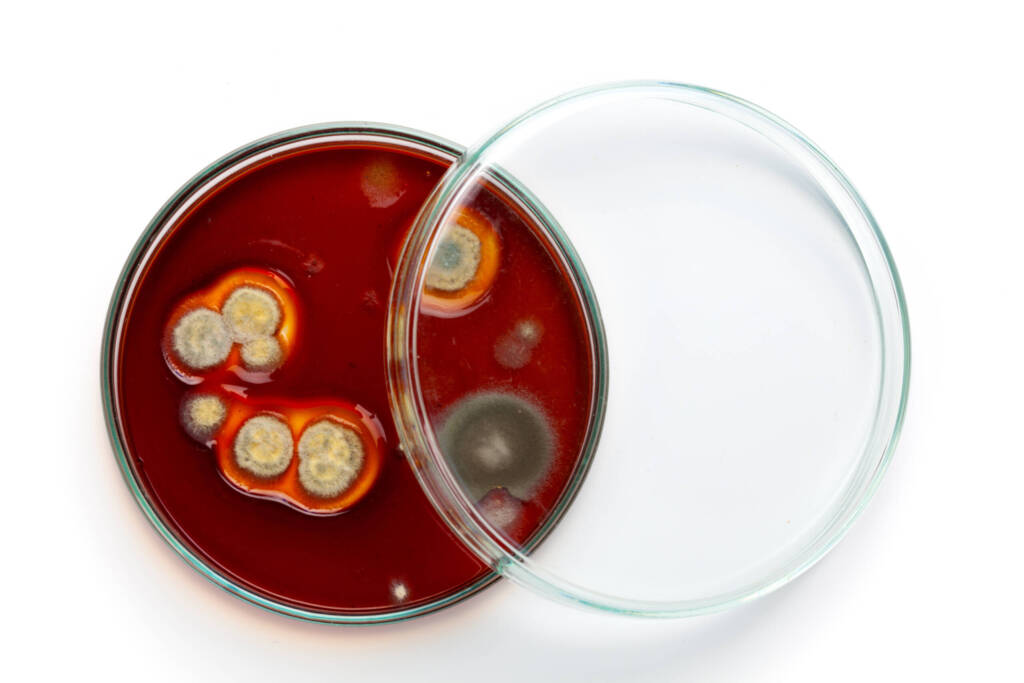
Gallacier: The reduced number of approved active substances and lower concentration limits are raising concerns about the overall effectiveness of preservation systems. Addressing this requires a holistic approach: What preservation systems are used by the emulsion suppliers? What is the quality of the water supply? What hygiene protocols are in place at the manufacturing site? There is no one-size-fits-all solution. A reliable preservation system must involve plant hygiene measures, continuous monitoring, efficient cleaning procedures, and early detection – from water tanks and raw materials through to blending and filling lines. At Lanxess, our “Control, Detect, Prevent” concept supports the coatings industry in maintaining high levels of protection against bacteria, mould, and yeasts throughout the production chain, all while navigating market and regulatory demands.
How can microbial resistance be addressed in the future?
Gallacier: With increasing restrictions on biocides, some end users are seeking alternatives or attempting to avoid preservatives altogether – for example, by using highly alkaline DIY paints or additives with no declared antimicrobial claims. These approaches raise concerns around both safe use and the long-term risk of microbial resistance. Especially in water-based industrial products, robust and sustainable preservation systems are essential. Only biocidal solutions that are evaluated and approved under the BPR offer proven efficacy against target organisms while ensuring safety for human health and the environment. Our proven strategy is to preserve raw materials and intermediates during production using our dedicated product range, followed by more gentle after-preservation to maintain protection in the final formulation.