News Coatings Technologies
Minimising rub-out in tinted interior wall paints
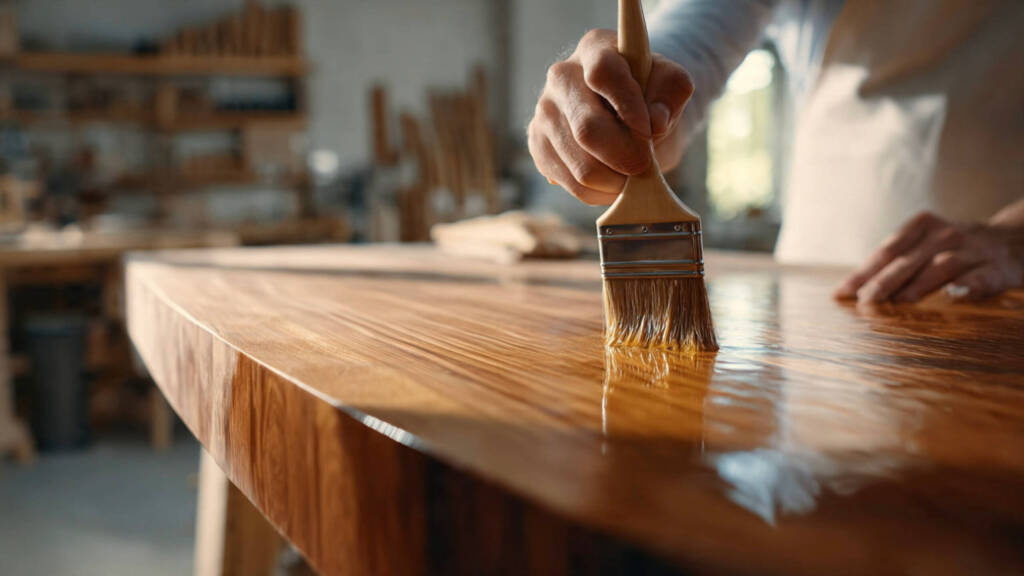
A recent Bachelor’s thesis focused on the development of a tintable interior wall paint with improved rub-out resistance. The study explored pigment stability and formulation strategies compatible with an existing tinting system.
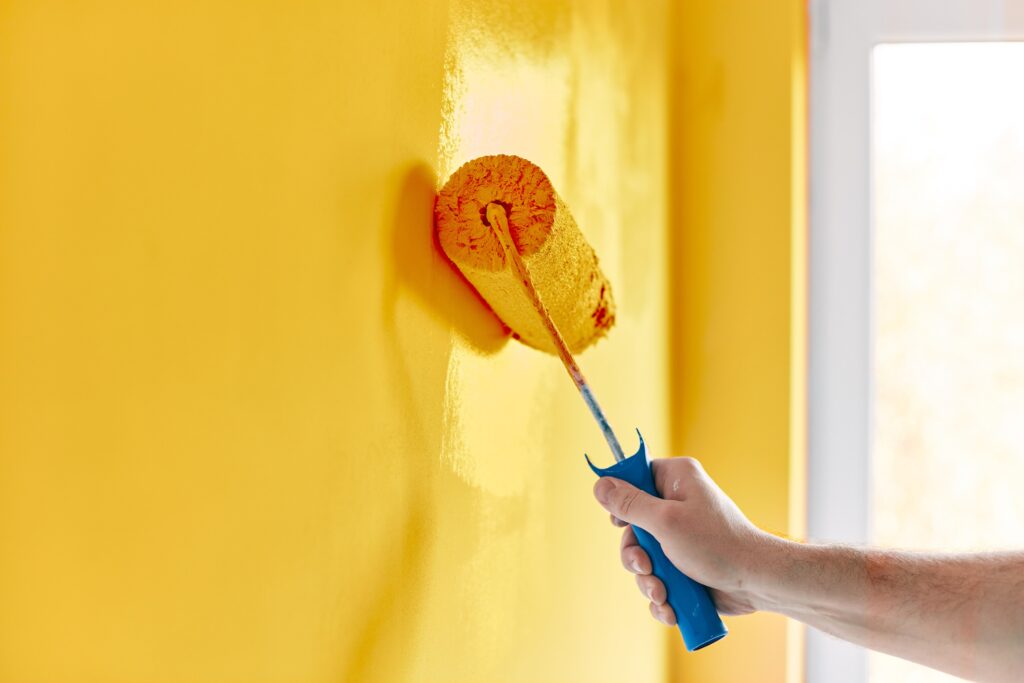
A Bachelor’s thesis has investigated the formulation of a tintable interior wall paint, aiming to develop a new base product for the tinting system of einzA Farben. Until now, the company’s product was only available as a non-tintable white paint. The goal was to create a tintable equivalent matching the white version in terms of price segment and wet abrasion resistance class.
The central focus of the study was the rub-out effect – a common defect in tinted coatings, where uneven pigmentation occurs when the surface is rubbed while wet. Two particularly challenging tinting pastes were examined: one based on an organic pigment, the other on an inorganic pigment.
Reading tip: Additives for water-borne coatings
Water-borne systems are the coatings of the future. The market is developing an insatiable appetite for ecologically sound coatings based on renewable raw materials. The demands on coating performance are at least as high as those on environmental compatibility. Additives help to protect the environment by effectively reducing the use of organic solvents. Many of today’s water-borne coatings could not be formulated without them. When incorporated into water-borne paints, coatings and printing inks, they enhance both the production process and the performance of the applied inks and coating materials.
“Additives for Water-borne Coatings” is a must read for formulators wishing to brush up on water-borne coating systems, as well as experts seeking to have detailed knowledge at their finger tips.
Influence of Binder and Additives
Beyond pigment selection, the research analysed the impact of various formulation components, including binders, dispersing agents, wetting agents and rheology additives. These ingredients significantly affect pigment distribution and, consequently, the paint’s resistance to rub-out.
The findings show that optimising the additive package can substantially improve rub-out performance. Based on the results, a new formulation was proposed that meets the company’s requirements for a tintable paint base while remaining compatible with the existing tinting system.
Source: Müller, Yannik: Vermeidung von Rub-Out in einer abgetönten Innenwandfarbe (Avoiding Rub-Out in a Tinted Interior Wall Paint), Bachelor’s thesis, 05 Dec 2024, Hochschule Niederrhein. Supervisor: Prof. Dr. Matthias Schumacher.