News Coatings Technologies
Lignin resin delivers flame retardancy without formaldehyde
Researchers have developed a phosphorus-free and formaldehyde-free lignin-derived phenolic resin that combines intrinsic flame retardancy, robust adhesion and effective fire protection when applied as a coating on wood. The material offers a sustainable alternative to conventional petroleum-based phenolic resins.
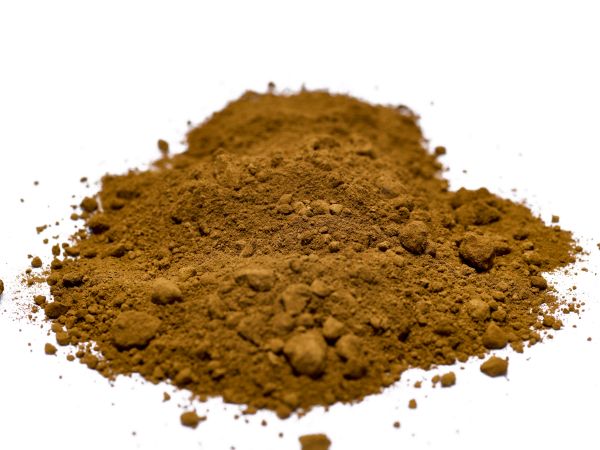
Conventional petroleum-derived phenolic resins face growing scrutiny due to sustainability concerns, inherent flammability and limited adhesion durability. In response, a recent study introduces a lignin-derived phenolic resin, designated SALG-PR, that is both phosphorus-free and formaldehyde-free. The material was synthesised through taurine grafting via Mannich chemistry combined with glyoxal-mediated cross-linking, delivering a fully bio-based network with multifunctional performance.
The resin exhibits notable intrinsic flame retardancy, reaching a UL-94 V-0 rating and a limiting oxygen index (LOI) of 62.4 %, values comparable to established petroleum-based resins and to previously reported bio-based flame-retardant materials. Direct exposure to a butane torch for 300 s did not lead to burn-through, and infrared thermography confirmed effective localisation of heat within the flame-impinged region, indicating a strong barrier effect.
Event Tip: EC Conference Frontiers in Wood Coatings
The EC Conference Frontiers in Wood Coatings, formerly the Wood Coatings Congress, has established itself as the international reference platform for scientific and technical exchange in the field of wood coatings. Over the course of two intensive days in Amsterdam, the conference will bring together stakeholders from across the value chain — from resin and additive producers to leading research institutes, coating manufacturers, and end-use industries — to discuss the latest advances in formulations, application processes, and sustainable solutions.
Adhesion performance and fire-safe wood coating
Beyond flame retardancy, SALG-PR displayed robust adhesion to both wood and aluminium substrates, with bond strengths of 3.78 MPa and 3.42 MPa, respectively. The adhesive performance remained stable after exposure to extreme temperatures, organic solvents and acidic or alkaline environments. The authors also report potential for underwater repair applications, further extending the material’s application scope.
When applied as a fire-safe coating on wood, SALG-PR increased the LOI of the treated substrate to 42.5 % and prevented burn-through during 300 s of direct torch exposure. Thermogravimetric analysis coupled with mass spectrometry (TG-MS) confirmed that SALG-PR releases only trace amounts of formaldehyde compared with commercial phenolic resins, addressing a persistent health and regulatory concern for indoor applications. The work outlines a lignin upcycling strategy for the development of high-performance bio-based adhesives, intrinsically flame-retardant materials and eco-friendly fire-safe coatings, with particular relevance for wood protection.
Source: Tan, W. et al., Sustainable lignin upcycling into formaldehyde-free bio-based phenolic networks: intrinsic flame retardancy, robust adhesion and fire-safe coating performance. Green Chem. 28, 13894–13912 (2026).