News Coatings Technologies
Hybrid zinc phosphate system enhances active protection in water-borne epoxy coatings
A novel hybrid corrosion inhibitive system combining zinc phosphate and pH-responsive BTA-loaded silica microcontainers significantly improves the performance and self-healing capabilities of water-borne epoxy coatings, with promising applications in marine environments.
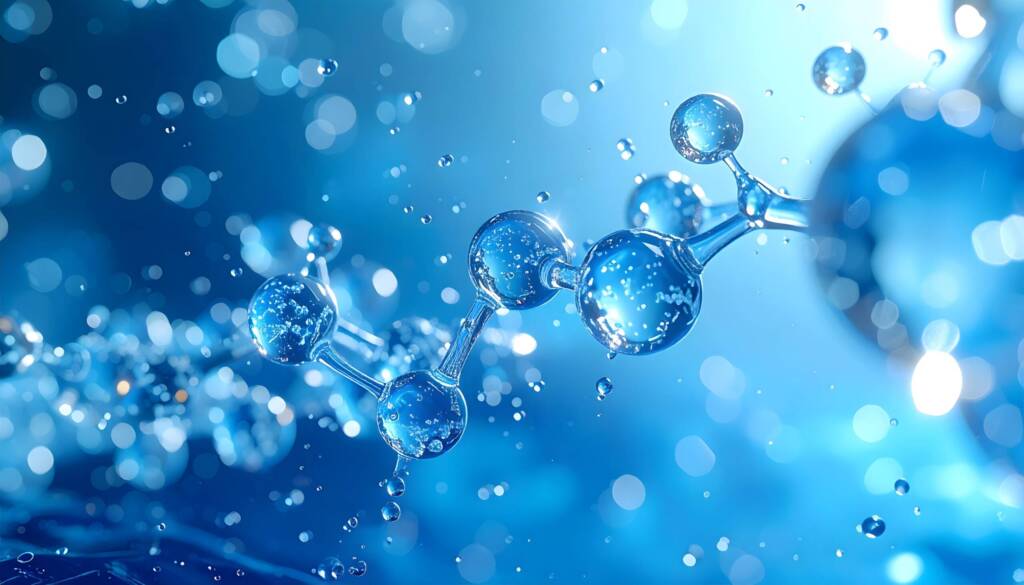
Water-borne epoxy coatings face challenges in providing effective corrosion protection due to the hydrophilic nature of their resins and the limited efficiency of traditional zinc phosphate (ZnP) inhibitors. This study demonstrates how substituting ZnP with chitosan-capped benzotriazole-loaded mesoporous silica microcontainers (CTS@BTA@MSP) enhances the active protection properties of such coatings. Using a sol-gel encapsulation process, the researchers developed two hybrid systems with active pigment concentrations of 0.5 vol% and 1 vol%, combined at ratios of 1:1, 1:2, and 2:1 with barium sulphate.
Electrochemical impedance spectroscopy (EIS) revealed superior performance for the Z1S2 coating system with 0.5 vol% active pigment, showing an impedance value of 2.03 x 10⁷ Ω cm² after 20 days of immersion, compared to 3.13 x 10⁶ Ω cm² for the reference sample. Salt spray tests and pH-responsive assessments supported this finding, with the hybrid coating exhibiting enhanced self-healing properties, particularly at pH 11.
Event Tip: Water-borne High Performance Coatings
Explore the advantages and application of water-borne coatings known for their high performance across various industries. This e-learning tutorial will delve into topics including formulation innovations, VOC regulations, durability testing, and emerging trends in water-borne technology. Join in and stay ahead in the evolution of sustainable coating solutions.
Improved performance for marine applications
Further analysis using FTIR and SEM/EDX revealed the formation of a complex inhibitive film on steel surfaces, consisting of adsorbed BTA films, phosphate layers, chelates from BTA-Zn/Fe complexes, and zinc oxide/hydroxide phases. The synergistic combination of ZnP and CTS@BTA@MSP at a 1:2 ratio proved effective in improving both corrosion resistance and self-healing capabilities. With its exceptional performance under neutral and alkaline conditions, the hybrid coating system is particularly suited for applications in marine environments.
Quelle: Udoh, I. & Dam-Johansen, K., Hybrid Zn₃(PO₄)₂/BTA@SiO₂ inhibitive system for synergistic enhancement of active protection in waterborne epoxy coating. Progress in Organic Coatings, 109904 (2025).