News Coatings Technologies
Amphiphilic materials advance sustainable anti-fouling and anti-corrosion coatings
A new review highlights the latest developments in environmentally friendly amphiphilic coatings designed to prevent fouling and combat corrosion – a safer alternative to toxic tributyltin-based systems now largely banned.
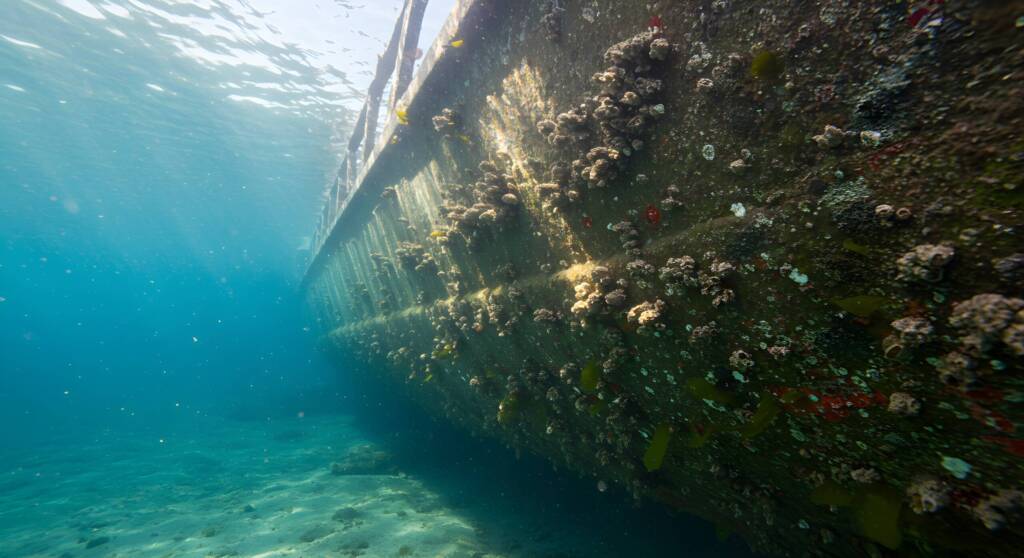
Biofouling – the accumulation of microorganisms on submerged surfaces – presents major challenges in marine and industrial settings. Conventional anti-fouling coatings often contained toxic substances such as tributyltin, which have been progressively banned worldwide. Researchers are therefore focusing on polymer-based, eco-friendly alternatives that are cost-effective, biocompatible and straightforward to produce.
This review article explores advances in amphiphilic coatings, which feature both hydrophilic and hydrophobic domains to hinder biofilm formation. It examines silicone-, fluoropolymer-, polyethylene glycol (PEG)- and zwitterionic-based systems, along with synthetic strategies and macromolecular design principles that enhance anti-fouling performance.
Event tip: Modern Functional Coatings – Self-Healing, Anti-Ice and Beyond
On 29 October 2025, the European Coatings seminar Modern Functional Coatings: Self-Healing, Anti-Ice and Beyond will take place online. The event explores advanced coating functionalities that go beyond corrosion protection and aesthetics – including anti-ice, anti-graffiti, self-healing and sharkskin effects. Participants will learn which of these functionalities are already market-ready, how they work, and what role nanotechnology plays. Topics include suitable coating systems, the control of specific effects, and the potential to combine multiple functionalities in a single formulation. If you’re looking to add innovative performance features to your coating systems, this online seminar offers valuable practical insights.
Self-healing and precise molecular engineering as key factors
Particular attention is given to the self-healing capability of amphiphilic coatings, which helps extend service life and maintain anti-fouling efficiency. At the same time, careful macromolecular engineering is required to avoid unwanted microphase separation that could impair coating performance.
The authors emphasise that well-designed molecular architectures and surface topographies are crucial for creating effective, sustainable anti-fouling and anti-corrosion coatings suitable for diverse applications.
Source: Muadtrap, M., Thiramanas, R. & Crespy, D., Amphiphilic materials for advanced anti-fouling and anti-corrosion coatings. Progress in Organic Coatings, 207, 109391 (2025).