News Markets & Companies
Guild CPO interview: Purchasing power in a changing market
Raw-material volatility, supply availability and regional market differences are putting independent coatings manufacturers under sustained pressure. Armodios Yannidis, Guild EMEA Chairman; Ramon Farres, EMEA Director; and Dan Kerr, Executive Director, explain how Guild CPO combines collective purchasing power with supplier intelligence, alternative sourcing, technical exchange and a flexible regional approach – while leaving individual members in control of their supplier relationships. By Damir Gagro.

Guild CPO was founded to give independent coatings manufacturers greater purchasing power. How would you describe the organization’s relevance in today’s volatile raw materials market?
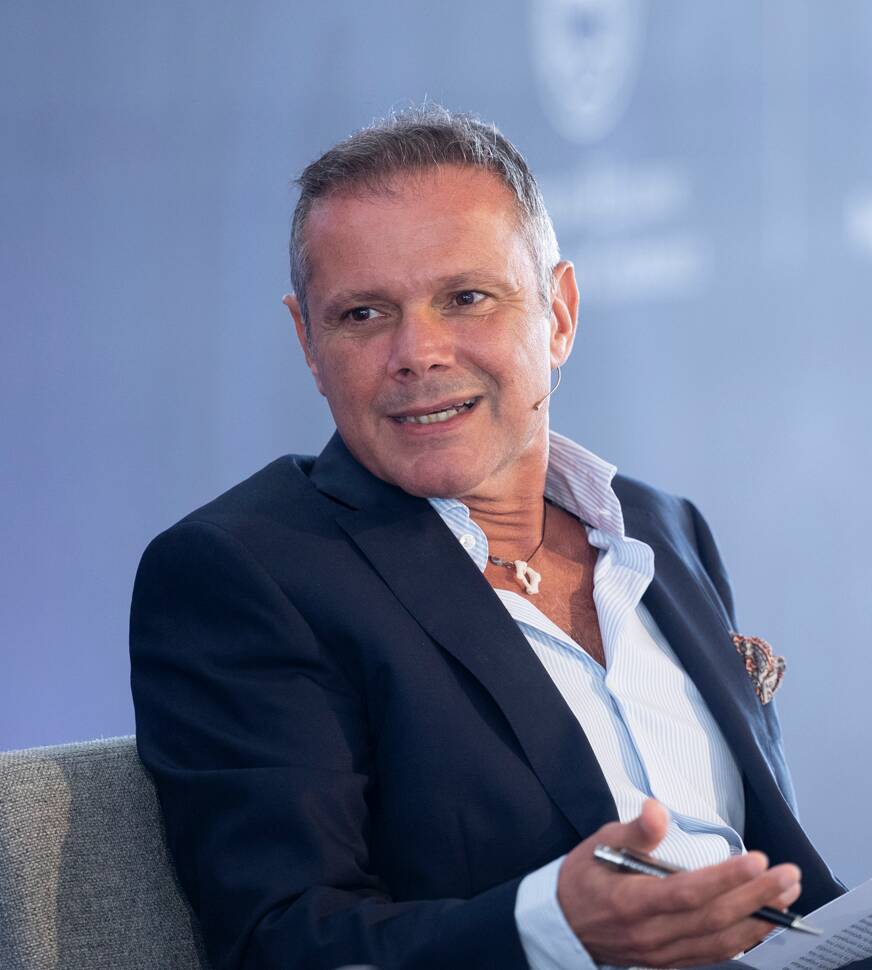
Armodios Yannidis: Higher than ever. In times of crises humans tend to collaborate in teams to confront the challenge. In the current permacrisis we are facing, the value of collaboration and synergies is multiplied. This explains the fact that our membership is higher than ever, exceeding 100 paint and coatings manufacturers, from over 25 different countries from EUR 10 million turnover to more than EUR 2 billion.
Which challenges are currently most prominent in your conversations with members: price volatility, raw-material availability, regulation, logistics or sustainability?
Dan Kerr: Being a CPO, a central purchasing organization, pricing of raw materials is in the center of our scope. Volatility is therefore seen under two lenses: reduction of its effects and benchmarking: by having strong long-term commitment with suppliers, we manage to reduce price fluctuations whereas we make sure that the prices are competitive and we do not lag in claiming opportunities. Availability is of equal concern, in some cases even more important than pricing and these two challenges are at the forefront especially this year. Regulation, logistics and sustainability are very important for our group also; however, the contribution of the CPO is towards guiding or supporting than taking the lead on behalf of the members.
Where can Guild CPO create value beyond negotiating prices – for example through supplier intelligence, risk mitigation, technical exchange or market transparency?
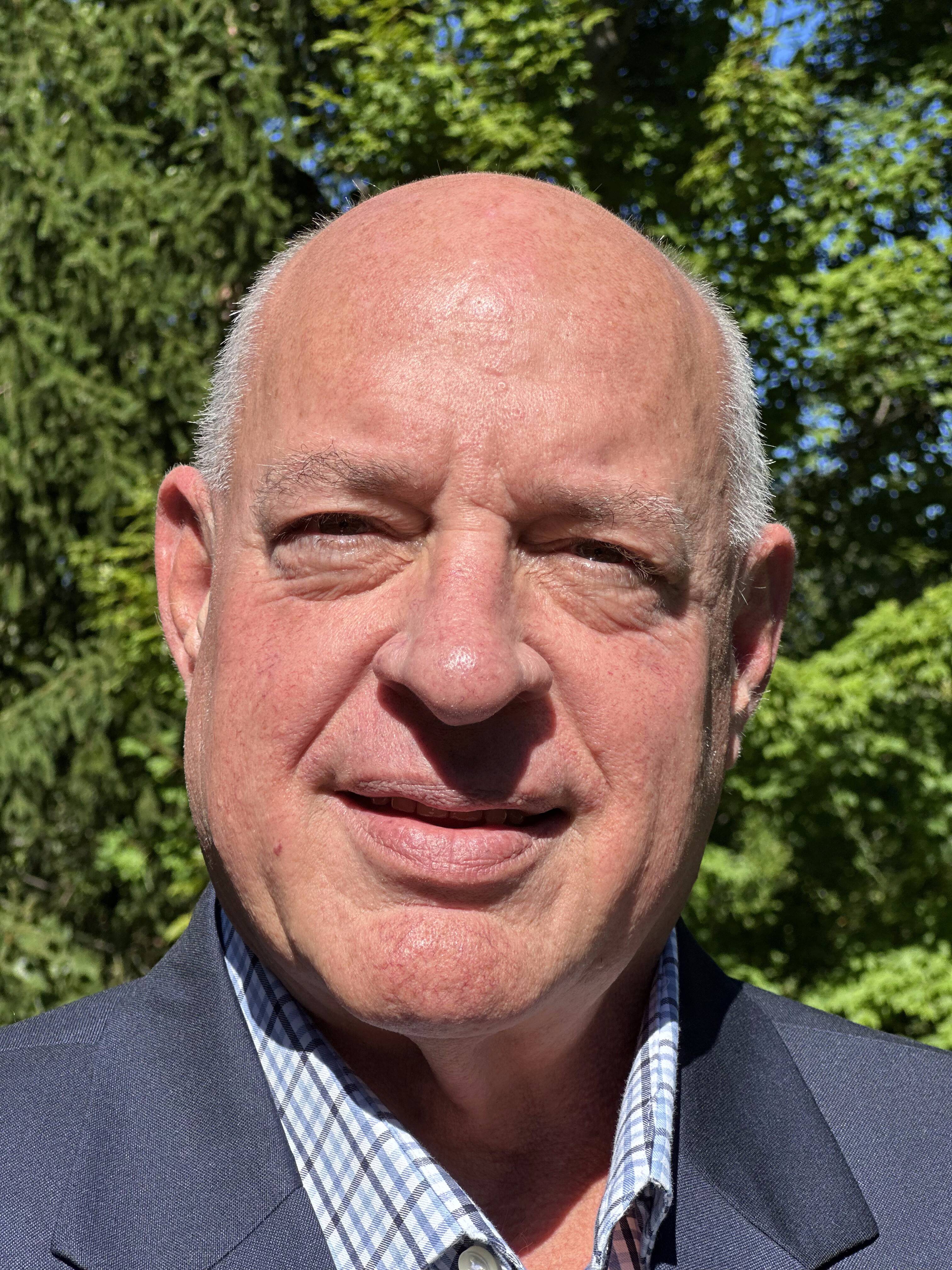
Ramon Farres: Negotiating prices is our predominant role indeed. However, the question underlines all our additional value drivers that altogether may be of higher value than prices per se. The intelligence we gather is unparalleled while the central office is gathering multiple analyses and market reports – literally there is more information than one needs! Having the information of course reduces risk so mitigation is also very important because with more than 100 “lookouts” globally it is very difficult to miss the iceberg. Moreover, when the inevitable hardship strikes, there may be some fellow member around the corner willing to help. We have seen members shipping or re-allocating raw materials to each other in times of shortage, with Guild facilitating that exchange thanks to the information on consumptions, toll manufacturing to support after disaster or providing guidance to navigate a crisis. The technical exchange is critical while our technical director’s group has a scope to facilitate alternative RM’s approval.
Yannidis: On top of all the above, the most valuable benefit members enjoy in my opinion as the CEO of a member company, Vitex, is networking. Each company is represented by their purchasers and the technical directors, forming the respective communities but the CEOs are also very active having their own group. Interactions are very interesting, friendly and warm, creating an environment that further collaborations arise. Members are encouraged to host factory tours when meetings are organized in cities near them, strengthening ties and empowering synergies – Vitex has hosted three times. Finally, the annual CEO dinner we have in Europe is the pinnacle event of our relationships with the other leaders.
How does the Guild balance global purchasing opportunities with the need for regional supply security, shorter supply chains and local technical support?
Yannidis: The Guild CPO is a US incorporated body led by “our guru” Dan Kerr. Its headquarters are in Ohio, and the majority of the members are active in North America. However, membership in Europe has been rapidly growing and we are now 26 Companies. A European office has been founded since 2018, led by Ramon Farres, a very competent and knowledgeable leader of the paint industry. We are therefore able to leverage our global footprint while maintaining autonomy and regional service for our members.
How do you work with suppliers when a member needs an alternative raw material, an additional source of supply or support with a formulation challenge?
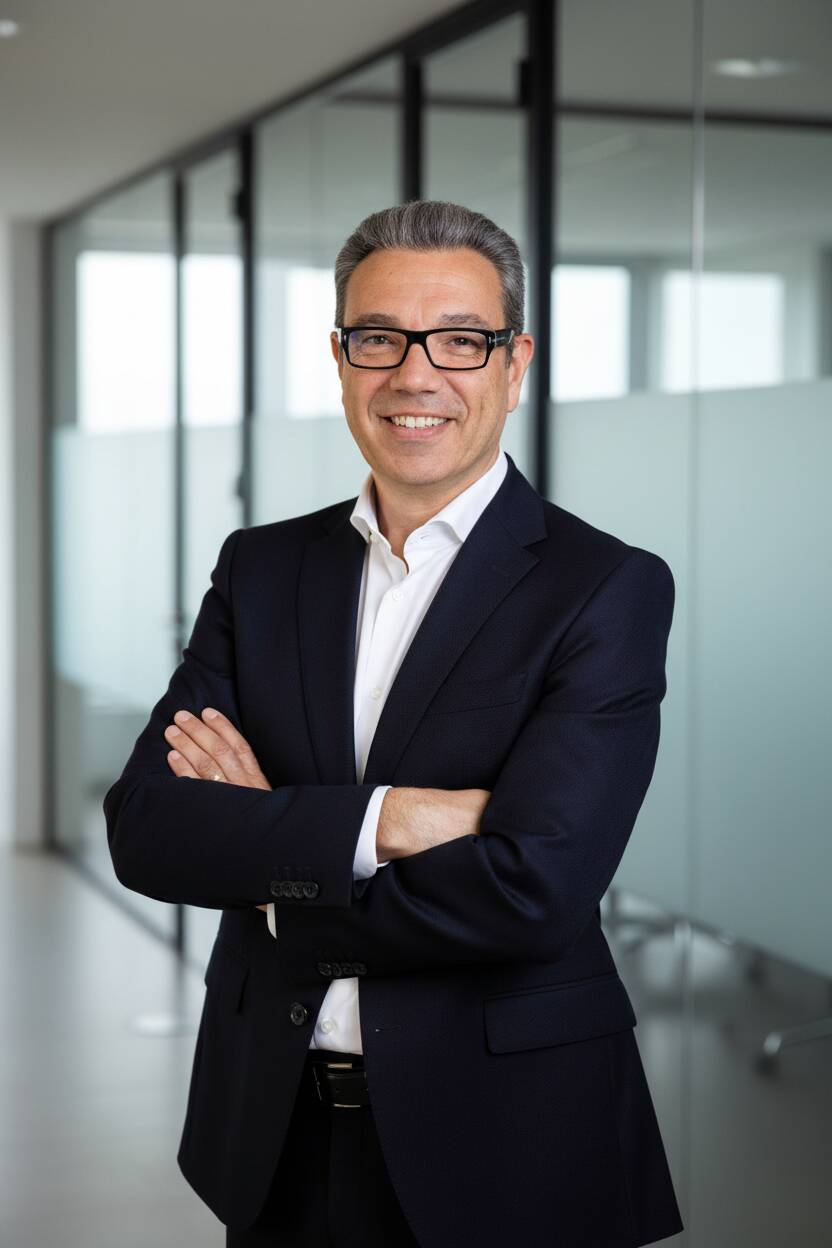
Farres: We do not interfere in the technology discussion any member may have with a supplier. since we are not entitled to have formulation and know how details. Members can participate in existing programs with approved suppliers. Guild also establishes alternative sourcing programs for certain strategic raw materials to mitigate the risks associated with relying on a single supplier.
Kerr: We also have a technical forum that facilitates the exchange of information and experience among members. In addition, both Guild CPO and many of its members are members of CRGI, an independent laboratory that we use for raw material screening and benchmarking among other services.
How can smaller and medium-sized coatings manufacturers benefit from the Guild’s collective scale without losing flexibility in their individual supplier relationships?
Farres: All our programs, with every supplier, are voluntarily joined by members. Guild CPO is very flexible in working with both its members and supplier community, embracing regional particularities and adopting a tailored, win-win approach.